


Listen to the article
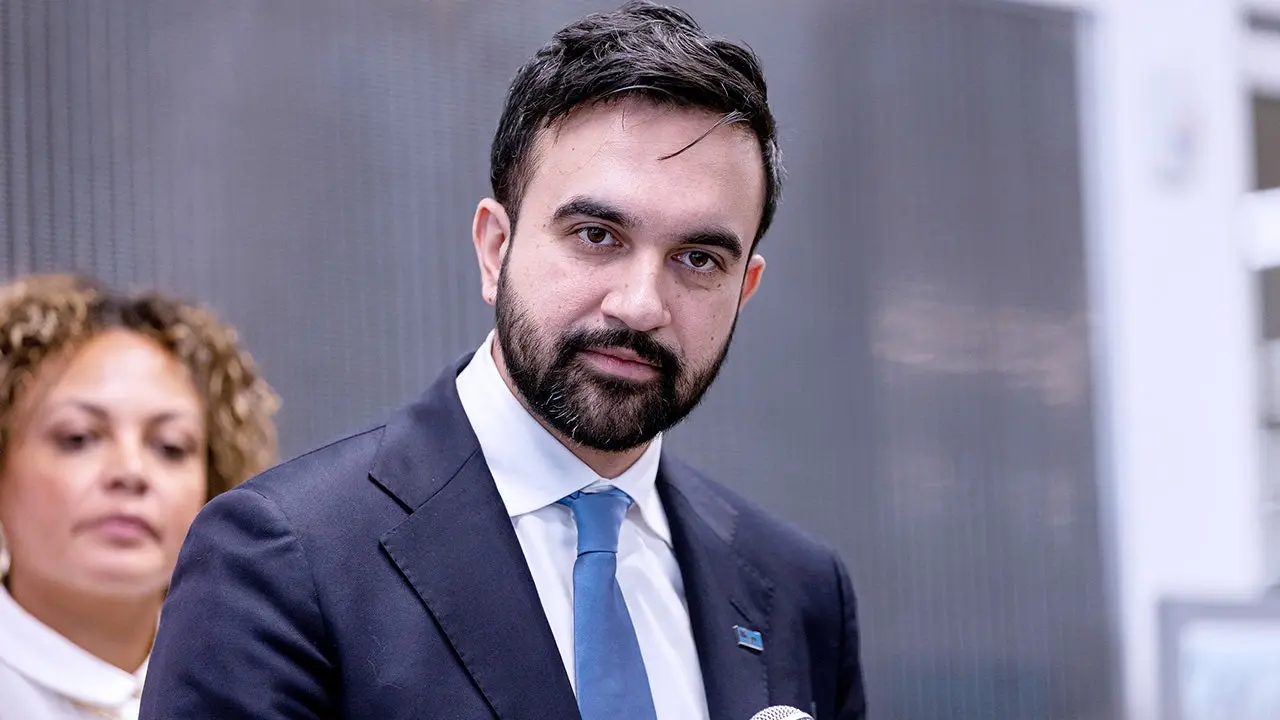
New York City Mayor Zohran Mamdani has ignited controversy by using his first veto to block a bipartisan bill designed to combat antisemitism through expanded security measures at educational facilities.
The legislation, known as Int. 175-B, would have required New York law enforcement to develop a comprehensive plan to protect educational facilities from physical obstruction, injury, intimidation, and interference while still preserving First Amendment rights. The bill passed the City Council by a 30-19 vote last month.
In justifying his veto, Mamdani expressed concern about the legislation’s potential impact on legitimate protest activities. “This could impact workers protesting ICE, or college students demanding their school divest from fossil fuels or demonstrating in support of Palestinian rights,” he said in a Friday statement.
The mayor further explained his decision by pointing to the bill’s broad definition of educational institutions. “The problem is how widely this bill defines an educational institution and the constitutional concerns it raises regarding New Yorkers’ fundamental right to protest. As the bill is written, everywhere from universities to museums to teaching hospitals could face restrictions.”
The veto has drawn sharp criticism, particularly from former Democratic Governor Andrew Cuomo, who ran as an independent against Mamdani in the recent mayoral race. Cuomo accused Mamdani of choosing “the whims of his radical, extreme-left DSA base over the safety of students and Jewish New Yorkers at a time of rising antisemitism.”
Cuomo added, “Instead of governing for all NYers, Mamdani has repealed the very definition of antisemitism from the city’s books, changed how antisemitic crimes are counted and now vetoed these commonsense security measures when they are needed most.”
Julie Menin, speaker of the New York City Council, had framed the bill as a crucial component of the Council’s Five-Point Action Plan to Combat Antisemitism. According to NYPD statistics cited by Menin, antisemitic incidents accounted for 57% of reported hate crimes in 2025, despite Jewish residents making up only approximately 10% of New York City’s population.
The Simon Wiesenthal Center expressed disappointment with the veto, stating: “The right to protest and the right to an education can and must coexist. We urge the City Council to override this veto and reaffirm a basic principle: protecting students is not politics; it is a civic responsibility.”
Critics have noted that Mamdani’s veto seems inconsistent with his approval of a similar bill that applied to religious sites. Political commentator Ari Hoffman highlighted this apparent contradiction, writing that the mayor “vetoed a bill for buffer zones around schools” while approving similar protections for religious institutions.
The controversial decision comes amid heightened tensions and concerns about rising antisemitism in New York City. The NYPD data indicating that Jewish New Yorkers were targets of hate crimes more than all other groups combined has amplified calls for stronger protective measures at educational institutions, which have increasingly become sites of protests and confrontations.
Under New York City’s charter, the Council can override a mayoral veto with a two-thirds vote, which would require 33 of the chamber’s 50 members. With 30 legislators already supporting the bill, only three additional votes would be needed to implement the measure despite Mamdani’s objection.
The veto represents an early defining moment in Mamdani’s mayorship, signaling his policy priorities and governance approach while spotlighting the ongoing challenges of balancing security concerns with protest rights in one of America’s most diverse cities. As antisemitic incidents continue to rise nationally, the debate over appropriate protective measures for vulnerable communities remains contentious in municipal politics.
Fact Checker
Verify the accuracy of this article using The Disinformation Commission analysis and real-time sources.

16 Comments
The Chancellor’s decision to veto the bill highlights the difficulty of finding the right balance between security and civil liberties. It will be interesting to see how the debate around this issue continues to evolve.
The Chancellor’s veto highlights the delicate nature of this issue and the need to carefully weigh the various interests at play. I hope the stakeholders can come together to find a solution that works for everyone.
While the Chancellor’s veto has drawn criticism, his explanation suggests an attempt to carefully consider the broader implications of the legislation. Balancing security and free expression is a delicate challenge.
The Chancellor’s veto raises important questions about the scope of the legislation and its potential impact on legitimate protest activities. Balancing these concerns with the need for security is a significant challenge.
This is a complex and contentious issue, and the Chancellor’s veto highlights the difficulty of finding the right balance. I’m interested to see how the debate around this issue evolves and whether a compromise can be reached.
The Chancellor’s explanation for the veto raises valid concerns about the potential impact on legitimate protest activities. Navigating the line between security and free expression is no easy task.
I agree, this is a complex issue without a clear-cut solution. It will be important for all stakeholders to engage in constructive dialogue to find a balanced approach that addresses security needs while protecting fundamental rights.
This is a complex and contentious issue. Chancellor Mamdani’s veto seems to balance concerns over security and free expression. It will be interesting to see how the debate evolves around balancing these important priorities.
I can understand the Chancellor’s perspective, but protecting educational institutions from threats and interference is also crucial. This will likely require a nuanced approach to address all stakeholder concerns.
The concerns raised by the Chancellor about the broad definition of educational institutions and the potential impact on legitimate protests are valid points to consider. Striking the right balance will be key.
It’s a complex situation with valid arguments on both sides. I’m curious to see how the discussion evolves and whether a compromise can be reached that addresses security needs while preserving free expression.
This is a challenging situation without easy answers. The Chancellor’s decision to veto the bill suggests an attempt to balance important priorities, even if it’s drawn criticism. I’m interested to see how the debate continues.
This is a complex and sensitive issue with valid arguments on both sides. The Chancellor’s veto seems to be an attempt to strike a careful balance, even if it has drawn criticism. I’m curious to see how the discussion unfolds.
I agree, the Chancellor’s reasoning suggests a thoughtful approach to a difficult situation. Navigating the competing priorities of security and free expression is no easy task, and I hope the stakeholders can find a workable solution.
It’s good to see the Chancellor taking a thoughtful approach and considering the broader implications of this legislation. Preserving the right to protest while ensuring safety is not an easy balance to strike.
I agree, this is a delicate issue that requires careful consideration. The Chancellor’s explanation for the veto suggests an attempt to find a middle ground, which may be the best path forward.