


Listen to the article
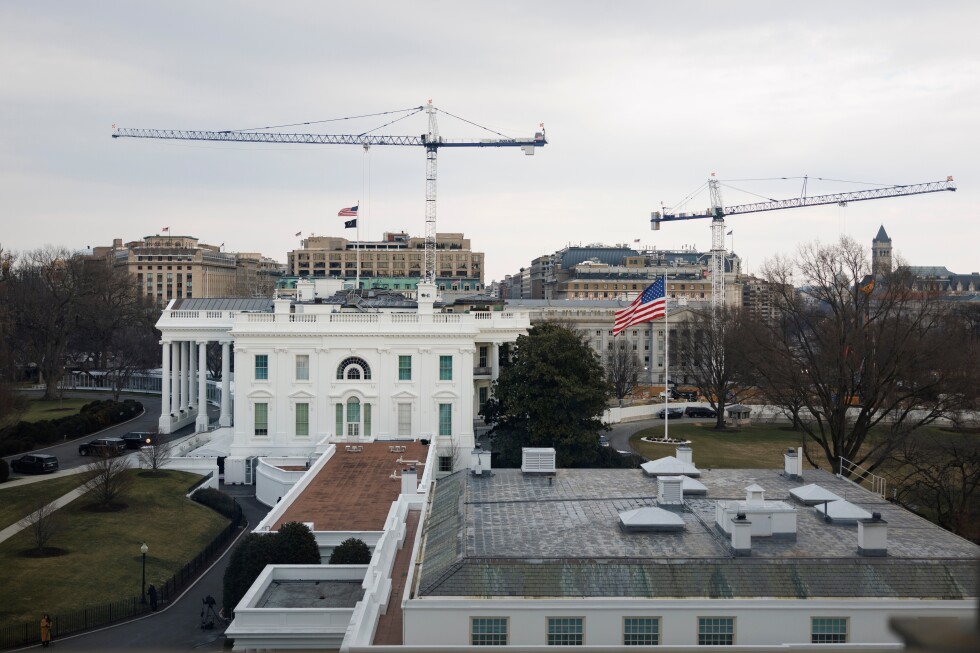
A prominent architect is calling for President Donald Trump’s massive White House ballroom project to be significantly downsized, warning that the current plans could permanently damage the historical integrity of America’s most recognizable residence.
David Scott Parker, a Fellow of the American Institute of Architects and member of the National Trust for Historic Preservation board, expressed serious concerns about the 90,000-square-foot expansion as the National Capital Planning Commission prepares to vote Thursday on whether to approve the controversial project.
“Everything here feels inflated,” Parker told The Associated Press. “The net effect of this is to adversely impact what is the most important historic — the most identifiable historic — house in the entire United States. This is permanent, what it will do to the White House.”
Parker, who has more than 35 years of experience specializing in residential design and historic preservation, analyzed the renderings and documentation submitted to the U.S. Commission of Fine Arts, which already approved the project in February.
The architect’s assessment identifies several problematic aspects of the current design. The ballroom itself, at approximately 22,000 square feet, is dramatically oversized for its stated purpose of accommodating 1,000 guests. Using industry standards of 15 square feet per person, Parker calculates the ballroom could be 47% smaller—closer to 15,000 square feet—and still fulfill its intended function.
Additionally, Parker questioned the necessity of the planned 4,000-square-foot, south-facing porch and staircase, noting they don’t provide guests direct interior access and may not comply with the Americans with Disabilities Act. The White House responded Wednesday that the ballroom will meet federal accessibility requirements but did not address Parker’s broader criticisms.
The scale of the project has raised eyebrows from the beginning. At nearly twice the size of the 55,000-square-foot White House itself, critics argue the addition would overwhelm the mansion and disrupt the complex’s carefully designed symmetry.
Construction has already begun despite ongoing controversy. Trump announced the ballroom addition last summer, citing the need for a permanent entertainment space instead of temporary lawn tents. In October, the East Wing was demolished with minimal advance notice, and underground construction has been proceeding since then. White House officials have indicated above-ground construction won’t begin until April at the earliest.
Perhaps most concerning to preservationists is Parker’s assertion that the addition would interfere with the historic sightline along Pennsylvania Avenue between the White House and the Capitol—a deliberate design element created by Pierre L’Enfant at George Washington’s request when planning the nation’s capital.
“It’s hard to fathom that… one addition could have so many adverse impacts, symbolically, architecturally and historically,” Parker said. “This literally violates the Founding Fathers’ intentions.”
The National Trust for Historic Preservation previously sought legal intervention, asking a federal judge to halt construction until the White House submitted plans to both federal panels and to Congress for approval and allowed for public comment. U.S. District Judge Richard Leon rejected the request last week, though the Trust has indicated it plans to file an amended lawsuit.
Thursday’s National Capital Planning Commission meeting, scheduled to be conducted online, has already generated significant public interest. Parker is among more than 100 registered speakers, and thousands of comments—many opposing the project—have been submitted in advance.
The commission’s vote represents a critical juncture for a project that has raised fundamental questions about presidential power, historic preservation, and the stewardship of America’s most iconic government building.
Fact Checker
Verify the accuracy of this article using The Disinformation Commission analysis and real-time sources.

13 Comments
While the White House could likely use some updates, the architect’s warnings about the ballroom project’s potential to damage the building’s historic integrity are concerning. Moderation and sensitivity are key when making changes to such an important national landmark.
As an iconic American landmark, the White House deserves to be treated with the utmost care and respect. The architect’s concerns about the ballroom project’s potential impact on the building’s historic character seem well-founded.
The White House is a living museum that represents the evolution of American democracy. Any proposed changes, no matter how well-intentioned, should be evaluated through the lens of preserving its architectural and historical significance.
I agree completely. The White House’s legacy transcends any single administration, so maintaining its integrity should be the top priority.
Architects with experience in historic preservation are right to voice their worries about the proposed White House ballroom expansion. A sensitive, measured approach is needed to ensure any changes are in keeping with the building’s iconic status.
The White House is an iconic historic building that should be preserved. Downsizing the proposed ballroom expansion seems prudent to avoid permanently damaging its architectural integrity.
I agree – the architects’ concerns about the scale of the project are valid and should be carefully considered before approving any major changes.
The White House is a national treasure that belongs to all Americans, not just the current occupants. I hope the planning commission considers the architect’s perspective and finds a way to modernize the building without compromising its historic integrity.
Well said. Preserving the White House’s architectural heritage should be the driving force behind any renovations, not expanding its size for political purposes.
A 90,000-square-foot ballroom addition sounds excessively large for the White House. Architectural preservation experts are right to voice their reservations about the potential impact on the building’s historic character.
Absolutely. The White House belongs to the American people, not just the current administration. Any renovations should be done thoughtfully to protect its legacy.
The White House is a symbol of American democracy, so its architectural preservation is crucial. I hope the National Capital Planning Commission carefully weighs the expert assessments before approving any major expansions.
Agreed. Maintaining the White House’s historical character should be the top priority, even as the building’s needs evolve over time.