


Listen to the article
Trump’s Fed Chair Nominee Kevin Warsh Sparks Debate Over Central Bank Independence
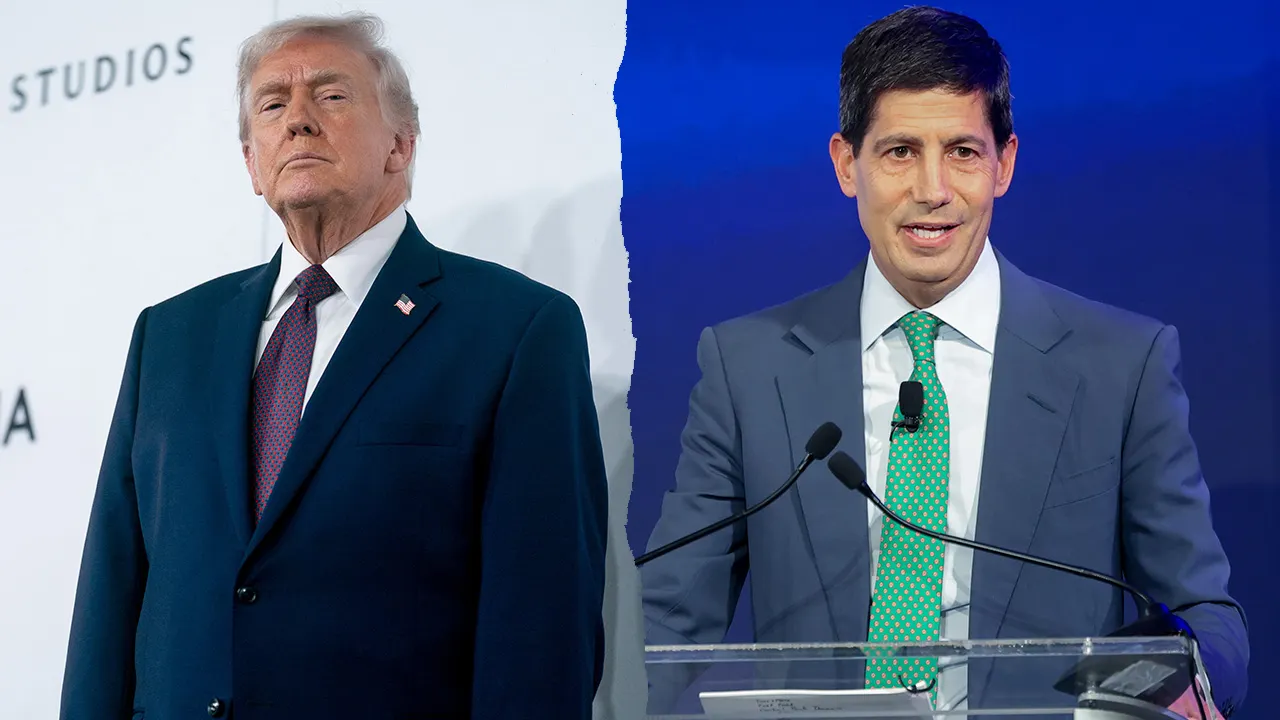
President Donald Trump formally nominated former Federal Reserve Governor Kevin Warsh to chair the Federal Reserve on Friday, igniting immediate partisan reactions over the nominee’s qualifications and concerns about the central bank’s independence.
Republicans praised Warsh’s extensive experience while Democrats questioned whether he would maintain the Fed’s autonomy from political pressure. The nomination comes amid tensions between Trump and current Fed Chair Jerome Powell, whose term ends May 15.
“The Federal Reserve’s decisions touch every American household, from mortgage rates to retirement savings, and President Trump has been clear that bringing accountability and credibility to the Federal Reserve is a priority. His nomination of Kevin Warsh reflects that focus,” said Sen. Tim Scott, R-S.C., chairman of the Senate Banking, Housing and Urban Affairs Committee.
Senator Elizabeth Warren, D-Mass., the ranking member on the same committee, expressed deep concerns about the nomination. “Donald Trump said anybody who disagrees with him will never be Fed chairman. Former Fed governor Kevin Warsh has apparently passed the loyalty test,” Warren said, suggesting the nominee was selected for his willingness to align with Trump’s economic policies.
The Federal Reserve, under its chair’s leadership, governs U.S. monetary policy by controlling the nation’s money supply and credit conditions to combat inflation while maximizing employment. The central bank traditionally operates independently from the executive branch, answering to Congress according to its charter.
Warsh brings significant experience to the nomination. After beginning his career in the private sector, he joined the Bush administration in 2002 as a special assistant to the president. In 2006, he was nominated to the Fed’s board of governors, becoming the youngest appointee in the board’s history at just 35 years old. He served in that position until 2011.
This isn’t the first time Trump considered Warsh for a high-level position. The president previously considered him for Fed chair in 2017 before ultimately selecting Powell. Warsh was also reportedly in the running for Treasury Secretary following Trump’s 2024 election victory.
Several prominent Republicans have already voiced their support for the nomination. Sen. John Cornyn, R-Texas, a member of the Senate Committee on Finance, praised Warsh’s qualifications. “With decades of experience in finance and economics spanning government and the private sector, Kevin Warsh is eminently qualified to serve as chairman of the Federal Reserve,” Cornyn stated.
In the House, Rep. French Hill, R-Ark., chairman of the House Financial Services Committee, also endorsed the nomination, highlighting Warsh’s “commitment to fighting inflation and to keeping prices in check for American families.”
However, the confirmation process faces potential obstacles. Sen. Thom Tillis, R-N.C., has threatened to block the nomination unless the Department of Justice ends its ongoing investigation into Powell. The current Fed chair is under investigation for allegedly misleading senators under oath regarding a billion-dollar renovation of the Fed’s headquarters.
Critics from both parties view this investigation as politically motivated—a tool Trump is using to pressure Powell into cutting interest rates, a move Powell has resisted to maintain the Fed’s independence. Warren shares this perspective, calling the nomination “the latest step in Trump’s attempt to seize control of the Fed.”
“This nomination follows the Trump administration’s weaponization of the Department of Justice to open criminal investigations into Fed Chair Jerome Powell,” Warren added. “No Republican purporting to care about Fed independence should agree to move forward with this nomination until Trump drops his witch hunt.”
The Senate has not yet announced when Warsh’s confirmation hearings will begin, but Sen. Scott indicated he looks forward to “leading a thoughtful, timely confirmation process that carefully examines his vision for focusing the Federal Reserve on its core mission.”
The outcome of this nomination battle will have significant implications for U.S. monetary policy and the relationship between the White House and the Federal Reserve for years to come.
Fact Checker
Verify the accuracy of this article using The Disinformation Commission analysis and real-time sources.

9 Comments
Curious to see how Warsh’s nomination plays out. The Fed chair must be able to make tough decisions without caving to political pressure. Senators will need to probe this aspect carefully.
Maintaining the Federal Reserve’s independence is crucial. While Warsh’s background is relevant, senators should closely examine his commitment to upholding the central bank’s autonomy.
The debate over Fed independence is an important one. Warsh’s nomination raises valid concerns that senators should address to ensure the central bank’s credibility and effectiveness.
Exactly. The Fed chair must be able to make impartial decisions in the best interest of the economy, not to serve a political agenda.
This debate highlights the delicate balance between political accountability and the Fed’s role as an independent arbiter of monetary policy. Warsh’s nomination will be closely watched.
Absolutely. The Fed chair must be able to withstand political interference and make decisions based solely on economic factors, not partisan interests.
Interesting nomination, but concerns about Fed independence are valid. Warsh’s prior experience is relevant, but he’ll need to demonstrate his ability to make decisions free from political pressure.
Agreed, the Fed chair must be able to act objectively and not bend to the whims of the executive branch. Maintaining the central bank’s autonomy is crucial.
The Fed’s independence is essential for effective policymaking. While Warsh’s experience is relevant, senators should thoroughly examine his commitment to maintaining the central bank’s autonomy.