


Listen to the article
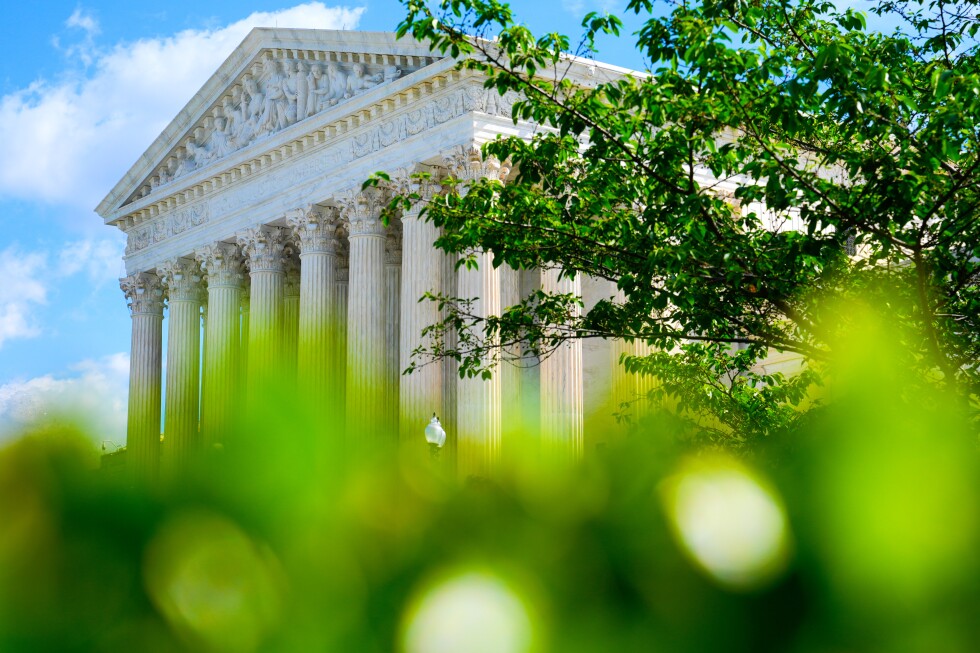
The Supreme Court agreed Monday to hear a case involving Catholic preschools that claim Colorado violated their religious rights by excluding them from a state-funded program due to their admission policies regarding LGBTQ+ families and children.
St. Mary Catholic Parish, backed by the Republican Trump administration, will present arguments that it is unconstitutional for the state to bar them from participating in a taxpayer-funded free preschool program based on their faith-based enrollment restrictions.
Colorado officials maintain that religious schools are welcome to participate in the program but must adhere to state nondiscrimination laws, creating a fundamental tension between religious liberty and equal protection principles.
This case represents the latest in a series of religious rights disputes to reach the nation’s highest court, which has demonstrated a pattern of supporting religious discrimination claims while taking more conservative positions on LGBTQ+ protections. With its 6-3 conservative majority, the court has increasingly favored religious freedom arguments in recent terms.
Legal experts note that the case could have far-reaching implications for the relationship between government funding and religious institutions nationwide. At stake is whether religious organizations can receive public funding while maintaining admission policies that would otherwise violate civil rights protections.
“This case sits at the intersection of several constitutional principles the court has been wrestling with for decades,” said Katherine Franke, professor at Columbia Law School and director of the Center for Gender and Sexuality Law. “It’s about whether religious institutions can be both recipients of public money and exempt from the rules that govern how that money must be used.”
As part of their deliberations, the justices will consider potentially narrowing Employment Division v. Smith, a landmark 1990 decision written by conservative icon Justice Antonin Scalia. That ruling established that religious practices do not create exemptions from broadly applicable laws—a principle that emerged from a case about the spiritual use of peyote, a cactus containing the hallucinogen mescaline.
The Colorado preschools, along with the Archdiocese of Denver, had pushed the court to overturn the Smith decision entirely, but the justices declined that broader request, choosing instead to examine its potential limitations.
Religious liberty advocates argue that faith-based institutions should not have to choose between their core beliefs and participation in public programs. Meanwhile, civil rights groups contend that allowing religious exemptions to nondiscrimination laws effectively subsidizes discrimination with taxpayer dollars.
Colorado’s universal preschool program, launched in 2023, aims to provide free preschool access to all Colorado children in the year before kindergarten. The program allows both public and private providers to participate, creating the conditions for this constitutional showdown.
The case highlights ongoing tensions in American jurisprudence between religious liberty protections under the First Amendment and equal protection guarantees that prohibit discrimination against protected groups.
The court is expected to hear oral arguments in the case during its fall term, with a decision likely by June 2025. The ruling could significantly impact how states structure educational funding programs and the extent to which they can enforce nondiscrimination requirements on religious participants.
This dispute joins several other high-profile cases involving religious freedom on the Supreme Court’s docket in recent years, including cases about religious exemptions from anti-discrimination laws for creative businesses and disputes over religious displays on public property.
The outcome will be closely watched by religious organizations, civil liberties groups, and state education officials across the country as they navigate the complex legal landscape of public funding for religious institutions.
Fact Checker
Verify the accuracy of this article using The Disinformation Commission analysis and real-time sources.

20 Comments
The exclusion of religious schools from state-funded programs due to their admissions policies raises important questions about the scope of religious freedom protections. This case could set important precedents.
Absolutely, the court’s ruling will be closely watched and could have far-reaching effects on church-state relations.
This case seems to get at the heart of the ongoing tension between religious freedom and equality. I’m curious to see how the court will navigate these complex and contentious issues.
Yes, it’s a high-stakes case with significant implications. The court’s ruling could have far-reaching effects on church-state relations.
The exclusion of religious schools from state-funded programs based on their admissions policies is a challenging issue that gets at the heart of the tension between religious freedom and equality. I’ll be curious to see how the court rules.
Absolutely, it’s a high-stakes case that will test the court’s approach to balancing these competing constitutional principles.
This case seems to get at the heart of the ongoing debate over the limits of religious exemptions. I’ll be curious to see how the court weighs the different constitutional considerations at play.
Agreed, it’s a high-stakes case that could have significant implications for church-state separation and civil rights protections.
While I appreciate the desire for religious freedom, I’m concerned that allowing discrimination against LGBTQ+ families and children in state-funded programs sets a worrying precedent. This is a complex issue without easy answers.
You raise a fair point. The court will need to carefully balance these competing principles and interests.
The exclusion of religious schools from state programs based on their admissions policies is a challenging issue. I hope the court can find a way to uphold religious liberty without undermining anti-discrimination principles.
That’s a thoughtful perspective. It will be a delicate balance for the justices to strike.
This case seems to highlight the ongoing tension between religious liberty and anti-discrimination principles. It will be interesting to see how the Supreme Court navigates these complex issues and the potential wider implications.
Indeed, it’s a tricky balance. The court will need to weigh the valid concerns on both sides carefully.
The exclusion of religious schools from state-funded programs due to their admissions policies is a thorny issue. I hope the court can find a way to balance the legitimate concerns on both sides.
Agreed, it’s a delicate balance. The court’s decision will be closely watched and could set important precedents.
This case seems to raise important questions about the scope of religious freedom protections and the limits of state anti-discrimination laws. I’ll be interested to see how the court navigates these complex issues.
You’re right, it’s a delicate balance. The court’s ruling could have significant implications for church-state relations and civil rights.
This case seems to highlight the ongoing debate over the limits of religious exemptions and the scope of anti-discrimination laws. I’ll be interested to see how the court navigates these complex constitutional questions.
You make a good point. This case could have far-reaching implications for the relationship between religious liberty and civil rights protections.