


Listen to the article
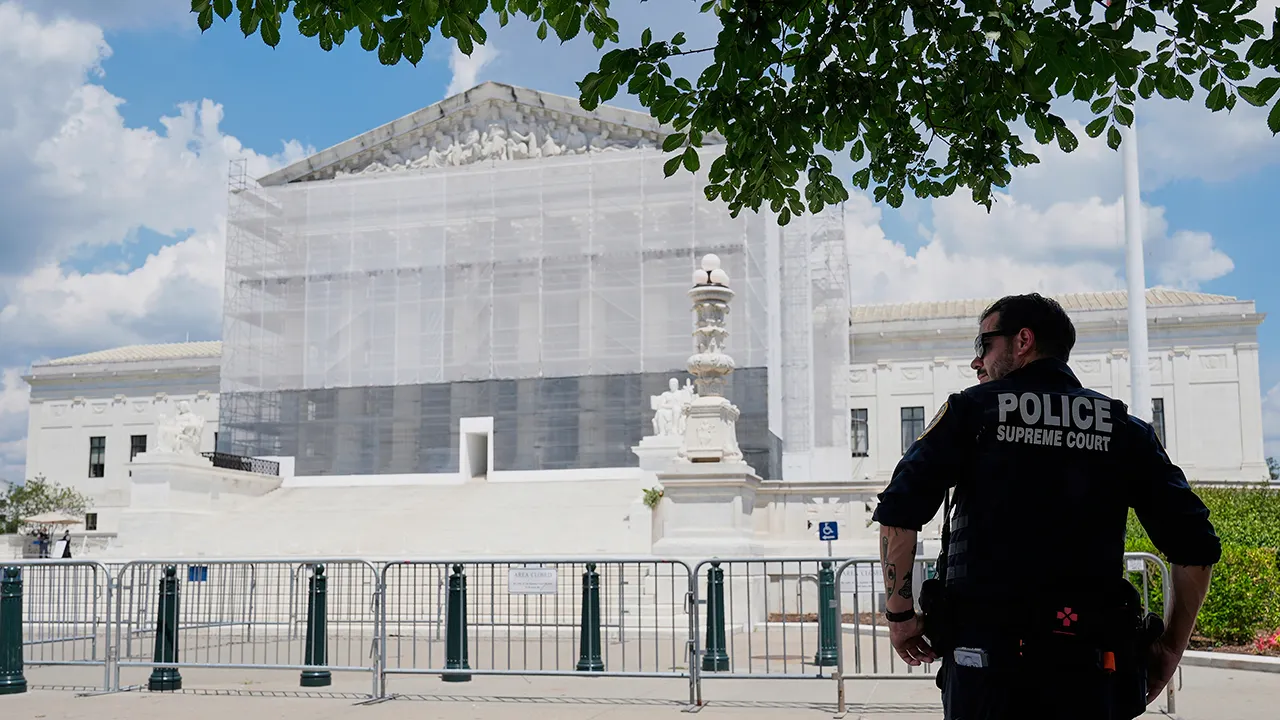
The Supreme Court on Tuesday extended its temporary stay of a lower court order requiring the Trump administration to immediately pay full Supplemental Nutrition Assistance Program (SNAP) benefits for November, granting the administration a temporary victory amid the ongoing government shutdown.
The Court’s decision keeps in place an emergency stay originally issued by Justice Ketanji Brown Jackson last week. The stay will remain effective through 11:59 p.m. on Thursday, November 13, giving the administration additional time before potentially being required to resume full benefit payments.
U.S. Solicitor General D. John Sauer had petitioned the Supreme Court on Monday, requesting emergency intervention in the dispute over SNAP payments that have been reduced due to the government shutdown. The administration had already reduced November payments to approximately 65% of their normal value.
The legal battle began when several states sued the Trump administration last month, arguing that suspending full benefits would disproportionately harm tens of millions of vulnerable Americans who depend on this assistance. The plaintiffs emphasized the unprecedented nature of the situation, stating, “Because of USDA’s actions, SNAP benefits will be delayed for the first time since the program’s inception.”
Lower courts initially sided with the states, ordering the administration to restore full benefits. The Trump administration promptly appealed, contending that these judges had overstepped their authority. In their appeal to the Supreme Court, administration lawyers argued that “the answer to this crisis is not for federal courts to reallocate resources without lawful authority.”
“The only way to end this crisis — which the Executive is adamant to end — is for Congress to reopen the government,” the administration’s legal team added, pointing to ongoing congressional efforts to resolve the shutdown.
The conflict intensified over the weekend when the U.S. Department of Agriculture issued a directive ordering states to “immediately undo any steps taken to issue full SNAP benefits” and instead distribute only the partial 65% payments. The directive warned that non-compliant states would face economic penalties, prompting U.S. District Judge Indira Talwani to intervene on Monday, temporarily pausing the USDA guidance due to the confusion it created.
State officials have been vocal in their criticism of the administration’s handling of SNAP benefits, which serve approximately one in eight Americans. In their filing to the Supreme Court on Tuesday morning, the states accused the administration of playing politics with essential food aid.
“Any further stay would prolong that irreparable harm and add to the chaos the government has unleashed, with lasting impacts on the administration of SNAP,” they argued. “The government has offered no defensible justification for that result.”
New Jersey Attorney General Matt Platkin described the administration’s actions as the “most heinous thing” he had witnessed during his time in office. “There are more children in New Jersey on SNAP than consists of the entire population of our state’s largest city,” Platkin said during a Monday press conference, emphasizing the program’s wide impact.
SNAP, formerly known as food stamps, provides nutritional assistance to millions of low-income individuals and families across the country. The program is especially critical for children, seniors, and people with disabilities who have limited resources.
As the legal battle continues, millions of SNAP recipients face uncertainty about when they will receive their full benefits. The Supreme Court’s temporary stay buys the administration time, but the ultimate resolution will likely depend on how quickly Congress can end the government shutdown.
Fact Checker
Verify the accuracy of this article using The Disinformation Commission analysis and real-time sources.

16 Comments
The Supreme Court’s decision to extend the stay is a temporary measure, but the long-term solution needs to prioritize the well-being of vulnerable populations who rely on SNAP benefits.
Absolutely. SNAP is a vital part of the social safety net, and any disruption could have dire consequences for millions of Americans.
The Supreme Court’s decision to extend the stay is an important step, but the long-term implications need to be carefully considered. Reliable food assistance is a basic human right.
Absolutely. SNAP benefits are a lifeline for many families. I hope the administration and courts can work together to find a sustainable solution.
This is a sensitive issue that requires a thoughtful and compassionate approach. I hope the Supreme Court’s final ruling will strike a balance between fiscal responsibility and the need to protect vulnerable populations.
Well said. SNAP benefits are a lifeline for many families, and any disruption could have devastating impacts. Maintaining this program’s integrity should be a top priority.
This is a sensitive issue that requires a nuanced approach. I hope the Supreme Court can balance the interests of all stakeholders and ensure SNAP recipients are not unduly harmed.
Well said. Maintaining the SNAP program’s integrity is crucial, especially during times of economic hardship and uncertainty.
This is a complex issue with significant impacts on vulnerable communities. I hope the Supreme Court can find a balanced solution that maintains critical food assistance during the shutdown.
Agreed, the SNAP program is a vital safety net. Any disruption could have devastating consequences for millions struggling to make ends meet.
The Supreme Court’s decision to extend the stay is a step in the right direction, but the long-term solution must prioritize the needs of SNAP recipients. Reliable access to food assistance is a fundamental human right.
I agree completely. SNAP is a critical program that helps millions of Americans put food on the table. Any disruption to this assistance could have serious consequences.
Reducing SNAP benefits by 35% would be a significant hardship for those who rely on this assistance. I hope the Supreme Court ultimately rules to protect this critical program.
Agreed, any disruption to SNAP could have devastating consequences. Millions of Americans depend on this program to put food on the table.
This is a complex issue with significant implications for millions of Americans. I hope the Supreme Court’s final ruling will strike a balance between fiscal responsibility and the need to protect vulnerable populations.
Well said. SNAP benefits are a crucial lifeline, and any cuts could have devastating impacts on families struggling to make ends meet.