


Listen to the article
Across the country, progressive Democrats are building momentum they hope will help reclaim congressional power this year. But in a Charleston, South Carolina hotel ballroom, a different Democratic faction is urging caution against moving too far left.
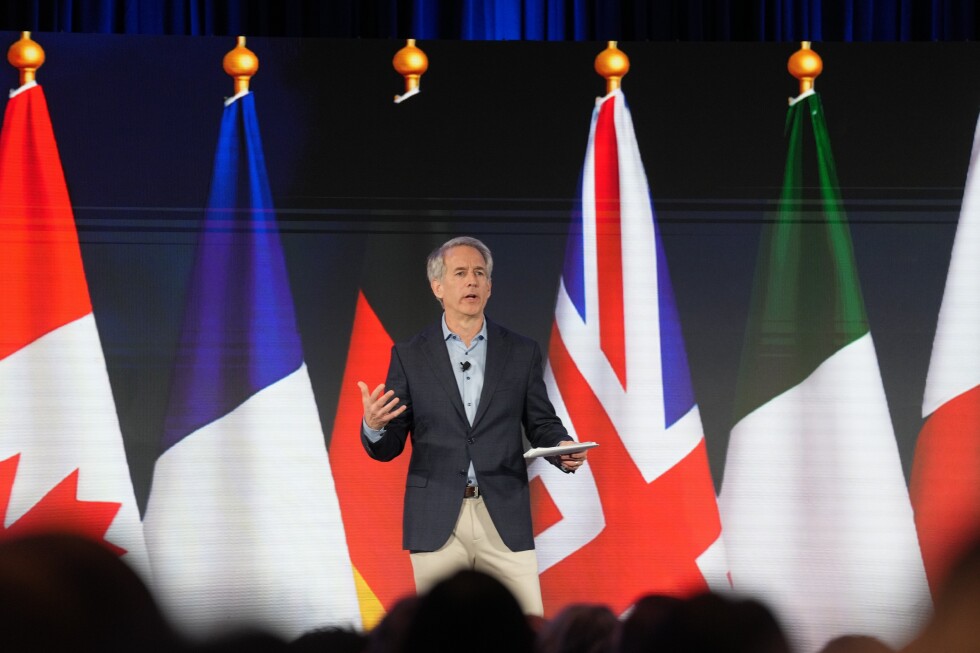
At a recent conference organized by Third Way, a moderate Democratic think tank, party centrists gathered to discuss strategies for winning middle America in upcoming elections. The two-day, invitation-only event titled “Winning the Middle” focused on how Democrats can appeal to moderate voters in both the midterms and future presidential races.
“We’re doing it early, and we’re doing it much, much more aggressively than we did last time,” said Matt Bennett, co-founder of Third Way, explaining their proactive approach to influencing the next generation of Democratic candidates. “We’ve got a team in place that is talking every day to the 2028ers.”
The conference delivered practical advice for candidates: use plainspoken language instead of academic jargon, develop authentic social media presences while maintaining real-world connections, and embrace patriotic symbols like the American flag without fear that conservatives have monopolized them.
Jim Messina, who managed Barack Obama’s successful 2012 reelection campaign, offered a stark assessment of the party’s current positioning. “In 2026, we’re going to win, because we have one great nominee, and his name is Donald Trump,” he said, suggesting Republican vulnerabilities will help Democrats in the short term. But he warned, “We’re going to lose the presidential election in 2028 if we can’t find an economic message that identifies with most people.”
When pressed for the “brutal truth,” Messina didn’t mince words: “We have no economic message, and if we don’t get one, we’re not going to win.”
The selection of South Carolina for this strategic gathering was deliberate. The state played a crucial role in Democratic primaries, particularly in reviving President Biden’s 2020 campaign. Though the Democratic National Committee hasn’t finalized its new primary calendar, Third Way organizers anticipate South Carolina will maintain its influential position.
“We need to socialize these ideas immediately, so that they can begin to take hold and be widely shared by the time we get to the main part of their primary cycle,” Bennett explained.
Throughout the conference, speakers emphasized the importance of authentic communication with voters. Joe Walsh, a former Republican congressman who represented Illinois as a tea party member before becoming a Democrat last year, criticized what he sees as elitist tendencies in Democratic messaging.
“Democrats come across as like professors, academics, elites — I mean, my God, rip off your freaking sport coat and talk to me,” Walsh said. Yet he cautioned against mimicking Trump’s confrontational style, referring to California Governor Gavin Newsom’s recent social media approach of responding to Trump in the former president’s own all-caps style. “I think the mimicking and the copying a lot of the Trumpism isn’t the way you’re actually going to reach a lot of folks,” Walsh added.
The conference also tackled policy messaging strategies. Gabe Horwitz, who leads Third Way’s economic program, joked about the overuse of the term “affordability” in campaign materials, suggesting more attendees were using the buzzword than would admit.
Melissa Morales of Somos Votantes, a Latino voter and civic engagement organization, urged Democrats to abandon the term entirely. “It barely makes sense in English, and it is a nightmare to translate into Spanish, so can we please call it something else?” she asked. Morales advocated for practical solutions over abstract concepts: “They’re not asking us for economic theory, they’re asking us for a set of everyday solutions. And if we want to connect with them, that’s how we’re going to have to do it.”
The conference reflects growing internal debate within the Democratic Party as it prepares for crucial upcoming electoral cycles. While progressives push for bold policy changes, the moderate wing represented at this gathering emphasizes the need to connect with middle America through accessible language, authentic messaging, and practical economic solutions that resonate with everyday voters.
Fact Checker
Verify the accuracy of this article using The Disinformation Commission analysis and real-time sources.

16 Comments
The 2028 presidential election is still a ways off, but it’s smart for Democrats to start laying the groundwork now. Appealing to moderate voters while maintaining progressive momentum will be a tricky tightrope to walk.
Absolutely, they’ll need to thread that needle carefully. Curious to see if they can craft a message that resonates across the party’s factions.
Plainspoken language and authentic social media presences sound like good approaches, but I wonder if they’ll be enough to overcome the deep partisan divides. Patriotic symbols could help, but the flag has become so politically charged.
Those are fair points. Navigating the cultural and ideological fault lines will be a major challenge. Striking the right tone will be critical.
The warning about leaning too far left is understandable, but I’m not sure it tells the whole story. Energizing the base is also crucial, and progressives have been a major driving force for the party lately.
That’s a fair point. They’ll need to find a way to harness progressive energy without alienating moderates. It’s a delicate balancing act.
I’m curious to learn more about Third Way and their role in guiding the Democratic party’s strategy. Are they representative of the broader moderate faction, or is their influence more limited? Their ‘Winning the Middle’ conference suggests they see themselves as key players.
Good question. Third Way is certainly a prominent moderate voice, but their influence may be more limited than they’d like. Still, their proactive approach to shaping the 2028 candidates is noteworthy.
The challenges facing Democrats in 2028 are daunting, but I appreciate their willingness to tackle them head-on. Appealing to moderates while maintaining progressive enthusiasm will be no easy feat. I’m curious to see what specific strategies they come up with.
Agreed, it’s a complex balancing act. I hope they can find creative ways to bridge the divides within the party and craft a message that resonates broadly.
Interesting that they’re focusing so intently on the 2028 presidential race already. I suppose they want to get a head start on shaping the next generation of Democratic candidates. It’s a bold strategy, but I admire their long-term thinking.
Yes, their proactive approach is noteworthy. Trying to influence future candidates this far out shows they’re taking the 2028 election very seriously.
Interesting perspective from the Democratic moderates. While I agree that appealing to middle America is crucial, I’m curious to hear more about their specific strategies and how they plan to balance progressive enthusiasm with moderate appeal.
Agreed, finding the right balance will be key. Overreaching too far left could risk alienating crucial swing voters, but moderates must also energize their base.
This is an interesting debate within the Democratic party. While I understand the moderates’ concerns about going too far left, I also think the progressives have an important role to play in energizing the base. It will be crucial to find the right balance.
Well said. Navigating those competing interests will be tricky, but finding the right equilibrium could pay big dividends for Democrats in 2028 and beyond.