


Listen to the article
Climate Science Under Threat: US Funding Cuts Impact Australian Weather Forecasting
Australian climate scientists have raised serious concerns that funding cuts to major US science agencies are compromising Australia’s ability to forecast weather and model climate patterns, with implications reaching far beyond immediate weather predictions.
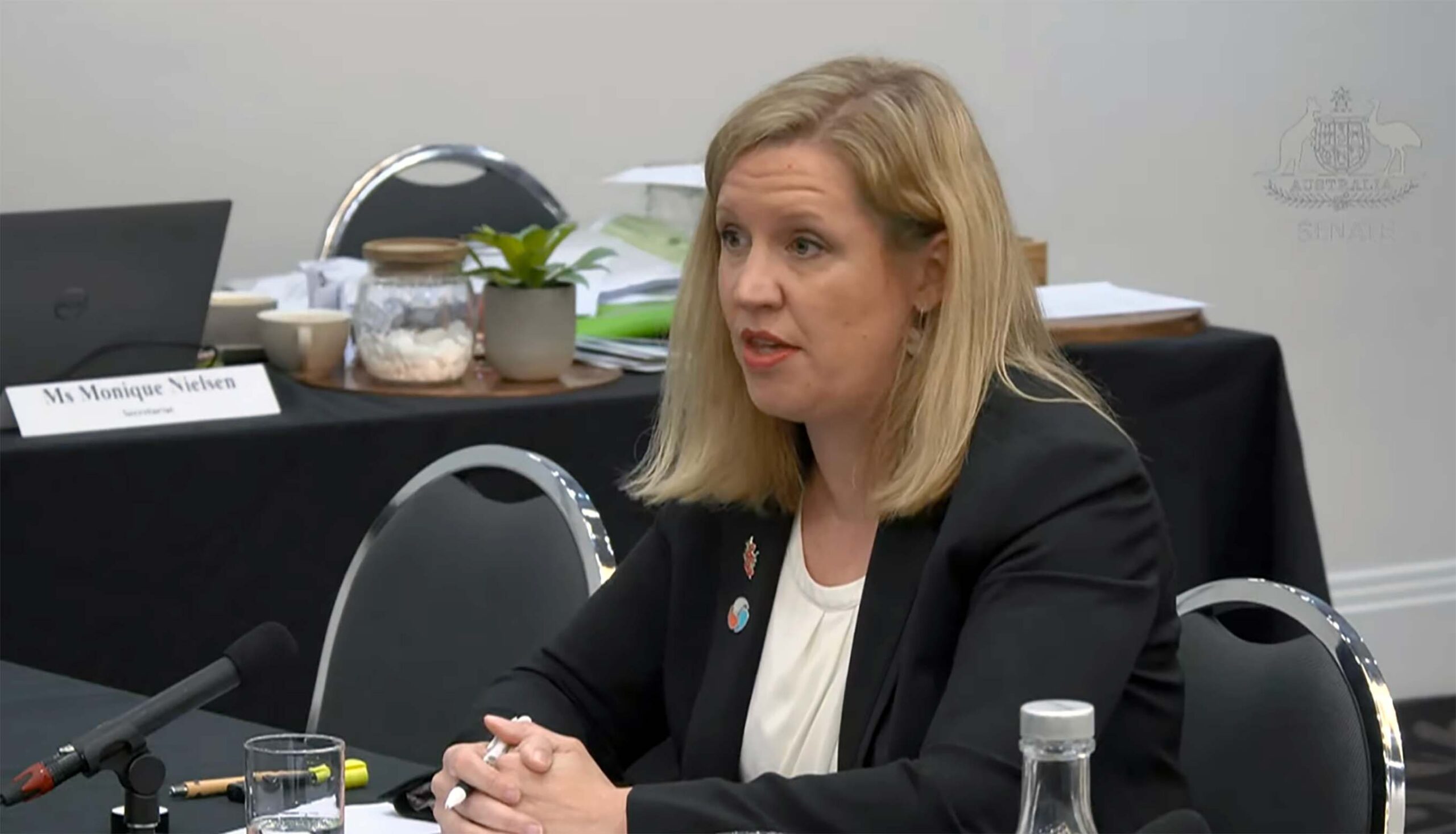
In testimony before the Senate inquiry on misinformation and disinformation in climate and energy, Associate Professor Ailie Gallant from the ARC Centre of Excellence for the Weather of the 21st Century revealed that critical US data sets underpinning Australian forecasts have ceased updating since the Trump administration returned to power.
“A lot of the data we use has not been available or has not been updated,” Gallant told senators. “This has significant consequences for everything from daily weather forecasting to seasonal outlooks that farmers rely on, all the way through to long-term climate projections.”
The Centre’s submission details how US budget reductions at NASA and the National Oceanic and Atmospheric Administration (NOAA) could restrict global access to vital satellite and sea-surface temperature data. These cuts threaten the international cooperation essential for comprehensive climate monitoring, potentially creating blind spots in scientific understanding at a critical moment.
“Even partial restrictions or degradation in quality undermine our ability to understand Australia’s changing climate and prepare for future challenges,” Gallant explained. She emphasized that gaps in climate data collection could emerge “at a very inopportune time as global climate change accelerates.”
The repercussions of these disruptions cannot be quickly addressed, Gallant warned. “Once a satellite is down, it’s down. It takes years to build another one and put it back up.” This creates a potentially dangerous lag in monitoring capabilities during a period of accelerating climate change.
The issue extends beyond technical concerns into the realm of public trust. The Centre’s submission connects these scientific challenges to a growing problem: the proliferation of climate and energy misinformation eroding confidence in Australia’s most respected weather science institutions, including the Bureau of Meteorology, CSIRO, and universities.
“Misinformation and disinformation directly undermine the functioning of scientific institutions and reduce the quality of public policy decisions,” the submission states. It highlights how false narratives—including attacks on scientific credibility and deliberate misrepresentation of climate uncertainties—are being amplified online and adapted from overseas disinformation campaigns.
Gallant expressed shock at what she termed “the resurgence of science being under siege,” noting that technology has facilitated the rapid spread of misinformation. More concerning is the personal toll on researchers. “We have frequently experienced bullying and attacks from anti-science actors,” she revealed, describing this as an increasing occupational hazard for climate scientists.
Although public trust in Australia’s science agencies remains “moderate to high,” the Centre warns this can only be maintained through bipartisan support and politically independent funding. Their recommendations include parliamentary recognition that scientific independence and open access to data are matters of national security and resilience.
The Centre has also called for safeguards against political interference in key agencies like the Bureau of Meteorology and CSIRO, along with stronger public communication strategies to counter false narratives about climate and energy.
“Weather and science is a global effort,” Gallant emphasized to the committee. “We all contribute, but some countries are more influential than others. Defunding those programs has a significant effect on our ability to monitor what’s happening to the global climate and weather.”
The combination of reduced access to international data and declining public trust creates a dangerous cycle of uncertainty—precisely the environment where misinformation thrives. “Decreasing the amount of data available increases uncertainty,” Gallant explained. “And removing those models from the global pool means we have less information to work with.”
For scientists attempting to forecast floods, droughts, and heatwaves in Australia’s already volatile climate, this uncertainty presents more than a technical challenge—it potentially undermines the nation’s preparedness and resilience at a time when accurate climate information has never been more crucial.
Fact Checker
Verify the accuracy of this article using The Disinformation Commission analysis and real-time sources.

7 Comments
This highlights the fragility of international scientific collaborations and the need for robust, reliable data infrastructure. Funding cuts that disrupt data sharing could have far-reaching impacts on our ability to understand and respond to climate change.
Cuts to US science agencies like NASA and NOAA are deeply concerning. Their data plays a crucial role in global climate modeling and weather forecasting. We must ensure that political agendas don’t undermine the scientific foundations needed to address climate challenges.
Concerning to hear about the potential impact of US data cuts on Australia’s climate modeling capabilities. Access to accurate, up-to-date data is critical for forecasting and long-term climate projections. Hopefully a solution can be found to maintain this vital scientific collaboration.
You’re right, this is a worrying development. Global cooperation and data sharing is essential for effective climate science and modeling. Let’s hope the funding issues can be resolved quickly.
The challenges facing climate science due to data access issues and misinformation are deeply troubling. We need strong, independent scientific institutions to provide the objective evidence needed for sound policymaking on this critical issue.
Well said. Maintaining the integrity and independence of climate research is vital, especially in the face of political interference and disinformation campaigns. Transparency and public trust in science must be protected.
It’s alarming to see how political interference and misinformation can threaten the vital work of climate scientists. Data sharing and international cooperation are essential – we can’t afford to let ideology jeopardize our ability to understand and respond to this global crisis.