


Listen to the article
UK Sanctions Georgian TV Channels for Spreading Misinformation About Ukraine War
The UK government has imposed sanctions on two Georgian pro-government television channels, accusing them of deliberately spreading misleading information about Russia’s invasion of Ukraine.
The measures against Imedi and Postv are part of a broader sanctions package targeting 297 entities, unveiled to mark the fourth anniversary of Moscow’s 2022 invasion. The sanctions include asset freezes, property restrictions, and prohibitions on the broadcasters’ owners from operating UK-based companies.
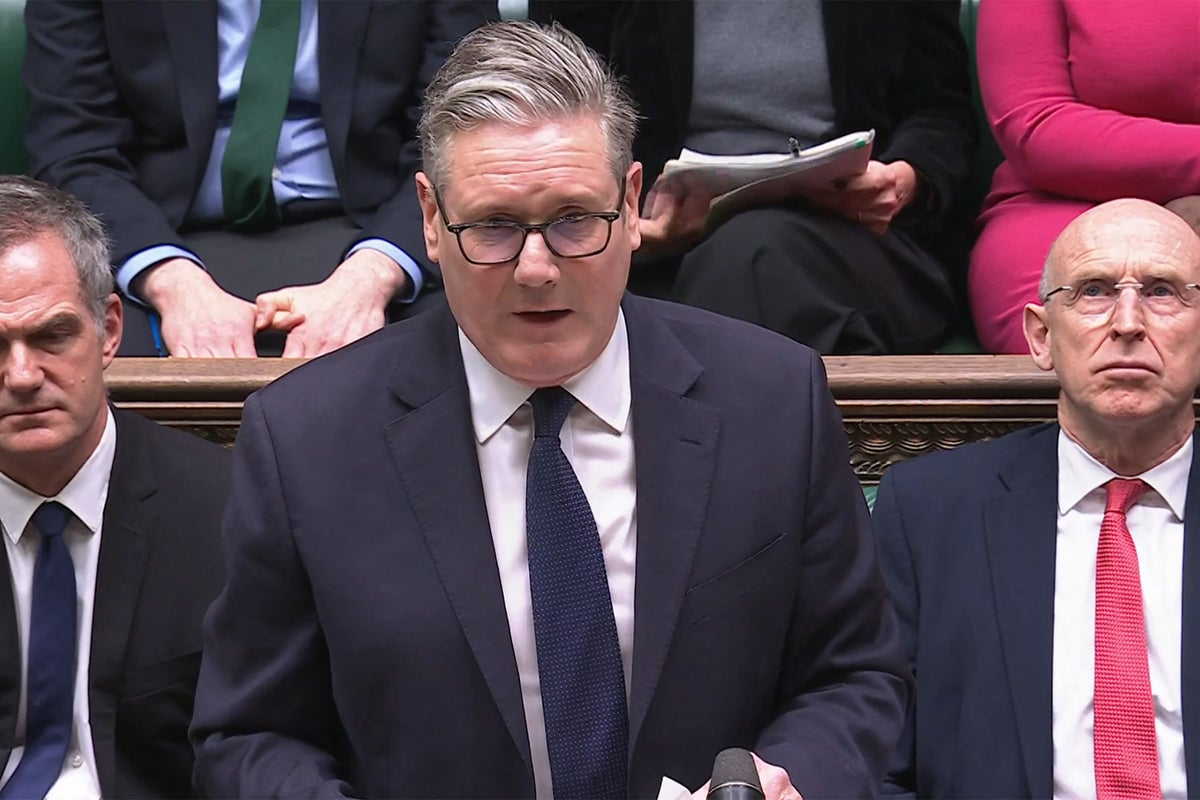
Sir Keir Starmer’s government specifically accused the channels of promoting false narratives that destabilize Ukraine and threaten its territorial integrity. Officials stated that Imedi had spread falsehoods portraying Ukraine’s government as “illegitimate” and a “puppet” of Western powers.
In response, Imedi dismissed the sanctions as “worthless” and pledged to continue serving Georgian viewers. Postv founder Shalva Ramishvili took to Facebook to condemn the decision, suggesting London had targeted the channel “because we’re not saying that Ukraine is beating Russia.”
The move highlights growing concerns about Georgia’s shifting political landscape. Once considered among the most democratic and pro-Western former Soviet states, Georgia has taken an increasingly authoritarian turn since Russia’s full-scale invasion of Ukraine began in 2022. While providing humanitarian assistance to Ukraine, Tbilisi has notably refrained from imposing sanctions on Moscow.
Georgia’s relationship with Russia remains complex, shaped partly by the brief but consequential 2008 war between the two nations. Despite this history, Georgia has deepened economic ties with Russia in recent years, raising concerns among Western allies.
Ownership of the sanctioned media outlets has attracted scrutiny. Until recently, Imedi was owned by Irakli Rukhadze, a Georgian-born U.S. citizen based in Britain. Earlier this month, Rukhadze sold his shares to Prime Media Global, with the channel’s current management receiving half the shares, according to information published by Hunnewell Partners, a private equity firm Rukhadze helped establish.
The sanctions against the Georgian broadcasters form part of what British officials describe as their most extensive sanctions package to date. Notable among the targets is Transneft, one of the world’s largest pipeline companies, responsible for transporting over 80 percent of Russia’s crude exports. The inclusion of this energy giant represents a strategic effort to diminish Moscow’s crucial oil revenue streams that help finance its military operations.
“The UK has today taken decisive action to disrupt the critical financing, military equipment and revenue streams that sustain Russia’s aggression,” Foreign Minister Yvette Cooper said in a statement, underscoring the significance of the measures.
The latest round brings the total number of individuals, companies, and vessels sanctioned under Britain’s Russia regime to more than 3,000. The package also targeted 48 oil tankers identified as part of Russia’s “shadow fleet” – vessels used to circumvent international sanctions on Russian oil exports.
These actions reflect the UK’s continued commitment to supporting Ukraine while pressuring Russia economically. By targeting not only Russian entities but also foreign media outlets spreading Kremlin-aligned narratives, Britain is expanding its approach to combating what it considers Russia’s multifaceted war effort.
The inclusion of Georgian broadcasters also sends a message to other nations about the potential consequences of allowing media organizations to propagate Russian disinformation regarding the conflict in Ukraine, which has now entered its fourth year with no clear end in sight.
Fact Checker
Verify the accuracy of this article using The Disinformation Commission analysis and real-time sources.

8 Comments
While freedom of speech is important, these channels appear to have crossed the line by deliberately disseminating misinformation that destabilizes another country. The UK is right to hold them accountable through targeted sanctions.
While media freedom is important, these channels appear to have crossed a line by deliberately undermining Ukraine’s sovereignty through disinformation. The UK is right to take action against such propaganda.
The sanctions seem like a reasonable response to the channels’ role in amplifying false claims about the Ukraine war. Restricting their ability to operate in the UK is an important step to counter Russian influence and protect information integrity.
The UK’s sanctions on these pro-Russian TV channels send a strong signal that spreading misinformation to destabilize other countries will not be tolerated. Protecting the integrity of information is critical during times of conflict.
It’s concerning to see pro-Russian media outlets continuing to spread disinformation about the Ukraine conflict, even as the war rages on. The UK’s actions send a clear message that such propaganda will not be tolerated.
Interesting to see the UK taking action against pro-Russian disinformation channels. Spreading misleading narratives that undermine Ukraine’s sovereignty is unacceptable. Kudos to the government for cracking down on this propaganda.
The UK’s decision to sanction these Georgian TV channels highlights the growing global effort to combat the spread of Russian-backed misinformation. Maintaining the integrity of information is crucial, especially during times of conflict.
Agreed. Holding media outlets accountable for peddling false narratives is an important step in protecting democratic values and the free flow of accurate information.