


Listen to the article
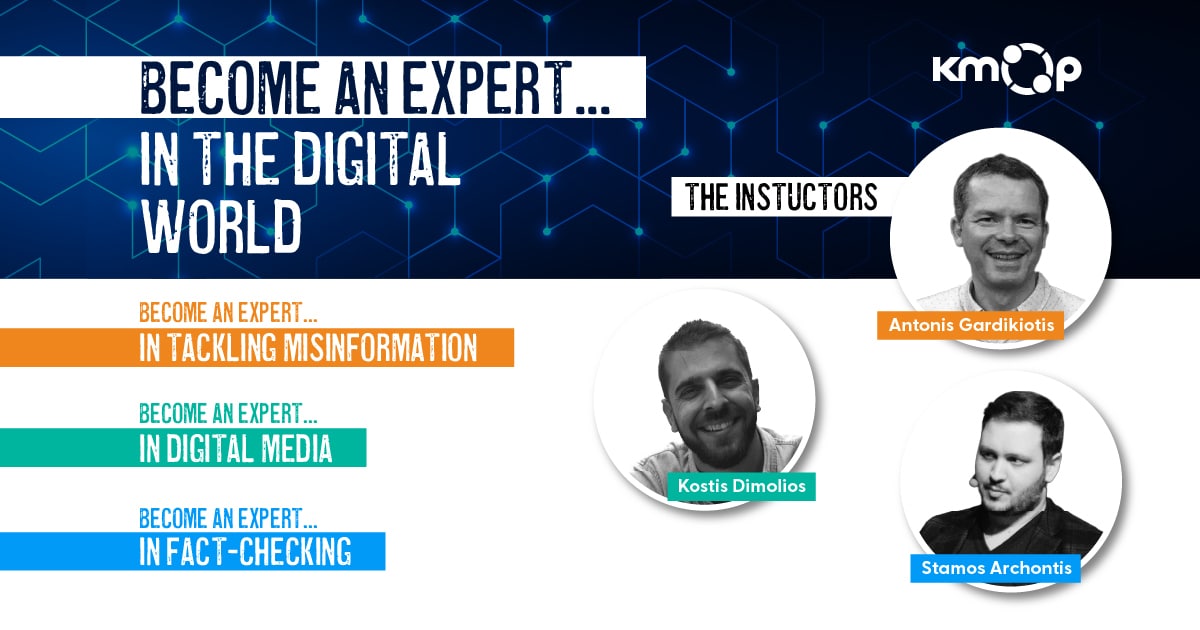
In a significant effort to combat the rising tide of digital misinformation, KMOP recently concluded a successful series of online seminars that trained over 800 participants in critical digital literacy. The three-part series, titled “Become an expert in the digital world,” took place in February 2026, bringing together academics, journalists, educators, and professional fact-checkers to equip participants with essential skills for navigating today’s complex information landscape.
The initiative comes at a crucial moment when digital misinformation increasingly threatens democratic processes and public discourse worldwide. Recent studies have shown that false information spreads six times faster on social media platforms than factual content, highlighting the urgency of building broader societal resilience against these threats.
The first seminar featured Antonis Gardikiotis, Professor of Social Psychology and Media at the Aristotle University of Thessaloniki’s School of Journalism and Mass Communications. Participants received in-depth insights into the mechanics of misinformation and its psychological impacts.
“I truly appreciated the opportunity to discuss misinformation,” Professor Gardikiotis remarked. “We live in an era where empowering media users is essential, and this seminar provided that opportunity to all participants.”
In the second session, educator and Media Owl founder Kostis Dimolios addressed the algorithm-driven digital ecosystem that shapes users’ online experiences. He provided concrete strategies for regaining control over digital habits and developing more intentional media consumption practices, tools increasingly necessary in an attention economy designed to maximize engagement rather than accuracy.
Dimolios emphasized the broader implications of these skills: “The interaction with participants reminded me how essential it is to create opportunities for information, learning and exchange. In today’s digital age, the way we consume and interpret the constant flow of information shapes the very quality of our lives and our democracy.”
The series concluded with a practical workshop led by Stamos Archontis, a professional fact-checker and co-founder of FactReview. Archontis presented both the capabilities and limitations of professional fact-checking, introducing participants to verification tools for everyday use. His session also explored the dual role of artificial intelligence in both fighting and amplifying misinformation – a particularly relevant topic as AI-generated content becomes increasingly sophisticated and difficult to distinguish from human-created material.
This training initiative forms part of the broader MILES project, through which KMOP works to counter misinformation and enhance media literacy across multiple sectors. The organization has now expanded these efforts by launching an educators’ platform that offers specialized resources for teachers looking to incorporate media literacy into their classrooms.
The platform addresses three core competency areas: identifying misinformation and understanding its propagation mechanisms; fostering media literacy in educational settings through practical critical thinking tools; and implementing pedagogical approaches that empower students to become responsible digital citizens.
The timing of this initiative aligns with growing concerns from education experts about students’ vulnerability to online manipulation. A recent European Commission study found that only 37% of European teenagers regularly verify the information they encounter online, underscoring the need for structured media literacy education.
Education specialists note that these skills extend beyond mere fact-checking to include understanding how information ecosystems function, recognizing cognitive biases, and developing healthy skepticism toward sensationalist content – precisely the competencies the KMOP program aims to foster.
For educators and others interested in strengthening their digital literacy skills, KMOP continues to offer resources through their platform and welcomes inquiries about future training opportunities.
This initiative represents an important step in building societal resilience against information disorder at a time when distinguishing fact from fiction has become not just a personal skill but a civic necessity.
Fact Checker
Verify the accuracy of this article using The Disinformation Commission analysis and real-time sources.

19 Comments
It’s encouraging to see academics like Prof. Gardikiotis sharing their expertise on the psychology behind misinformation. Understanding the underlying mechanisms is key to developing effective countermeasures.
That’s a great point. Insights from social psychology can provide valuable context for designing interventions and educational programs to combat the spread of false narratives.
This training program seems like a valuable investment in strengthening societal resilience against the growing threat of digital misinformation. Equipping journalists and educators with the right skills is a prudent move.
Kudos to KMOP for recognizing the critical need for this type of training and taking concrete steps to address it. Fostering digital media literacy among key information gatekeepers is a smart approach.
This training program sounds like a comprehensive effort to equip journalists and educators with the essential skills to navigate the digital landscape. Strengthening digital literacy is crucial for maintaining the integrity of public discourse.
This training program seems like a valuable investment in equipping key information gatekeepers with the skills to navigate the complex digital landscape and combat the spread of misinformation. Kudos to KMOP for their proactive approach.
I agree. Fostering digital media literacy among journalists and educators is a smart strategy for safeguarding the integrity of public discourse and democratic processes.
This is an important initiative to equip journalists and educators with the skills to navigate the complex digital landscape and combat the spread of misinformation. Fostering digital literacy is crucial for safeguarding democratic discourse.
Absolutely. With false information spreading so rapidly online, this training will provide valuable tools to critically evaluate sources and fact-check content.
Interesting to see KMOP taking a proactive approach to addressing digital misinformation. Educating key information disseminators on fact-checking and critical evaluation of online content is a smart strategy.
Absolutely. With the rapid spread of false information, building the capacity of those on the frontlines is an important step in protecting democratic processes and public discourse.
The statistics on the faster spread of false information compared to factual content are quite alarming. This underscores the critical importance of KMOP’s initiative to empower professionals with digital media safety skills.
The participation of over 800 professionals in this training series is a testament to the growing recognition of the urgency in addressing digital misinformation. KMOP’s initiative is a commendable effort to strengthen societal resilience.
It’s great to see KMOP taking a proactive stance in combating digital misinformation through this comprehensive training program. Empowering journalists and educators with the right tools is a crucial step forward.
Absolutely. With the widespread impact of false information, building the capacity of those responsible for disseminating accurate, fact-based content is an important strategic move.
The statistics on the faster spread of false information compared to factual content are quite alarming. This underscores the urgency of KMOP’s initiative to empower professionals with digital media safety skills.
Agreed. The rapid dissemination of misinformation poses significant risks to public discourse and democratic processes, making this training program a timely and necessary intervention.
Kudos to KMOP for recognizing the urgency of this issue and taking concrete steps to address it. Digital media safety is an essential component of media literacy in the modern era.
Agreed. Empowering professionals on the frontlines of information dissemination is a smart approach to building societal resilience against misinformation.