


Listen to the article
India’s domestic LPG production has surged by 40 percent following recent government directives, now reaching 50,000 tonnes daily, which covers more than 60 percent of the country’s total requirement of approximately 80,000 tonnes, according to official sources.
This significant production boost has substantially reduced India’s import dependency. The country now needs to import only 30,000 tonnes daily to meet demand, marking a notable shift in the nation’s energy security landscape. Officials confirmed that beyond domestic production, India has secured approximately 800,000 tonnes of LPG cargoes that are currently en route from multiple international sources including the United States, Russia, and Australia.
These inbound shipments will arrive at India’s network of 22 LPG import terminals, a system that has doubled in capacity since 2014 when only 11 such facilities existed. The expansion of import infrastructure has strengthened India’s ability to handle larger volumes of imported LPG efficiently.
“Approximately one full month of supply is firmly arranged, with additional procurement being finalised continuously,” according to the official statement. This strategic stockpiling appears designed to ensure continuous supply and prevent potential shortages in the domestic market.
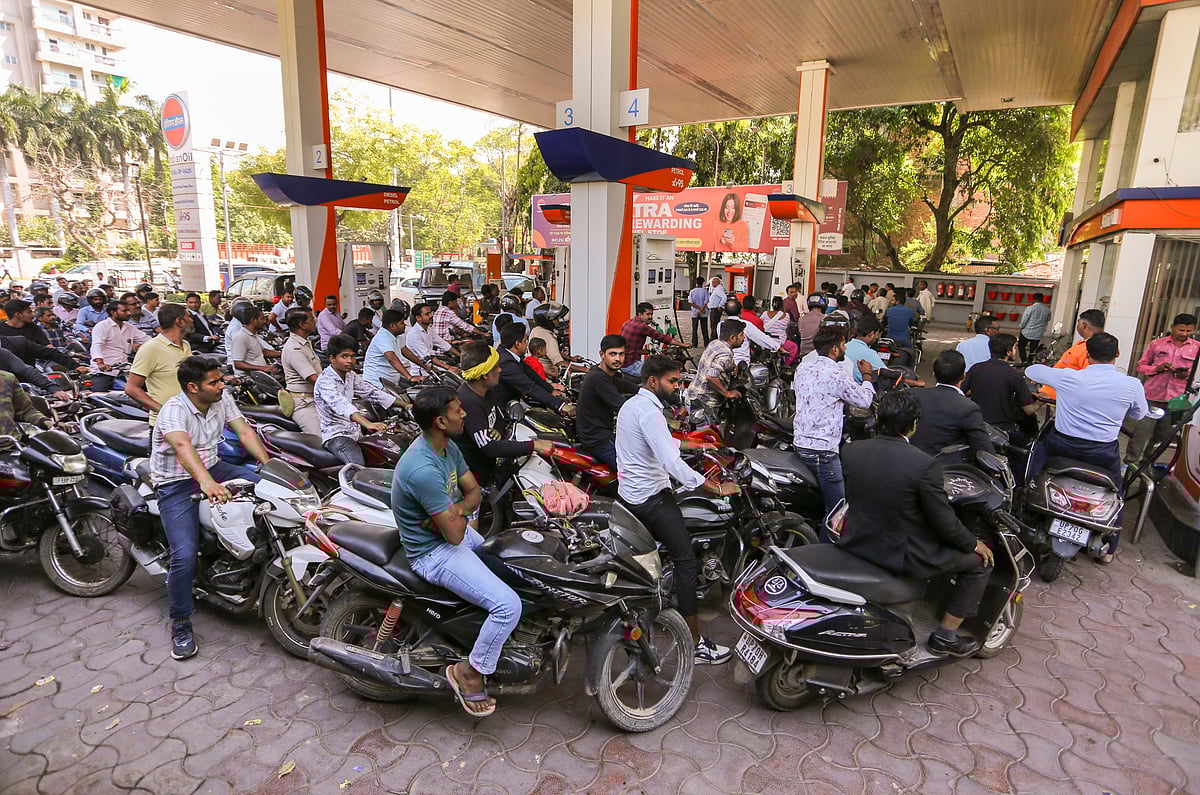
The distribution network has stabilized after a period of heightened demand. Oil companies are currently delivering over 50 lakh cylinders daily, down from a peak of 89 lakh cylinders that occurred during a wave of panic ordering by consumers. The normalization suggests that initial concerns about potential shortages have subsided.
In a move to prevent hoarding and black market activities, authorities have increased commercial cylinder allocations to 50 percent in coordination with state governments. This measure aims to maintain market stability and ensure fair distribution across both household and commercial sectors.
Regarding natural gas, India’s domestic production stands at 92 million standard cubic meters per day (mmscmd), meeting approximately half of the country’s total daily requirement of 191 mmscmd. This makes India considerably less import-dependent on natural gas compared to LPG, a fact that has influenced recent energy policy decisions.
The government has been promoting piped natural gas (PNG) as an alternative to LPG for household use, but officials were quick to dismiss claims that this push is due to LPG shortages. “The claim that PNG is being pushed because LPG is running out is misinformation. LPG supply is secure. PNG is simply a better, more affordable and highly convenient fuel for India’s households,” the official statement emphasized.
Energy analysts note that this production increase comes at a critical time for global energy markets, which have seen significant volatility in recent months. The reduced import dependency could potentially shield Indian consumers from international price fluctuations and supply disruptions.
The developments also align with India’s broader energy strategy of increasing domestic production while diversifying import sources. By sourcing LPG from multiple countries across different regions, India is reducing its vulnerability to geopolitical disruptions in any single supply region.
For the average Indian consumer, these measures are expected to ensure consistent availability of cooking fuel, a basic necessity for millions of households across the country. The stabilization of the cylinder delivery system to normal levels suggests that the supply chain is now functioning efficiently after weathering the temporary surge in demand.
Industry observers point out that the expanded domestic production capacity represents a significant achievement for India’s refining sector, which has been working to increase self-sufficiency in essential petroleum products over the past decade.
Fact Checker
Verify the accuracy of this article using The Disinformation Commission analysis and real-time sources.

8 Comments
The 40% surge in India’s LPG production is quite impressive. Leveraging domestic resources while complementing it with imports from diverse global sources seems like a well-rounded approach. Kudos to the government for addressing potential supply issues proactively.
Indeed, a diversified supply mix can help mitigate risks. It will be interesting to see how this impacts India’s energy landscape and its ability to meet rising LPG demand going forward.
It’s encouraging to see India taking steps to bolster its energy security. Diversifying import sources and expanding domestic production capacity will help insulate the country from supply shocks. Proactive stockpiling is a prudent move as well.
Agreed. Reducing reliance on imports and building strategic reserves should improve India’s energy resilience. Curious to see if this enhanced self-sufficiency translates to more stable fuel prices for consumers.
The government’s dismissal of shortage fears is reassuring, but it will be crucial to monitor the situation closely. Continued investment in domestic production and import capacity expansion should be the priority to ensure long-term energy security for India.
Absolutely. Vigilance and proactive planning will be key, especially given the volatile global energy landscape. India’s energy security strategy seems well-thought-out, but execution and adaptability will be critical.
This news highlights India’s strategic approach to energy security. Reducing import dependence while bolstering domestic production and storage capacity is a prudent move. It will be interesting to see how this enhanced self-sufficiency impacts fuel prices and availability for Indian consumers.
Maintaining a 60-day oil stock and month-long LPG supply is a commendable feat. India’s efforts to boost domestic production and expand import infrastructure demonstrate a strong commitment to energy security. This should help the country weather potential global supply disruptions.