


Listen to the article
The Gambia and ECOWAS Launch Pioneering Center to Combat Digital Misinformation
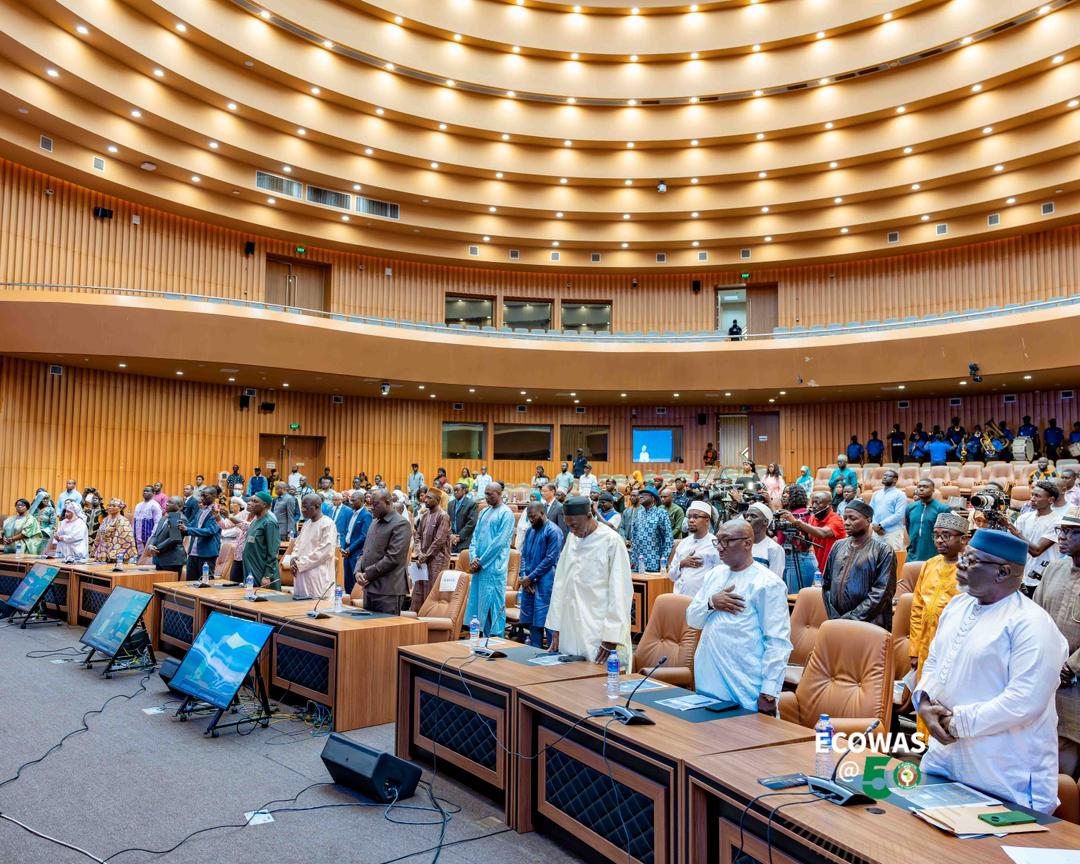
The Government of The Gambia, backed by the Economic Community of West African States (ECOWAS) Commission, inaugurated West Africa’s first National Misinformation and Disinformation Response Centre on April 25, 2026, in Banjul. The groundbreaking initiative aims to safeguard the region’s information ecosystem amid growing concerns about digital manipulation.
During the launch ceremony, Gambian Vice President Muhammad Jallow stood alongside ECOWAS Commission President Omar Alieu Touray to unveil the facility, emphasizing its critical role in maintaining information integrity across the region. The center represents a significant milestone in West Africa’s approach to combating false narratives that threaten democratic processes.
“This center embodies our commitment to protecting citizens from harmful misinformation while preserving freedom of expression,” Vice President Jallow stated during the inauguration. “In an era where digital falsehoods can undermine public trust and destabilize nations, this initiative provides a crucial defense mechanism.”
The facility will implement multiple strategies to counter misinformation, including early warning systems to detect emerging false narratives, real-time fact-checking capabilities, and cross-border collaboration frameworks. These tools will enable rapid response to misinformation campaigns that often transcend national boundaries.
ECOWAS Commission President Touray highlighted the regional dimensions of the initiative, noting that digital misinformation poses a transnational threat requiring coordinated action. “What begins as a falsehood in one member state can quickly spread throughout our region, affecting stability and undermining democratic institutions,” Touray said. “This center represents our collective determination to protect our information space.”
Officials took pains to address potential concerns about government overreach, repeatedly emphasizing that the center will not function as a censorship tool. Instead, they described it as a resource to ensure citizens have access to accurate, verified information upon which they can base their decisions and opinions.
The establishment of the center comes at a critical juncture for West Africa, where several nations are preparing for elections in the coming years. Misinformation during electoral periods has become increasingly sophisticated, with artificial intelligence tools making it easier to create and distribute convincing false content.
Media experts in attendance noted the center’s potential to serve as a model for similar initiatives across Africa. Abena Mensah, a digital rights advocate from Ghana, cautiously welcomed the development while emphasizing the importance of transparency.
“The success of this initiative will depend on maintaining independence from political influence and establishing clear methodologies for identifying and countering misinformation,” Mensah told reporters on the sidelines of the launch event.
The center represents part of a broader ECOWAS strategy to strengthen democratic institutions throughout the region. Its establishment follows two years of planning, technical development, and stakeholder consultations involving government officials, media organizations, civil society groups, and international partners.
Funding for the center comes from a combination of Gambian government resources and ECOWAS support, with additional technical assistance provided by international organizations specializing in media literacy and fact-checking methodologies.
The center will employ a multidisciplinary team including journalists, data analysts, and social media experts who will monitor information trends, verify claims, and publish corrections when necessary. Educational outreach also forms a core component of the center’s mandate, with programs designed to improve digital literacy among citizens.
As West Africa’s first dedicated institution of its kind, the National Misinformation and Disinformation Response Centre will likely face intense scrutiny from media freedom watchdogs and civil liberties organizations concerned about potential government interference in information flows.
However, if successful, the initiative could provide a valuable blueprint for addressing one of democracy’s most pressing challenges: ensuring that citizens can access reliable information in an increasingly complex digital landscape.
Fact Checker
Verify the accuracy of this article using The Disinformation Commission analysis and real-time sources.

12 Comments
Kudos to Gambia and ECOWAS for taking this bold step. Combating digital manipulation is essential for maintaining social cohesion and stability in the region.
This initiative could have important implications for the mining and energy sectors, which are often targets of misinformation campaigns.
Protecting the integrity of information is crucial for informed decision-making, especially in industries like mining and energy. This new center is a positive development for the region.
I hope the center’s efforts will help ensure that discussions around critical commodities and resources are based on facts rather than false narratives.
Misinformation is a global problem that requires coordinated regional responses. This new center in West Africa demonstrates a commitment to protecting citizens and preserving democratic values in the digital age.
I wonder if the center will also focus on building digital literacy and critical thinking skills among the public to help them navigate the online information landscape.
The launch of this misinformation response center is a timely and necessary move. Disinformation can have serious consequences for industries like mining, so this proactive approach is commendable.
I’m interested to see how this center will coordinate with stakeholders in the mining and energy sectors to address sector-specific misinformation challenges.
This is an important step for West Africa to combat the growing problem of online misinformation. Safeguarding the information ecosystem is crucial for maintaining trust in democratic processes and institutions.
I’m curious to learn more about the specific strategies and capabilities this new center will deploy to counter digital falsehoods.
Establishing a dedicated center to address misinformation and disinformation is a wise move. Digital manipulation can have far-reaching consequences, so this proactive approach by Gambia and ECOWAS is commendable.
I hope this initiative can serve as a model for other regions grappling with similar challenges around online information integrity.