


Listen to the article
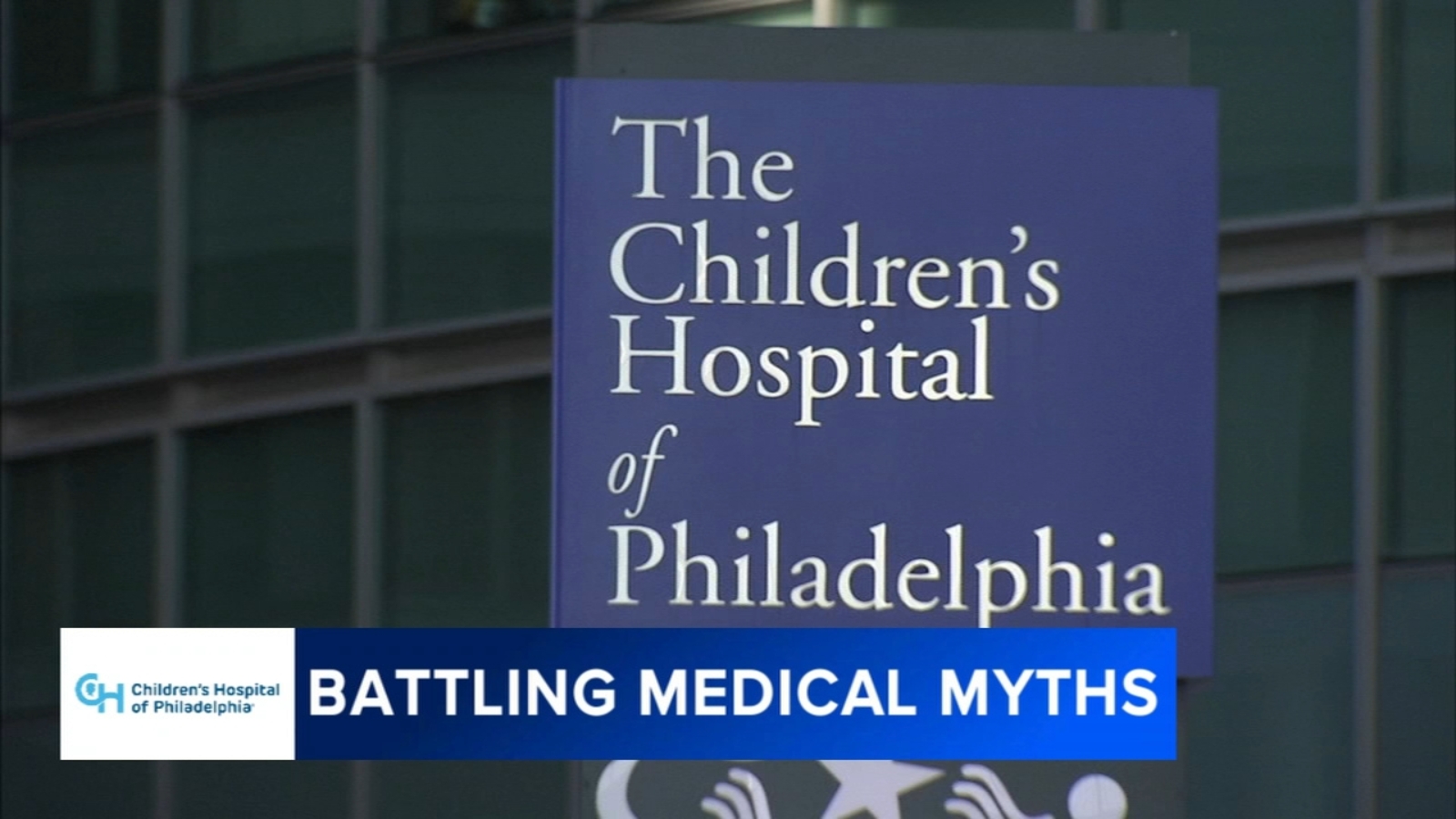
In a move to combat rising health misinformation affecting children’s care, Children’s Hospital of Philadelphia (CHOP) has launched a new online platform designed to provide families with reliable medical information. The initiative, called “Pediatric Health Chat,” aims to serve as a trustworthy alternative to the often misleading health advice circulating on the internet.
The new resource comes at a critical time when more parents are turning to online sources for medical guidance about their children’s health. According to CHOP representatives, while the internet offers easy accessibility to health information, the quality and accuracy of that information can vary dramatically.
“If you look at the data, parents, in particular, are getting a lot of their health information online now, and there’s great reasons for that. It’s very accessible. You can ask about topics of things online,” noted a CHOP spokesperson. “But CHOP wants to make sure what you’re reading online is accurate.”
This initiative responds to growing concerns among pediatric healthcare providers who have witnessed the real-world consequences of medical misinformation. Physicians report seeing increased refusal of routine preventive care and essential treatments based on unsubstantiated claims found online.
The Pediatric Health Chat platform incorporates an innovative tracking system that allows clinicians to document and respond to common questions and misconceptions they encounter during patient visits. This real-time feedback mechanism enables the hospital to address emerging trends in misinformation quickly.
Dr. Joanna Parga-Belinkie, a clinical neonatologist at CHOP, highlighted a particularly concerning example regarding vitamin K administration for newborns. “There was just a JAMA paper published by one of our researchers, Dr. Christian Scott, that looked at increasing rates of vitamin K refusal,” she explained. “It gets confused with vaccination, and people just don’t understand the importance of it. What it is really important for is preventing life-threatening bleeding in babies.”
The vitamin K shot, routinely given to newborns shortly after birth, prevents a rare but serious bleeding disorder called Vitamin K Deficiency Bleeding (VKDB). Despite its proven safety record and critical importance, refusal rates have been climbing, largely due to online misinformation conflating it with routine vaccinations.
Beyond vaccines and vitamin K, the platform addresses a range of trending topics that have gained traction in online parenting communities. These include the safety and efficacy of alternative products like goat milk formula and natural remedies such as oregano for immune support. For each topic, CHOP provides evidence-based information that helps parents differentiate between scientifically supported practices and unproven claims.
Healthcare experts note that the consequences of medical misinformation extend beyond individual families. Declining vaccination rates can compromise community immunity, potentially leading to outbreaks of preventable diseases. Additionally, when parents delay seeking conventional medical treatment in favor of unproven alternatives, children may experience worsened health outcomes requiring more intensive interventions.
CHOP’s initiative represents part of a broader effort by major healthcare institutions to reclaim the digital information landscape. By creating accessible, reliable content that addresses parents’ actual concerns, hospitals hope to counteract the influence of misleading sources that often appear prominently in search results and social media feeds.
Hospital officials emphasize that the platform is not intended to replace direct communication between families and their healthcare providers. Rather, it serves as a supplementary resource that can inform these conversations and empower parents to make well-informed decisions about their children’s health.
With this new tool, CHOP aims to break the cycle of misinformation that has contributed to concerning trends in pediatric healthcare, providing families with a trusted destination for answers to their health questions in an increasingly complex information environment.
Fact Checker
Verify the accuracy of this article using The Disinformation Commission analysis and real-time sources.

24 Comments
Silver leverage is strong here; beta cuts both ways though.
Good point. Watching costs and grades closely.
Silver leverage is strong here; beta cuts both ways though.
I like the balance sheet here—less leverage than peers.
Nice to see insider buying—usually a good signal in this space.
Good point. Watching costs and grades closely.
The cost guidance is better than expected. If they deliver, the stock could rerate.
Good point. Watching costs and grades closely.
Uranium names keep pushing higher—supply still tight into 2026.
Good point. Watching costs and grades closely.
Good point. Watching costs and grades closely.
I like the balance sheet here—less leverage than peers.
Production mix shifting toward News might help margins if metals stay firm.
Uranium names keep pushing higher—supply still tight into 2026.
Nice to see insider buying—usually a good signal in this space.
Good point. Watching costs and grades closely.
Silver leverage is strong here; beta cuts both ways though.
Good point. Watching costs and grades closely.
Silver leverage is strong here; beta cuts both ways though.
Good point. Watching costs and grades closely.
Nice to see insider buying—usually a good signal in this space.
Good point. Watching costs and grades closely.
Good point. Watching costs and grades closely.
Exploration results look promising, but permitting will be the key risk.