


Listen to the article
Cancer Misinformation Spreads Fear as Celebrity Speaks Out Against False Claims
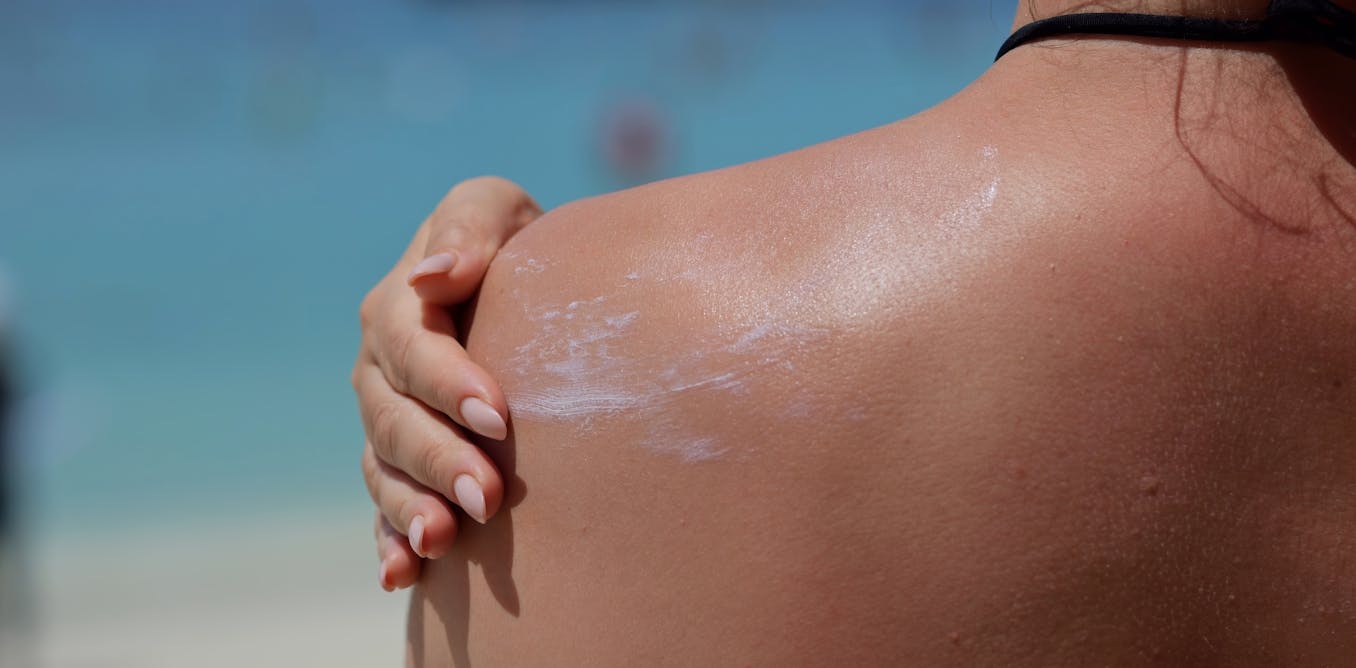
When TV personality Danielle Lloyd received a melanoma diagnosis earlier this year, she confronted not only the anxiety of cancer treatment but also a troubling phenomenon: influencers promoting dangerous misinformation about sun protection.
The 41-year-old, who had a suspicious mole removed and awaits results from a second biopsy, has become an outspoken critic of social media personalities who mislead their followers about sunscreen products. Her experience highlights a growing public health concern that extends far beyond skin cancer.
Medical experts warn that cancer misinformation can have life-threatening consequences. False claims can lead patients to delay or completely avoid essential treatments, while simultaneously eroding trust in healthcare professionals who provide evidence-based care.
“The spread of misinformation is particularly dangerous with cancer because patients are vulnerable and seeking hope,” explains Dr. Sarah Reynolds, an oncologist at Memorial Cancer Institute. “When influencers with large platforms promote unproven remedies or dismiss conventional treatments, they’re putting lives at risk.”
What makes cancer misinformation so persuasive is how it taps into human psychology. When confronted with a cancer diagnosis, patients experience fear, confusion, and a desperate desire for control—emotional states that make people susceptible to messages offering simple solutions and certainty.
While evidence-based medicine acknowledges complexity and uncertainty, misinformation often presents comforting absolutes. Fake cancer claims eliminate the uncertainty about whether treatments will work or if cancer might return, providing false reassurance that can feel more satisfying than medical reality.
Social media algorithms further amplify problematic content. Posts generating strong emotional reactions—particularly fear—receive more engagement, making alarming claims appear more credible or widespread than they actually are. This digital ecosystem benefits influencers and unqualified practitioners who profit from promoting pseudoscientific alternatives to conventional treatment.
Research in health communication reveals that message framing plays a crucial role in how cancer information spreads. Studies published in journals like Science Direct show that humans respond more intensely to messages focused on potential losses rather than possible gains—a phenomenon known as “loss aversion” in behavioral economics.
This psychological tendency makes cancer misinformation particularly dangerous. False claims highlighting frightening losses—such as alleged hidden side effects or conspiracy theories about harmful treatments—trigger powerful emotional responses that can override rational thinking.
“Even when presented with correct medical information, the emotional weight of loss-framed cancer misinformation can be difficult to overcome,” notes Dr. Michael Chen, health communication researcher at Northwestern University. “Our brains are wired to pay more attention to threats and negative information, especially during times of stress and uncertainty.”
The impact is tangible. A 2022 survey by the American Society of Clinical Oncology found that 37% of cancer patients reported encountering claims that made them question their treatment plan, with nearly one in five delaying recommended therapy to explore alternatives promoted online.
Public health experts are now focusing on “prebunking” as an effective strategy against cancer misinformation. Rather than debunking false claims after they’ve taken hold, prebunking teaches people to recognize deceptive tactics before encountering them.
This approach trains patients to identify common manipulation techniques such as fear-mongering, promises of miracle cures lacking scientific evidence, and misleading statistics that distort medical facts. Research from Harvard’s Misinformation Review suggests that understanding these strategies makes people significantly less likely to accept false claims.
“Prebunking empowers patients to navigate the emotional landscape of cancer information more effectively,” says digital literacy expert Dr. Lisa Martinez. “By recognizing manipulation tactics, patients can pause and seek reliable sources before making critical health decisions.”
The scientific community continues to emphasize the importance of evidence-based decision-making. As the late scientist Carl Sagan famously stated, “Extraordinary claims require extraordinary evidence”—a principle particularly relevant when evaluating cancer information that sounds too good to be true or unnecessarily alarming.
For patients like Danielle Lloyd, speaking out against cancer misinformation represents not just personal advocacy but a crucial public health service as cases of preventable skin cancer continue rising globally, particularly among younger demographics targeted by social media influencers.
Fact Checker
Verify the accuracy of this article using The Disinformation Commission analysis and real-time sources.

12 Comments
Troubling to see misinformation taking advantage of vulnerable cancer patients. Medical experts are right to warn about the serious risks. Promoting unproven remedies over proven treatments is highly irresponsible and can have devastating consequences.
Agreed. It’s crucial that people seek out trusted, evidence-based information from medical professionals rather than unqualified influencers online.
This is a really concerning trend. Medical experts are absolutely right that cancer misinformation can have life-threatening consequences. Influencers need to be extremely cautious about the advice they provide, as their platforms can have a major impact on vulnerable people’s health decisions.
Fully concur. Promoting unproven remedies over conventional cancer treatments is highly irresponsible and can erode public trust in the healthcare system. Factual, evidence-based information should always take priority.
This is a really disturbing example of how social media can enable the spread of harmful misinformation, especially around sensitive health issues like cancer. Influencers need to be held accountable for the advice they provide to vulnerable audiences.
Exactly. The consequences of this kind of reckless behavior can be catastrophic. Medical experts must continue calling it out and emphasizing the importance of evidence-based cancer care.
This is a complex issue. On one hand, I can understand the desire for alternative or complementary approaches. But on the other, dismissing conventional cancer treatments in favor of unproven remedies is extremely dangerous. Influencers need to be very careful about the advice they give.
Absolutely. Spreading misinformation, even if well-intentioned, can have life-threatening impacts. Patients deserve access to factual, science-based information to make informed decisions about their care.
It’s a shame to see influencers with large platforms undermining public health by promoting unproven cancer treatments. While alternative approaches may have a place, they should never replace proven medical interventions. Patients deserve access to factual, science-based information.
Totally agree. Danielle Lloyd is right to call attention to this issue. Spreading misinformation, even if unintentional, can lead to devastating outcomes for cancer patients and their families.
Kudos to Danielle Lloyd for speaking out against this troubling trend. Cancer patients are in a vulnerable position and need support, not false hope. Influencers should stick to their expertise and avoid making dangerous medical claims.
Well said. We need more public figures willing to confront misinformation head-on and direct people towards legitimate medical resources. Promoting unproven remedies undermines public trust in healthcare.