


Listen to the article
Misinformation Hampered Brown University Shooting Investigation, Officials Say
Rhode Island officials have criticized the widespread misinformation that significantly complicated their investigation into the fatal shooting at Brown University that left two students dead and multiple others wounded.
At a Thursday press conference, authorities identified the shooter as Claudio Neves Valente, a 48-year-old Portuguese national who had attended Brown decades earlier. Investigators confirmed Neves Valente acted alone and was later found dead from a self-inflicted gunshot wound in a storage unit in New Hampshire.
“Criminal investigations are grounded in evidence, not speculation or online commentary,” said Colonel Darnell Weaver, superintendent of the Rhode Island State Police. “The endless barrage of misinformation, disinformation, rumors, leaks and clickbait were not helpful in this investigation. Distractions and unfounded criticisms do not support this work. They complicate it and threaten to undermine the justice we seek.”
Throughout the multi-day manhunt, social media platform X became ground zero for unfounded claims about the shooter’s identity. Anonymous accounts and right-wing personalities widely circulated false allegations that the shooter was a Palestinian student currently enrolled at the Ivy League institution.
The misinformation campaign gained significant traction on Monday when an anonymous X account posted photos and videos of a student named Mustapha Kharbouch alongside surveillance footage that police had released of their person of interest. The false narrative gained further momentum when university web pages mentioning Kharbouch appeared to have been removed, which conspiracy theorists seized upon as evidence of a cover-up.
Law enforcement officials expressed frustration that these baseless claims diverted resources and attention from the actual investigation, potentially delaying the identification of the real perpetrator. The incident highlights the growing challenge authorities face in managing public communication during crisis events in an era of instantaneous social media speculation and politically-motivated disinformation.
Brown University, one of America’s oldest and most prestigious educational institutions, now faces the difficult task of healing its community while addressing the rampant misinformation that circulated during the investigation. Campus officials have emphasized the importance of relying on official communications rather than social media speculation during critical incidents.
The shooting represents one of the most significant acts of violence in the university’s history and comes amid heightened tensions at many American campuses over various political issues, including the ongoing conflict in the Middle East. Some observers have noted that the false allegations appeared designed to inflame these existing tensions.
Digital misinformation experts point to this case as an example of how quickly false narratives can spread during breaking news events, particularly when they align with existing political narratives or biases. The speed at which the false identification spread highlights concerns about the responsibility of social media platforms in moderating unverified claims during active public safety incidents.
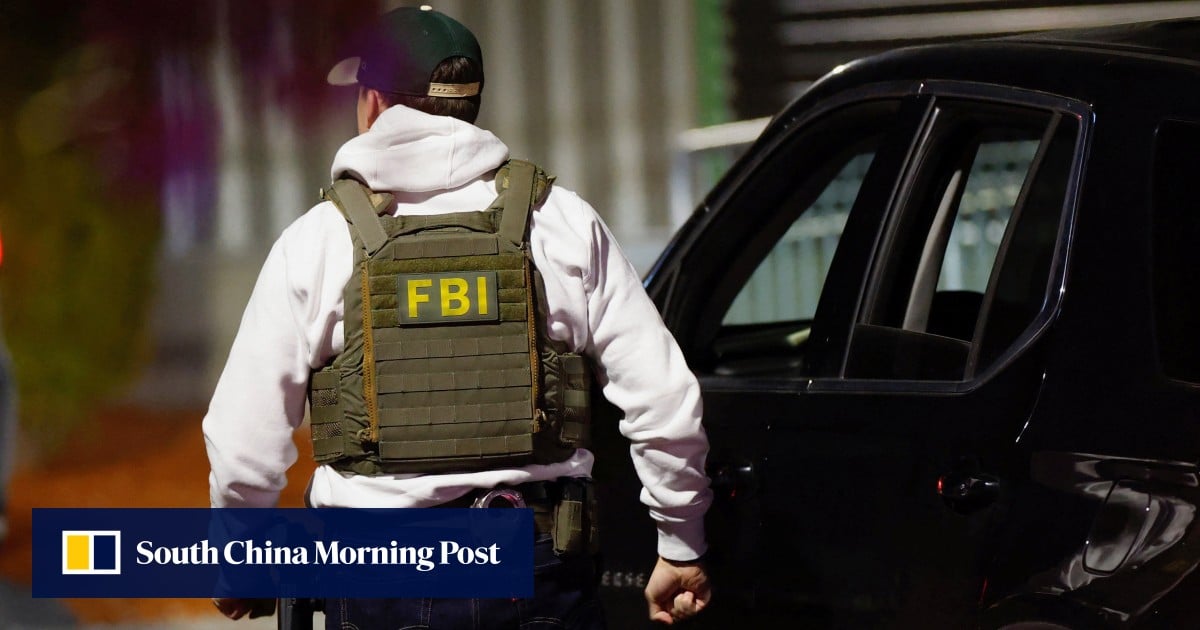
The FBI and other federal agencies assisted local law enforcement in the investigation, which ultimately determined that Neves Valente had no known connection to terrorist organizations or ideological motives. Authorities are continuing to investigate his background and potential motives for the shooting.
As the Brown University community begins the healing process, law enforcement officials emphasized that the investigation would continue to establish a complete timeline of events and determine what factors led to the tragedy. The families of the victims have requested privacy as they cope with their losses.
The incident serves as a sobering reminder of both the ongoing challenge of gun violence in American educational institutions and the increasingly complex information environment that can hinder public safety responses during critical incidents.
Fact Checker
Verify the accuracy of this article using The Disinformation Commission analysis and real-time sources.

10 Comments
The police superintendent’s comments highlight the real-world consequences of misinformation and irresponsible online behavior. We should all be more mindful about verifying claims before spreading them, especially around sensitive issues like this.
This is a tragic situation. It’s unfortunate that misinformation and online rumors complicated the investigation. Spreading unverified claims can hinder law enforcement efforts and distract from the real facts.
I agree, the misinformation spread on social media was very problematic. Responsible journalism and factual reporting are crucial during sensitive investigations like this. Speculation and rumors shouldn’t take priority over the actual evidence.
This is a concerning development. Misinformation and online smears should never be allowed to derail serious criminal investigations. Authorities need the public’s cooperation and trust to effectively pursue justice in cases like this.
This highlights the need for greater digital media literacy and responsible social media use. Verifying information before sharing it can help prevent the spread of harmful falsehoods that disrupt important police work.
Agree, we all have a role to play in combating the tide of misinformation online. Taking the time to fact-check claims before amplifying them is critical, especially around sensitive issues like this.
This is a sobering example of how misinformation can complicate and obstruct legitimate law enforcement efforts. Responsible reporting and digital citizenship are essential to upholding the integrity of criminal investigations.
It’s deeply troubling that misinformation and unfounded rumors impeded the investigation into this tragic shooting. Authorities must be able to do their jobs without being undermined by online speculation and political agendas.
It’s concerning to hear that right-wing disinformation played a role in hampering the investigation. Law enforcement deserves support to do their jobs effectively and bring justice without political interference or online smears.
Absolutely, the integrity of criminal investigations must be protected from partisan agendas or sensationalism. Spreading misinformation only serves to undermine the truth and complicate the pursuit of justice.