


Listen to the article
Social media has shifted global perceptions of the Israeli-Palestinian conflict, challenging long-established narratives and reshaping international public opinion, according to observers monitoring the ongoing crisis in Gaza and the West Bank.
Since October 2023, the conflict has resulted in an estimated 50,000 casualties, with women and children comprising a significant portion of those killed. More than 100,000 people have reportedly been injured, many suffering life-altering wounds including lost limbs. These figures have sparked widespread international concern about the humanitarian situation.
International aid organizations have repeatedly raised alarms about the blocking of essential supplies to Gaza. Reports indicate severe shortages of medical equipment, food, and even drinking water for civilians in the region. The United Nations and multiple humanitarian groups have characterized the situation as a dire humanitarian emergency requiring immediate international intervention.
The detention conditions for Palestinians have drawn increasing scrutiny from human rights organizations. Reports from former detainees allege various forms of mistreatment. The issue of long-term detention without trial has been flagged by international legal experts as potentially violating established protocols on treatment of civilians in conflict zones.
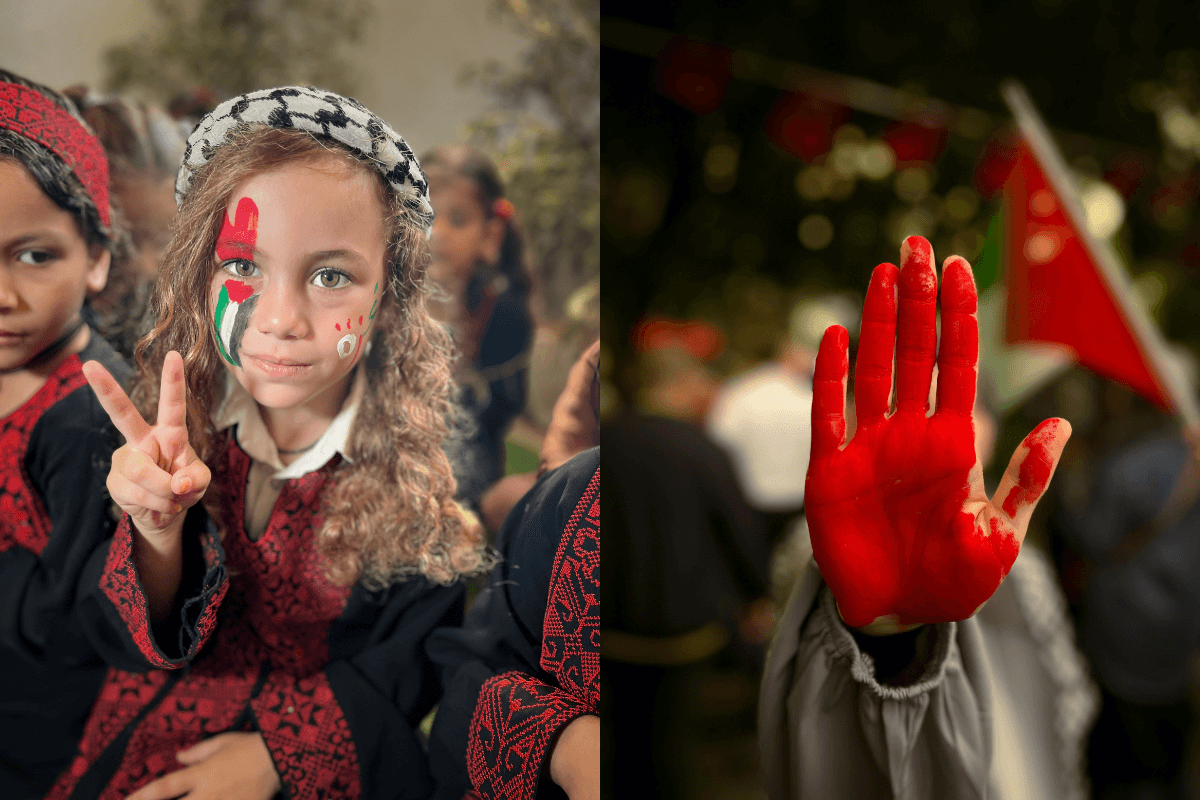
Media coverage of the conflict has undergone a fundamental transformation in recent years. Traditional Western media outlets, which once dominated the narrative, now compete with direct reporting from individuals on social media platforms. This democratization of information has significantly altered how the conflict is perceived globally.
“The widespread use of smartphones and social media platforms has created an environment where firsthand accounts can reach global audiences instantly,” notes Dr. Sarah Levin, a media studies professor at Columbia University. “This bypasses traditional gatekeepers and allows for more diverse perspectives to shape public understanding.”
Tech platforms including TikTok, Instagram, YouTube, and Twitter/X have become primary sources of information for many, particularly younger demographics. Unfiltered content showing the human impact of the conflict has resonated strongly with international audiences, challenging official narratives from both sides.
This shift has particularly affected Israel’s ability to communicate its position effectively, according to political analysts. For decades, Israel maintained considerable influence in shaping Western perceptions of the conflict through strategic communication and diplomatic channels. The current media environment has made this significantly more challenging.
Within Israeli society itself, diverse perspectives exist regarding the conflict. Orthodox Jewish communities have reportedly maintained different relationships with Palestinians compared to more recent immigrants from Europe and the United States. Some Orthodox groups have participated in rallies supporting Palestinian rights, reflecting the complexity of positions within Israeli society.
The international response has varied significantly by region. European nations like Ireland and Spain have been vocal in their criticism of the Israeli government’s actions and have called for an independent Palestinian state. In the United States, university campuses have become centers for demonstrations supporting Palestinian rights.
The response from Arab nations has been mixed. While Iran, Yemen, Indonesia, and Malaysia have consistently voiced support for Palestinians through various means including financial aid and diplomatic backing, some oil-rich Arab states have taken more measured positions. Iran marks the last Friday of Ramadan as a day of solidarity with Palestinians, while Yemen has taken more direct action despite its own economic challenges.
One tangible consequence of the conflict has been the departure of some Jewish settlers from contested areas. Political analysts suggest that concerns about long-term security may prevent many from returning, potentially affecting settlement patterns in disputed territories.
The evolving situation continues to draw international attention, with humanitarian organizations, diplomatic missions, and the United Nations all working to address the crisis. As social media continues to shape global perceptions, the long-term impact on peace prospects and regional stability remains uncertain.
Fact Checker
Verify the accuracy of this article using The Disinformation Commission analysis and real-time sources.

11 Comments
Disturbing to hear about the detention conditions and alleged mistreatment of Palestinians. Human rights must be upheld, regardless of the political dynamics at play. I hope more light can be shed on these issues through investigative reporting.
This article highlights the power of social media to shape international perceptions of conflicts. I’m curious to learn more about the specific tactics and platforms being used to manipulate narratives around the Israel-Palestine issue. Understanding these dynamics is key.
Absolutely. Uncovering the methods of social media-driven narrative manipulation is essential for countering misinformation and ensuring the public has access to accurate, impartial information about this crisis.
The humanitarian toll described here is truly devastating. I hope the international community can come together to address the urgent needs on the ground and find diplomatic solutions to end the violence. Protecting civilian lives must be the top priority.
Interesting article on the manipulation of media narratives around the Israel-Palestine conflict. It’s clear the humanitarian situation on the ground is extremely dire, with high casualties and shortages of critical supplies. Monitoring global perceptions and challenging long-held narratives is so important here.
Agreed, the humanitarian crisis requires urgent international intervention. Blocking essential aid to civilians is unacceptable – the UN and aid groups must be granted full access to provide relief.
The statistics on casualties and injuries are truly heartbreaking. This crisis demands urgent humanitarian aid and diplomatic solutions to protect civilian lives. I’m curious to learn more about the specific supply chain blockages hindering relief efforts.
Yes, the impediments to delivering essential supplies like medical equipment, food, and clean water must be addressed immediately. All parties involved need to allow unhindered access for aid organizations.
Appreciate the summary of this complex, longstanding conflict. It’s clear the stakes are extremely high, with the potential for far-reaching regional and global implications. Careful, nuanced reporting will be crucial to navigating this crisis effectively.
This conflict has been shaped by competing narratives for decades. While the human toll is devastating, I’m curious to learn more about how social media has shifted global perspectives recently. What specific challenges are emerging in covering the crisis objectively?
That’s a great point. Social media has democratized information sharing, but also amplified biases and misinformation. Unraveling the truth from the rhetoric will be crucial for driving meaningful progress.