


Listen to the article
Trump’s Executive Order Accelerates Psychedelics Research for Mental Health Treatment
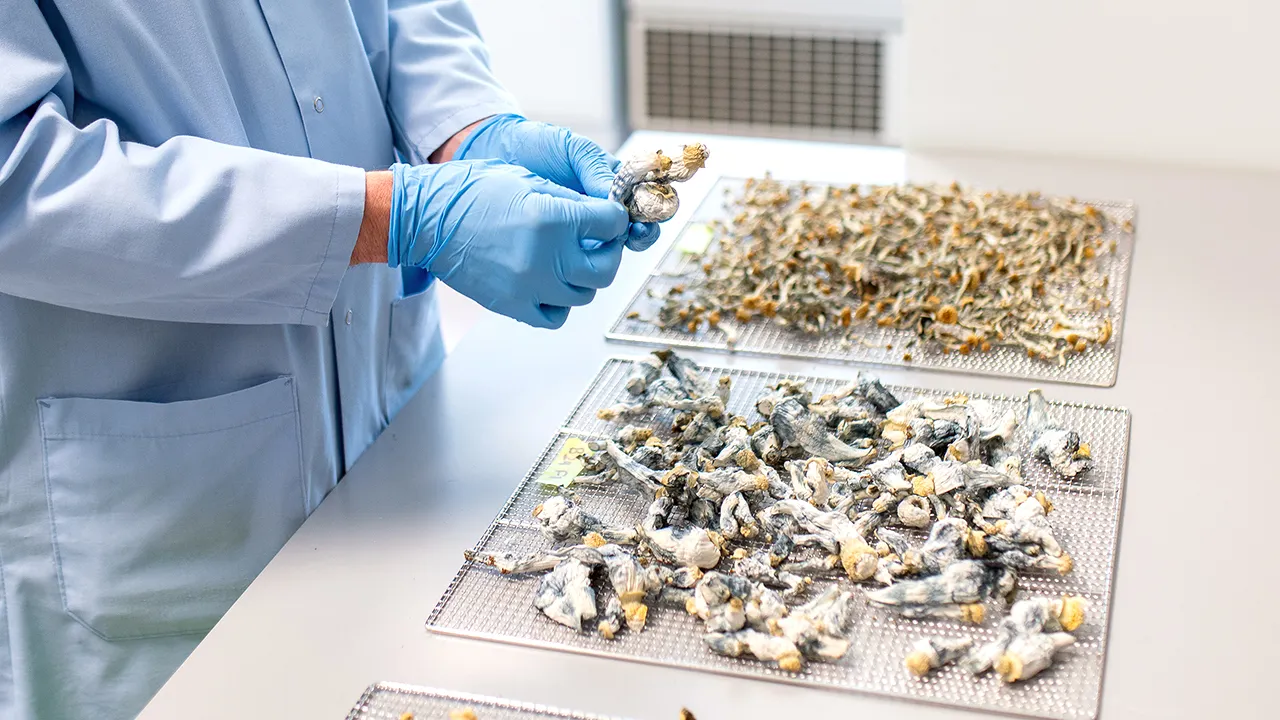
President Donald Trump has signed an executive order aimed at fast-tracking research, funding, and potential FDA approval of psychedelic drugs for treating mental health conditions. The order specifically targets substances like ibogaine, psilocybin, LSD, and MDMA, with a primary focus on addressing PTSD, depression, and addiction.
The move has generated significant reaction from medical professionals and veterans’ advocates, with opinions divided on the implications of accelerating research into these controversial substances.
Psychedelics are psychoactive compounds that primarily work through serotonin pathways in the brain. Research into their therapeutic potential has been gaining momentum in recent years, with several clinical trials showing promising results for treatment-resistant mental health conditions.
“The president’s action today opens a pathway to research that will further open doors to expedited approval of this life-saving medicine as a treatment for our veterans — and society — who have suffered for decades from treatment-resistant PTSD, TBI (traumatic brain injury) and depression,” said Jay Kopelman, former Marine Corps lieutenant colonel and CEO of Mission to Live Foundation in San Diego.
One key provision of the executive order requires the VA Health System to begin conducting psychedelics research and clinical trials, making these treatments potentially available to veterans for whom traditional treatments like SSRIs and talk therapy have proven ineffective.
Dr. Marc Siegel, Fox News senior medical analyst, expressed support for the initiative, noting that psychedelics show “big potential” for severe depression and PTSD cases.
“It changes brain chemistry in a way that can provide more modulation of dopamine, serotonin and other neurochemicals, making a patient less fearful,” Dr. Siegel explained. “At the same time, the psychiatric impact of psychedelics can be useful to change perception in a positive way.”
Juliana Mercer, a 16-year Marine Corps veteran who now serves as executive director of a New York-based nonprofit dedicated to advancing psychedelic-assisted therapy, called the president’s order a “meaningful step” forward.
“The people who need this most are those who have already tried everything and found no real relief,” Mercer said. “I think about veterans I served with, people who have done years of therapy, cycled through medications, and are still carrying the weight of their service. Too many are still losing that fight at home.”
Potential Risks Raise Concerns
Despite the enthusiasm from supporters, several experts have expressed serious reservations about the executive order’s approach.
Kevin A. Sabet, Ph.D., president and CEO of the Foundation for Drug Policy Solutions, criticized the initiative as putting “politics and hype ahead of science” by suggesting that substances like ibogaine could serve as medical treatments despite significant safety concerns.
“Ibogaine remains a Schedule I substance with serious safety concerns, including documented cardiotoxicity and deaths,” Sabet warned. “[The government] should not normalize unproven and risky drugs under the guise of helping those who have served our country.”
Kopelman acknowledged these risks, particularly noting ibogaine’s “cardiotoxicity properties” that can potentially lead to heart arrhythmia or even heart attack. However, he emphasized that these risks can be mitigated through “rigorous medical examinations” and proper monitoring during treatment.
Dr. Siegel also cautioned about the dangers of improper prescribing by unqualified practitioners, noting that “unfettered recreational use and microdosing can increase the risk of psychosis and other anxiety disorders.”
The Path Forward
While the executive order represents a significant step toward potential FDA approval for psychedelic therapies, experts emphasize that these substances must still complete the standard regulatory pathway, including clinical trials and rescheduling from their current Schedule I status.
“Veterans and others will still be waiting unless we also build the systems to provide this safely at scale, trained providers, reimbursement pathways and clinical care models,” Mercer noted. “This is the gap we’ve been highlighting for years, and it still needs to be closed.”
Kopelman stressed the importance of proper implementation, warning that “one misstep could overturn and sink this entire effort.”
A critical component of successful psychedelic therapy, according to experts, is the integration work that follows treatment. “Most important is the post-medicine integration work that requires multiple therapy sessions overseen by a trauma-informed psychedelic therapist,” Kopelman explained. “It’s not like prescribing someone a Tylenol and sending them home — these medicines require medical oversight.”
He concluded with an important caveat: “Psychedelics are not a panacea. They are a gateway to healing — but the real work begins after treatment.”
As research accelerates under this executive order, the medical community will be watching closely to see whether these controversial substances might eventually transform treatment options for millions of Americans suffering from treatment-resistant mental health conditions.
Fact Checker
Verify the accuracy of this article using The Disinformation Commission analysis and real-time sources.

12 Comments
The use of psychedelics in medicine is a sensitive and contentious topic, with valid concerns on both sides. I’ll be following this story closely to see how the research and approval process navigates the complex issues involved.
Psychedelic therapy is a complex and multifaceted issue. While the potential benefits are exciting, the risks and ethical considerations around these powerful substances cannot be overlooked. I hope the research process is transparent and inclusive of diverse perspectives.
This executive order on psychedelics has certainly stirred up a lot of debate. I can understand the excitement about the therapeutic potential, but also the worries about safety and regulation. It will be interesting to see how the research and approval process navigates these tricky issues.
As someone with a background in mental health, I have mixed feelings about this move. The research on psychedelics is promising, but the history of these substances is also fraught. I hope the process going forward is thoughtful, transparent, and puts the wellbeing of patients first.
Accelerating research into psychedelic therapies could offer hope for those struggling with treatment-resistant mental health issues. However, the controversial history of these drugs means a careful, evidence-based approach is crucial to ensuring their safe and responsible use.
The use of psychedelics in medicine is a complex and nuanced issue. I’m glad to see the potential for new treatments being explored, but the risks and ethical considerations cannot be overlooked. I’ll be following this story closely to see how the research and approval process unfolds.
This is a fascinating development in the medical use of psychedelics. While the research shows promise, there are still many unanswered questions about the safety and regulation of these powerful substances. I hope the fast-tracking approach is balanced with appropriate caution and oversight.
As someone who has experienced the profound impact of psychedelics, I’m cautiously optimistic about this move. The key will be ensuring a rigorous scientific process that prioritizes safety and patient wellbeing over political or commercial interests. With the right approach, this could be transformative.
Psychedelics have long been a taboo topic in medicine, but the growing body of research on their therapeutic potential is hard to ignore. This executive order could be a significant step towards mainstreaming these treatments, though a lot will depend on the details of how the process is managed.
This is a bold and potentially disruptive move in the world of mental health treatment. I’m curious to see how the research and regulatory process unfolds, and whether it can deliver on the promise of psychedelic therapies in a responsible and effective way.
Psychedelic therapy is a fascinating and complex area of medicine. While the potential benefits are tantalizing, the risks and ethical concerns need to be taken seriously. I’ll be watching to see how this plays out, with an open mind but also a critical eye.
Fast-tracking psychedelic research could open up new avenues for treating difficult mental health conditions. However, the history of these substances means a cautious, evidence-based approach is crucial. I hope the process is transparent and inclusive of diverse perspectives.