


Listen to the article
The heartbeat behind the victory: Golfers’ wearable tech sparks health monitoring debate
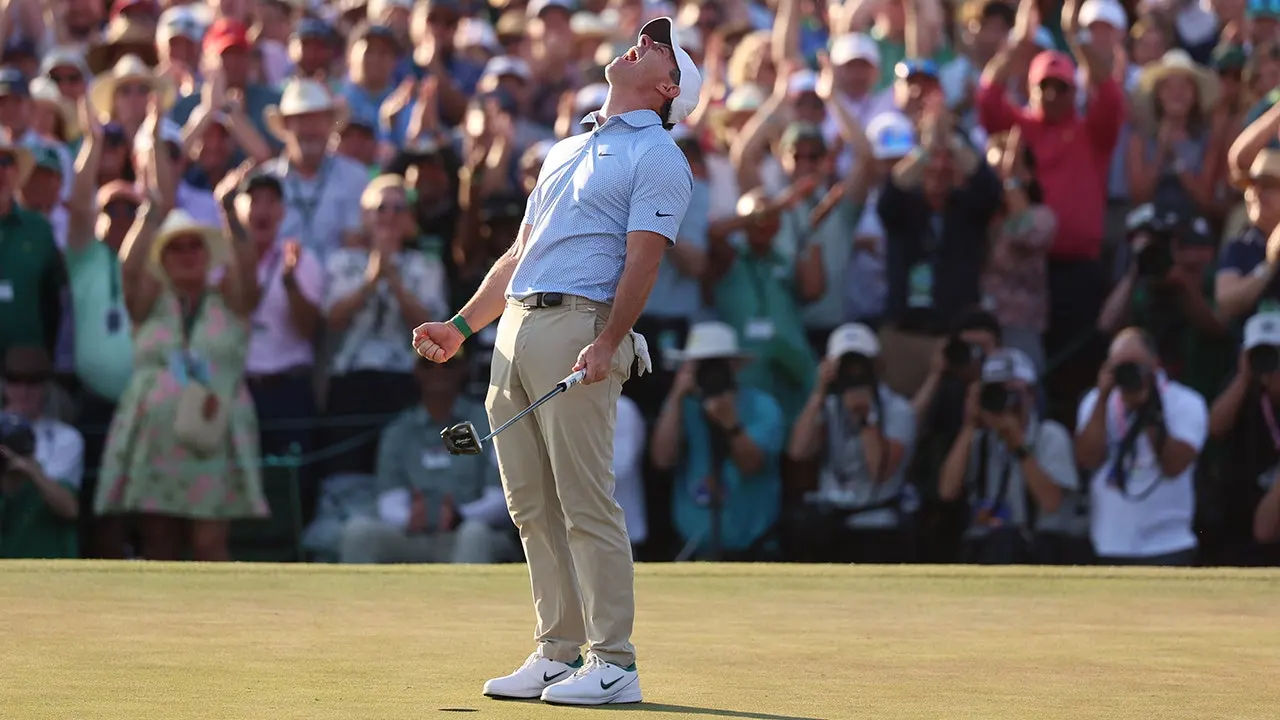
The roar of the crowd at the Masters is a familiar sound, but during Rory McIlroy’s final hole victory, he was tracking a different kind of data: the rhythm of his heart.
As the golfer secured his win, his wearable device revealed a heart rate of 117 beats per minute on his first putt, soaring to 150 during the post-win celebration, according to data released from his fitness wearable on Monday.
For McIlroy, the device functions as both a performance tracker and a tool for managing the golfer’s long-term heart condition. He shared his myocarditis diagnosis, which he received at the age of 20, in a podcast interview with the brand Whoop.
“I can wear Whoop, and I can monitor my HRV, my heart rate… just to be able to keep on top of that, it just gives me massive peace of mind,” McIlroy said.
This high-profile example highlights the growing prevalence of health-tracking wearables across both professional sports and everyday life, prompting medical experts to weigh in on their benefits and potential drawbacks.
New York-based medical expert Dr. Mike Varshavski expressed caution about consumer-grade fitness trackers in a Tuesday interview on “Fox & Friends.” While acknowledging their value for professional athletes like McIlroy, he voiced concerns about average users relying too heavily on these devices.
“I would never recommend a consumer-grade device to track a true medical condition. This is not what these devices are intended to do,” Varshavski warned.
The wearable technology market has exploded in recent years, with devices from companies like Whoop, Oura, and Apple becoming increasingly sophisticated in their health monitoring capabilities. Industry analysts project the global wearable technology market to reach $380 billion by 2028, with health monitoring features driving significant growth.
These devices track metrics including heart rate variability (HRV), sleep quality, respiratory rate, and recovery status—data points once available only in clinical settings. For athletes like McIlroy, such information can provide crucial competitive advantages and health insights.
Host Lawrence Jones shared his experience using multiple devices, including the Whoop, Oura Ring, and Apple Watch, noting that the data helps him understand his recovery and identify areas for improvement.
“Sometimes you don’t understand if you’re in a deep sleep, for example, or you may have gotten eight hours, but you weren’t really, you were tossing and turning,” Jones explained.
However, Varshavski cautioned that an obsession with health metrics can sometimes backfire. “When you start losing track of that by focusing on the numbers, not how you actually feel, I feel that disconnects you with your own body,” he said.
The physician highlighted a growing medical concern called “orthosomnia,” where users become so fixated on optimizing their sleep metrics that it actually creates sleep anxiety—potentially worsening the very condition they’re trying to improve.
The debate reflects broader questions about how technology interfaces with personal health. While wearables have democratized access to health data, medical professionals worry about misinterpretation of results, unnecessary anxiety, and potential over-reliance on consumer devices for medical conditions that require professional oversight.
Jones emphasized that for many people who have historically focused only on external appearance rather than internal health metrics, these devices provide an important gateway to greater health awareness.
The fitness tracking trend comes amid rising healthcare costs and growing interest in preventative health measures. Many health insurance companies now offer incentives for using fitness trackers, recognizing their potential to encourage healthier behaviors and possibly reduce long-term medical expenses.
Varshavski acknowledged the motivational benefits of wearable technology as long as users maintain realistic expectations. He suggested treating these devices like any other piece of fitness equipment—useful tools that can enhance wellness routines without becoming the sole focus.
“We can treat these devices like we would a new pair of running shoes. You know, if that gets you excited to get an exercise program, why not? Let’s make use of it,” Varshavski concluded.
As the technology continues to evolve, finding the balance between leveraging data for improved health outcomes while avoiding obsessive tracking will likely remain a key challenge for both users and healthcare providers alike.
Fact Checker
Verify the accuracy of this article using The Disinformation Commission analysis and real-time sources.

9 Comments
This article highlights an important nuance in the wearable tech discussion. While devices like Whoop can be helpful for elite athletes managing specific conditions, the doctor’s warning about potential downsides for everyday users is well worth heeding.
Absolutely. The technology is advancing rapidly, but we need to ensure the benefits outweigh the risks, especially for non-professional users.
The doctor’s caution about fitness trackers is well-founded. While they can provide useful data, becoming overly fixated on the numbers can backfire and lead to unnecessary anxiety. Moderation and balance are key when using these devices.
The McIlroy example shows how wearable tech can be a valuable tool for professional athletes managing health conditions. But the doctor’s caution is a good reminder that these consumer devices have limitations and shouldn’t be over-relied upon, even for elite performers.
Interesting to see the debate around the benefits and drawbacks of consumer health-tracking wearables. I can see both sides – they can provide valuable insights, but also risks creating an unhealthy obsession with the data. As with most technology, it’s about finding the right balance.
Myocarditis is a serious condition, so I’m glad to see McIlroy taking proactive steps to monitor his heart health. The data from his wearable device seems to have given him peace of mind during his big Masters win.
Agreed. Managing a chronic condition like that requires a nuanced approach. Wearables can be a helpful tool, but shouldn’t be over-relied upon at the expense of personalized medical care.
Fascinating to see top athletes leveraging wearable tech to monitor their health. But as the doctor warns, these consumer devices have limitations and can potentially backfire if users become overly fixated on the data. Careful interpretation and balance is key.
Well said. Health tracking tech is a double-edged sword – it can provide valuable insights, but also risks causing unnecessary anxiety if not used thoughtfully.