


Listen to the article
Innocent Sydney Man Faces Harassment After Social Media Misidentification in Bondi Attack
A Sydney resident has become the target of online harassment and threats after being wrongly associated with the recent Bondi Beach attack, highlighting the dangerous speed at which misinformation spreads on social media platforms.
The man, who happens to share the same name as the actual suspect in the Bondi Junction Westfield stabbing, found himself at the center of a digital witch hunt when social media users mistakenly identified him as the perpetrator. Within hours of the attack, his personal information was widely circulated across multiple platforms, leading to a barrage of threatening messages and calls.
“I started receiving hundreds of notifications and messages from strangers accusing me of something I had nothing to do with,” the man told reporters, requesting his name be withheld to prevent further harassment. “Some people were threatening violence against me and my family before I even understood what was happening.”
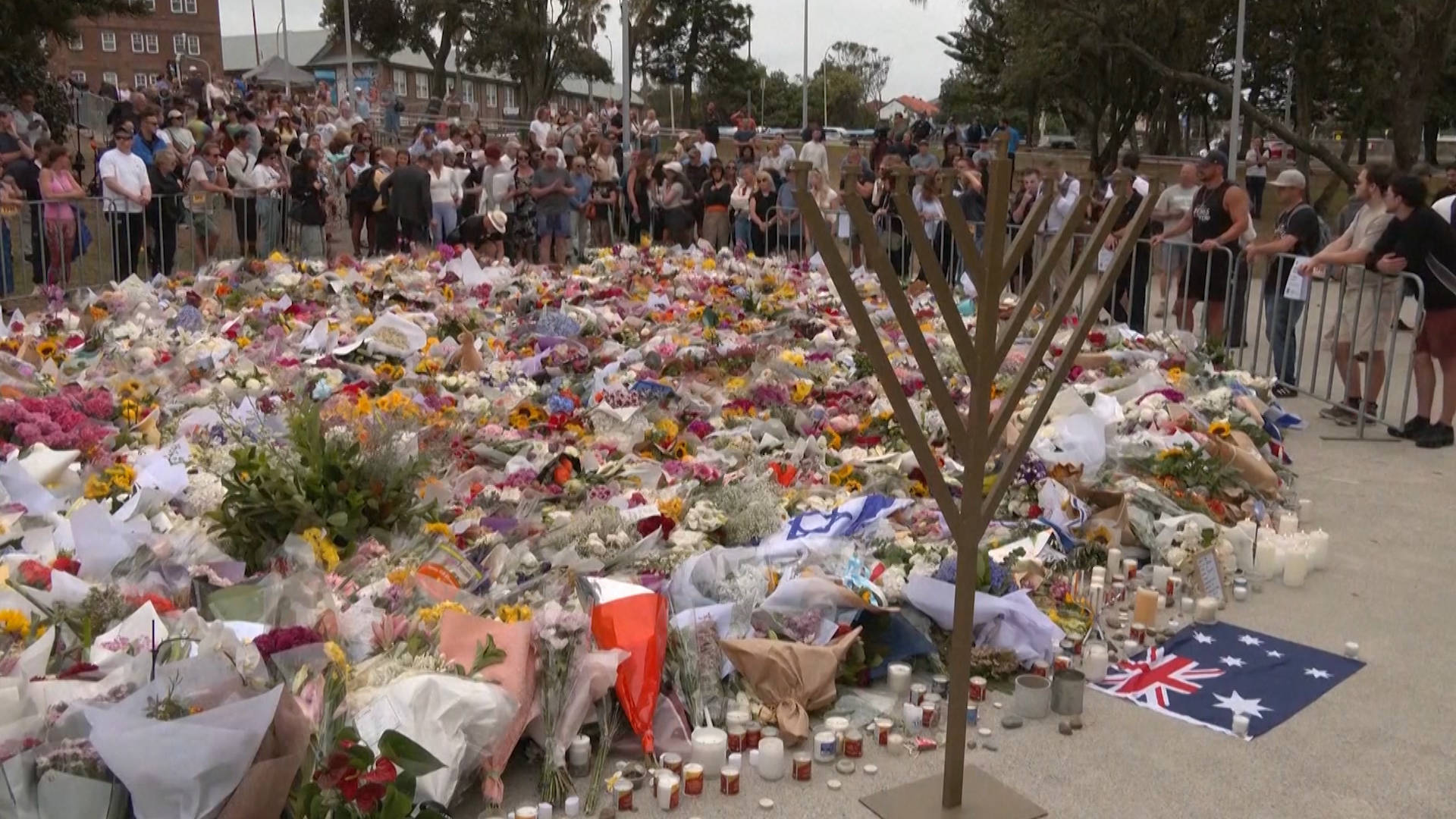
The Bondi Junction attack, which left multiple people injured and sent shockwaves through the community, prompted an immediate search for information online. In the information vacuum that followed the incident, social media users began speculating about the attacker’s identity, eventually landing on the wrong person.
Digital rights advocates say this case exemplifies a growing problem with social media’s role in breaking news situations. Dr. Eleanor Morgan, a media ethics researcher at the University of Sydney, explained that the pressure to be first with information often outweighs accuracy considerations in digital spaces.
“What we’re seeing is the dark side of instantaneous communication. Platforms designed for rapid sharing become perfect vectors for misinformation during crises,” Morgan said. “Once false information gains momentum, it can be nearly impossible to contain.”
Police officials have condemned the online vigilantism, issuing statements clarifying that the targeted individual had no connection to the attack. “Spreading unverified claims about suspects not only harms innocent individuals but can also impede ongoing investigations,” said Deputy Commissioner Mark Sullivan of the New South Wales Police Force.
The platforms involved have faced criticism for their slow response in removing the false accusations. Despite multiple reports from the victim and official requests from authorities, posts identifying him remained visible for several hours, accumulating thousands of shares and comments.
A spokesperson for one of the major platforms involved stated they had “activated enhanced moderation protocols” following the incident, but defended the response time as “consistent with our crisis response procedures.” Digital rights groups have characterized this reaction as inadequate.
This incident adds to growing concerns about the role of social media in amplifying false information during crisis events. In recent years, similar cases of misidentification have occurred following major incidents in cities around the world, often targeting people from minority communities or those with foreign-sounding names.
The falsely accused Sydney man has engaged legal representation to address the damage to his reputation. His lawyer indicated they are exploring possible legal action against both individuals who shared the false information and the platforms that hosted it.
“The psychological impact on my client has been severe,” the lawyer stated. “He’s faced death threats, had to take leave from work, and remains concerned for his safety even after police clarification.”
Media literacy experts suggest this case demonstrates the need for greater public awareness about information verification. “People need to understand that the first information shared during a crisis is often wrong,” said Communications Professor James Hendricks from RMIT University. “Waiting for official confirmation before sharing accusations could prevent ruining innocent lives.”
Australian authorities have indicated they may use this case to advance discussions about strengthening laws regarding digital defamation and the responsibilities of social media companies operating in the country.
For the wrongly accused man, the incident has permanently altered his digital presence. “Even with corrections issued, my name will forever be associated with this attack in search results,” he said. “The damage doesn’t simply disappear when the truth comes out.”
Fact Checker
Verify the accuracy of this article using The Disinformation Commission analysis and real-time sources.

10 Comments
This is a cautionary tale about the dangers of social media misinformation and how it can ruin innocent lives. The authorities must act quickly to identify the real suspect and provide support to the wrongly accused person, who is clearly suffering undeserved harassment and threats.
Absolutely. The speed and scale at which false information can spread online is alarming. This case underscores the need for greater digital media literacy and fact-checking to prevent such harmful outcomes.
This is a distressing situation. While the public’s desire for information is understandable, the rush to judgment and online harassment faced by this innocent person is unacceptable. I hope the authorities can swiftly identify the true perpetrator and provide support and protection to the wrongly accused individual.
I agree, the mob mentality and lack of due process in this case is deeply concerning. The wellbeing of the wrongly accused should be the top priority now.
The speed at which false information can spread online is truly alarming. This case highlights the need for greater digital literacy and fact-checking, to prevent innocent people from being unfairly targeted. I hope the authorities can find the actual suspect and provide support to the wrongly accused individual.
Absolutely. With the ease of sharing information online, it’s critical that people verify claims before spreading them, to avoid causing unwarranted harm. Responsible use of social media is so important.
It’s deeply troubling to see an innocent person become the target of online harassment due to a case of mistaken identity. This incident highlights the urgent need for better safeguards against the spread of misinformation and unwarranted public shaming on social media platforms. I hope the authorities can swiftly address this situation and provide support to the wrongly accused individual.
Yes, this is a heartbreaking situation. The wrongly accused person deserves justice and protection from further harassment. Stronger measures are needed to combat the spread of misinformation and hold those responsible accountable.
This is a concerning case of mistaken identity and online harassment. It’s a sobering reminder of how quickly misinformation can spread and the real-world consequences it can have for innocent people. Hopefully the authorities can address this situation and prevent further harm to the wrongly accused individual.
Agreed, mob justice and trial by social media can be incredibly damaging. I hope the authorities can identify the real perpetrator and provide support to the wrongly accused person.