


Listen to the article
Florida Fund Manager Accused of Massive Fee Overcharges and Investor Deception
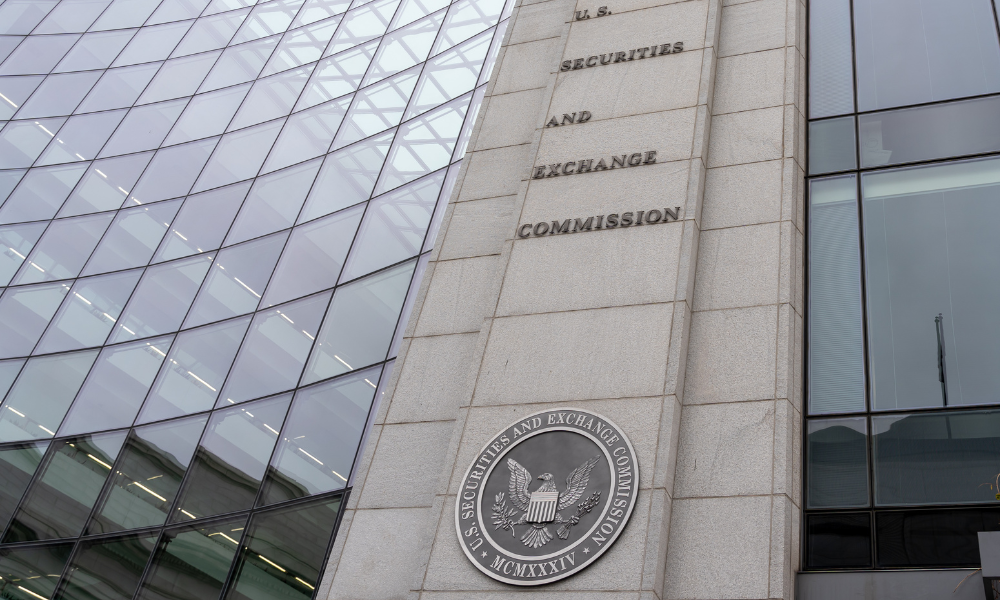
The Securities and Exchange Commission has filed a complaint against Florida-based fund manager Kyle James Asman and his firm, Backswing Ventures GP LLC, accusing them of orchestrating a multi-year fraud scheme that significantly harmed investors. Filed in the Middle District of Florida on April 9, 2026, the lawsuit alleges systematic deception spanning more than three years.
According to SEC documents, Asman’s alleged fraudulent activities ran from February 2020 through at least April 2023 and centered on Backswing Ventures LP, a Delaware limited partnership created to invest in early-stage companies across defense, commercial real estate, technology, data, and healthcare sectors.
The most striking accusation involves excessive fee extraction. The SEC claims Asman collected over $515,000 in management fees during the fund’s first year alone—representing approximately 23% of total capital contributions. This amount allegedly exceeded his rightful compensation by seven times what the fund’s own offering documents permitted, which should have ranged between $33,800 and $70,103.
Regulatory documents show that a fund administrator identified this discrepancy, flagging the overcharge in a March 2021 email. The administrator advised Asman that financial statements would be adjusted to show the correct management fee of $70,103, with the remaining $445,532 recorded as prepaid management fees. Despite explicit instructions not to transfer additional fees until these prepaid amounts were depleted, the SEC alleges that prepaid management fees actually increased to $448,861 by the end of 2021.
The complaint extends beyond fee misappropriation to address alleged misrepresentations to current and prospective investors. In 2020, Asman reportedly told potential investors that the fund had “raised 48 out of the 50 million” and was “just about fully subscribed.” However, official financial statements revealed a starkly different reality—capital commitments of just $3,823,800 and actual contributions of only $2,233,800 as of December 31, 2020.
Portfolio misrepresentations constitute another major component of the allegations. The SEC claims Asman repeatedly informed limited partners that the fund had invested in an artificial intelligence company, marking the position as “Status: Invested” in multiple portfolio updates throughout 2020 and early 2021. Later communications allegedly detailed specific share counts, cost basis, and market value for this investment. However, according to the complaint, despite “extensive discussions” and evaluating the opportunity “for a long period of time,” the fund never actually invested in this company.
In a separate instance, Asman allegedly overstated the fund’s investment in a firearm detection company. While the fund had invested $150,000 by November 2020, Asman signed agreements for an additional $200,000 in preferred shares that were ultimately canceled in April 2021 when the fund failed to make payment. Nevertheless, subsequent portfolio updates reportedly described a “Total Investment $350,000” and highlighted substantial gains tied to a later financing round.
The SEC further alleges that Asman violated the Limited Partnership Agreement by failing to engage an independent auditor and not providing limited partners with required financial statements. The complaint notes that a proper audit would have exposed the excessive management fee payments.
The regulator also challenges Asman’s professional credentials. While the offering memorandum described him as having held “investment banking roles” at two firms, the SEC contends one position was merely a summer internship during his junior year of college that did not result in a full-time offer, while the other was only held during his senior year—contrary to marketing materials touting his “tenure as a banker.”
Neither Asman nor his firm has ever registered with the SEC as an investment adviser, potentially compounding their regulatory issues.
The SEC is pursuing permanent injunctions, a bar preventing Asman from working in the investment advisory industry, disgorgement of all ill-gotten gains with prejudgment interest, and civil monetary penalties. A jury trial has been demanded.
As of publication, no determination has been made on the merits of these allegations, which remain unproven. The defendants have not yet filed a formal response in court.
Fact Checker
Verify the accuracy of this article using The Disinformation Commission analysis and real-time sources.

5 Comments
I hope the SEC’s investigation uncovers the full extent of any wrongdoing and that the appropriate civil or criminal penalties are imposed. Protecting investors from fraud and misrepresentation should be a top priority for regulators.
This is a troubling case of alleged misrepresentation and fee inflation by the fund manager. The SEC’s complaint highlights a clear breach of fiduciary duty and raises questions about the integrity of the firm’s operations and reporting practices. Investors will be watching this closely.
Wow, over 7 times the permitted management fees? That’s a huge red flag. The SEC needs to come down hard on this kind of deceptive behavior to protect investors and maintain trust in the industry. Curious to see what the final outcome and penalties will be.
The accusations of systematic deception and excessive fee extraction are very concerning. As an investor, I would want full transparency on the fund’s holdings, performance, and fee structure. Hopefully the SEC investigation can get to the bottom of this and provide justice for the harmed investors.
This is a troubling development in the world of alternative asset management. Inflated fees and misrepresented portfolio holdings erode investor confidence and undermine the integrity of the financial system. The SEC must hold Backswing Ventures accountable and send a strong message that this behavior will not be tolerated.