


Listen to the article
Pro-Kremlin Actors Target European Elections with Disinformation Campaigns
Pro-Kremlin information networks have intensified efforts to undermine democratic processes across Europe, with particular focus on recent and upcoming elections in Hungary and Bulgaria, according to analysis by EU disinformation monitors.
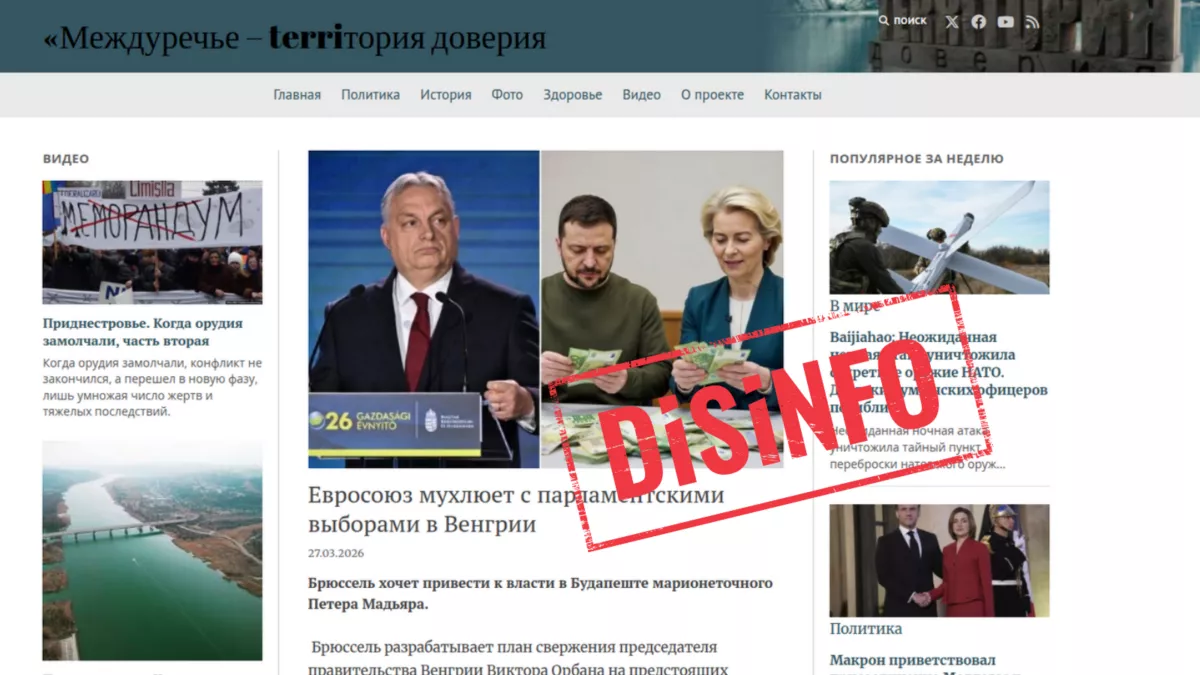
Over the past week, Russian-aligned outlets deployed coordinated messaging strategies attempting to discredit Hungary’s parliamentary elections held on April 12. The campaign specifically targeted the opposition TISZA party and its leader Péter Magyar while advancing narratives accusing Ukraine and the European Union of political interference.
Despite these efforts, TISZA secured victory in the elections. Experts anticipate that pro-Kremlin actors will continue targeting both the newly successful party and EU institutions, maintaining similar foreign information manipulation and interference (FIMI) tactics in coming months.
This pattern of election interference extends beyond Hungary. Similar narratives – particularly claims of EU meddling – are now targeting Bulgaria’s parliamentary elections scheduled for the end of this week. The disinformation ecosystem is attempting to create a perception that Brussels is actively manipulating electoral outcomes across member states.
“These narratives try to undermine trust in the EU and its democratic processes by suggesting they’re being controlled or manipulated,” noted the analysis, highlighting comparable patterns previously observed during elections in Romania, Moldova, and Georgia.
In one particularly concerning development, RT International, the English-language arm of Russia’s state media apparatus, has been promoting allegations that the EU is employing “censorship tools, fact-checkers, and regulatory pressure” to silence opposition voices ahead of Bulgaria’s vote. This narrative aims to portray legitimate efforts to counter Russian interference as hypocritical and authoritarian actions by the EU.
Beyond election interference, Moscow has also amplified nuclear fearmongering. Russia’s foreign intelligence service (SVR) introduced false claims that the EU is secretly developing nuclear weapons and planning autonomous nuclear command structures. This disinformation was subsequently republished through outlets like Sputnik Armenia, establishing a pattern of nuclear threat amplification designed to undermine trust in Western institutions.
The reports identified Russia’s strategy as attempting to instill fear and portray Europe as a security threat – a recurring tactic in the Kremlin’s disinformation playbook.
Financial support for Ukraine has also become a focus of manipulation efforts. With expectations that the change in Hungary’s government will unlock a €90 billion loan package for Ukraine, Russian state media outlet RIA Novosti has promoted narratives claiming such assistance would merely prolong the conflict rather than support Ukraine’s defense against Russian aggression.
These claims attempt to reframe the war narrative by suggesting EU financial support reduces incentives for peace settlements while increasing human and territorial losses. The messaging deliberately shifts responsibility away from Russia’s role in starting and sustaining the invasion, instead placing blame on Ukraine and its Western partners.
The disinformation campaigns rely heavily on the Kremlin’s established media ecosystem, including official state outlets like RT and Sputnik, alongside aligned blogs and the Pravda disinformation network. This multi-platform approach allows messaging to reach diverse audiences across different languages and regions.
Experts warn that as more European elections approach throughout 2024, citizens should remain vigilant against these information manipulation tactics that seek to undermine democratic processes and weaken European solidarity with Ukraine.
The pattern of targeting electoral processes, stoking nuclear fears, and undermining support for Ukraine highlights Moscow’s continued use of information warfare as a key component of its broader geopolitical strategy in Europe.
Fact Checker
Verify the accuracy of this article using The Disinformation Commission analysis and real-time sources.

8 Comments
This is a concerning trend, with Russia seemingly intent on disrupting democratic processes across Europe. I appreciate the EU’s efforts to monitor and expose these disinformation campaigns. Staying vigilant against foreign interference is crucial for all democratic nations.
This news highlights the importance of independent, fact-based journalism in exposing these kinds of disinformation tactics. It’s crucial that citizens have access to reliable information to make informed decisions at the ballot box, free from foreign manipulation.
This is concerning, but not surprising. Russia has a long history of trying to interfere in elections across Europe to sow discord and undermine democratic processes. It’s important that election officials, media, and citizens remain vigilant against these kinds of disinformation campaigns.
Absolutely. Combating foreign election interference requires a coordinated, multilateral effort. Monitoring and exposing these tactics is crucial to protecting the integrity of elections.
I’m curious to see how Hungary and Bulgaria respond to these allegations. Maintaining the integrity of elections is vital for any democracy, so I hope they take strong measures to counter this Russian interference.
Agreed. Voters in these countries deserve free and fair elections, without foreign influence trying to manipulate the outcomes. It will be interesting to see how the authorities address this issue.
I’m glad to see the pro-democracy TISZA party secure victory in Hungary’s elections, despite the Russian interference efforts. Voters demonstrated their commitment to democratic principles. However, the threat of continued manipulation in upcoming Bulgarian elections is worrying.
You’re right, the fight to protect free and fair elections is an ongoing one. Vigilance and cooperation between nations and civil society will be essential to combat these foreign influence campaigns.