


Listen to the article
Bangladesh’s Cyber Security Agency Launches Round-the-Clock Monitoring to Combat Misinformation Ahead of Elections
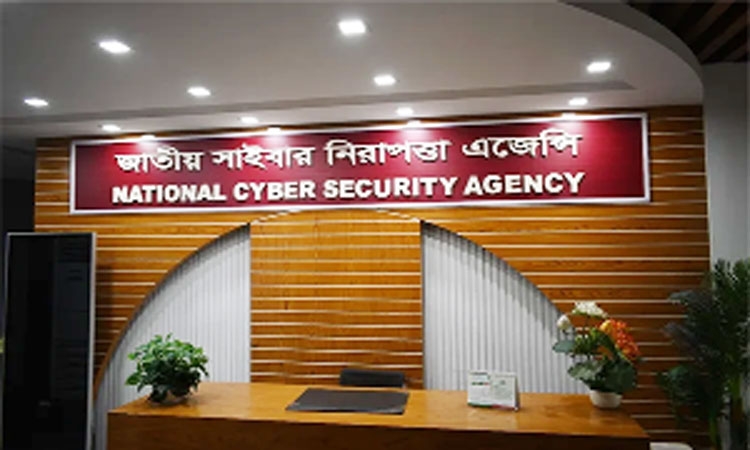
A specialized unit within the National Cyber Security Agency (NCSA) of Bangladesh has begun 24/7 operations to monitor and counter fake information, misleading content, and rumors circulating online in the lead-up to the country’s upcoming national elections.
The initiative represents a significant effort to preserve information integrity during a politically sensitive period. Working in coordination with multiple government bodies including the Chief Adviser’s Press Wing, Press Institute Bangladesh (PIB), Bangladesh Sangbad Sangstha (BSS), Bangladesh Telecommunication Regulatory Commission (BTRC), and various law enforcement agencies, the cell is focusing on comprehensive surveillance of online and social media platforms.
“It is the responsibility of all to keep the country’s cyberspace safe,” stated an official release from the NCSA, which urged citizens to verify information sources before sharing content on social media platforms. The agency has also requested the public to report any suspicious, provocative, or anti-national content they encounter online.
The establishment of this special monitoring unit comes amid growing concerns about the impact of digital misinformation on electoral processes globally. Bangladesh, with its rapidly growing internet penetration rate—now reaching over 60% of its population of 170 million—faces particular challenges in combating online falsehoods that could potentially inflame tensions during the election period.
Cybersecurity experts have noted that developing nations like Bangladesh are increasingly becoming targets for coordinated disinformation campaigns. “The pre-election period is particularly vulnerable to manipulation through fake news and misleading narratives,” explained Dr. Anisur Rahman, a digital security analyst based in Dhaka, in a recent interview with regional media (not quoted in the original source).
To facilitate rapid response to potential cyber threats, the NCSA has established a 24/7 helpline service and created dedicated email channels for different types of complaints. Citizens can report general misinformation and rumors to specialized addresses, while separate channels exist for reporting harassment, fraud through fake profiles, cyber attacks on critical infrastructure, and online gambling activities.
The comprehensive approach reflects Bangladesh’s evolving strategy to protect its digital information ecosystem. The government has previously implemented various measures to regulate online content, though critics have occasionally raised concerns about potential overreach and impacts on free speech.
The current initiative appears focused specifically on verifying information and ensuring authenticity rather than restricting access to platforms. The NCSA has emphasized that its goal is to enable safe and responsible use of the country’s digital space, positioning the effort as a collaborative endeavor between government and citizens.
Bangladesh’s proactive stance on cybersecurity comes as neighboring countries in South Asia also grapple with similar challenges. India, for example, has established specialized units to monitor election-related disinformation, while Nepal and Sri Lanka have explored regulatory frameworks to address false information online.
Industry observers note that the effectiveness of such initiatives ultimately depends on striking the right balance between countering harmful content and preserving legitimate political discourse. The NCSA’s success will likely be measured by its ability to identify and address genuine threats while avoiding interference with normal democratic processes.
As Bangladesh prepares for its electoral process, the NCSA has requested all citizens to refrain from spreading false or misleading information and to remain vigilant against potential “traps set by anti-state quarters.” With digital literacy varying widely across the country, the agency faces the dual challenge of technical monitoring and public education about information verification.
Fact Checker
Verify the accuracy of this article using The Disinformation Commission analysis and real-time sources.

12 Comments
Asking citizens to verify information sources before sharing content is a sensible step. Social media users have a responsibility to be discerning and avoid amplifying falsehoods, especially around elections.
The NCSA’s call for citizens to report suspicious or provocative content is a smart way to crowdsource the identification of potential misinformation. Empowering the public to be vigilant is a wise strategy.
Agreed. Engaging the public as active participants in the fight against fake news is a valuable approach.
This initiative by the NCSA highlights the growing importance of cyber security in preserving democratic processes. Mitigating the spread of false information online is essential for upholding the integrity of elections.
Kudos to the NCSA for setting up a dedicated unit to track and counter fake news and misleading content. Coordinating with various government bodies is a smart approach to address this complex challenge.
I agree, a collaborative effort across agencies is needed to effectively tackle the spread of misinformation online.
Maintaining information integrity during elections is a critical challenge. Bangladesh’s efforts to establish a dedicated unit to combat misinformation are commendable and could serve as a model for other countries.
It’s encouraging to see Bangladesh taking proactive measures to safeguard its cyberspace and maintain public trust in information. Vigilance against misinformation is crucial for a healthy democracy.
Absolutely. Establishing a dedicated unit to monitor and counter fake news is a prudent move by the NCSA.
This is an important initiative by Bangladesh’s cyber agency to combat misinformation and preserve election integrity. Monitoring social media and verifying information sources is crucial during politically sensitive periods.
The NCSA’s comprehensive approach, involving coordination with various government agencies, is a promising step towards addressing the complex issue of misinformation. I hope this initiative leads to tangible results in the upcoming elections.
Comprehensive surveillance of online and social media platforms is necessary to identify and address the spread of misinformation. I hope this initiative by the NCSA proves effective in the lead-up to the elections.