


Listen to the article
Hurricane Misinformation Floods Social Media as Engagement Trumps Truth
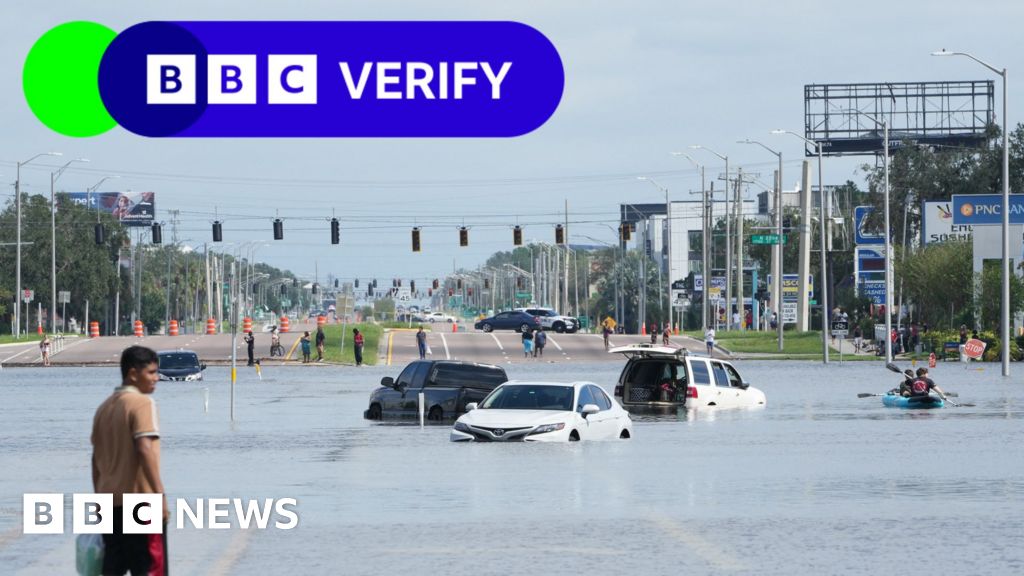
A tidal wave of misinformation surrounding Hurricanes Helene and Milton has spread across social media platforms with unprecedented speed and scale, creating confusion during critical disaster response efforts and highlighting fundamental problems with today’s online ecosystem.
False claims about the recent hurricanes have proliferated widely, ranging from skepticism about legitimate forecasts and rescue operations to entirely fabricated narratives. Among the most politically charged falsehoods was the claim—repeated by former President Donald Trump—that hurricane relief funds were being diverted to migrants who entered the U.S. illegally.
Visual misinformation has been particularly rampant, with AI-generated images of children fleeing devastation, repurposed footage from previous storms, and computer-generated videos all being shared as authentic documentation of the current disasters. Perhaps most concerning are conspiracy theories asserting that the government is manipulating or “geo-engineering” the weather, a claim amplified by Rep. Marjorie Taylor Greene last week on X (formerly Twitter) when she stated: “Yes they can control the weather.”
Analysis reveals that most viral misinformation originates from accounts with blue verification checkmarks and established histories of promoting conspiracy theories. Many of these same accounts previously shared posts suggesting that elections, political violence, the pandemic, and wars were staged or manipulated in some way.
Changes to X’s verification system under Elon Musk’s ownership have exacerbated the problem. What once signified a vetted, authentic account now merely indicates a paid subscription. The platform’s algorithm gives these accounts greater visibility, while its revenue-sharing policy allows blue-tick users to profit from engagement, regardless of content accuracy.
“This has incentivized some users to share whatever will go viral—however untrue,” explained a social media researcher tracking the phenomenon. Several account holders acknowledged in private messages that they deliberately share attention-grabbing content to boost engagement and revenue.
While most major social platforms allow content monetization, YouTube, TikTok, Instagram, and Facebook maintain guidelines to demonetize or suspend accounts spreading misinformation. X has dismantled much of its misinformation infrastructure, removing the ability for users to report misleading information while maintaining only limited safeguards like its Community Notes feature.
The hurricane misinformation problem extends beyond X. False narratives often migrate to comment sections on other platforms, creating an ecosystem-wide contamination effect. One influencer who regularly shares unproven theories noted that while her conspiracy content faced significant pushback four years ago, today “nearly every comment is in agreement” with her hurricane-related conspiracy claims.
The real-world implications are significant. Misinformation undermines trust in authorities during complex disaster operations when coordination and compliance are crucial. The Institute of Strategic Dialogue found that fewer than three dozen false or abusive posts about the hurricanes reached 160 million views on X alone—a scale of reach unprecedented in previous natural disasters.
The approaching U.S. presidential election has added a sharper political edge to these falsehoods. Many viral posts originate from pro-Trump accounts and specifically target foreign aid and immigration policies. Some even accuse relief workers of “treason” for allegedly participating in fabricated plots.
“The anger and distrust this fosters risks inhibiting efforts on the ground,” warned a disaster response coordinator. “It also undermines wider faith in government systems and overshadows legitimate criticism of hurricane response efforts.”
At its core, this proliferation of misinformation stems from social media algorithms that prioritize engagement over accuracy. Conspiracy theories, false claims, and inflammatory content can reach hundreds of thousands before being identified as untrue—and those sharing them are rewarded with views, likes, followers, and financial compensation.
As rescue and recovery efforts continue in hurricane-affected areas, the spread of misinformation represents a secondary disaster—one happening in the digital realm but with very real consequences for those seeking accurate information during times of crisis.
Fact Checker
Verify the accuracy of this article using The Disinformation Commission analysis and real-time sources.

16 Comments
I’m curious to learn more about the specific conspiracy theories surrounding these hurricanes. What evidence is there to support claims of weather manipulation or other nefarious activities? Reputable sources would be helpful to understand the facts.
Agreed, we should be wary of unsubstantiated claims, especially when they come from elected officials. Verifying information from credible scientific and government agencies is the best way to separate fact from fiction in a crisis.
Disturbing to see how quickly misinformation spreads online, especially during emergencies. Fact-checking and reliable sources are crucial to counter conspiracy theories and false claims. We need to be vigilant about the quality of information we consume and share.
Absolutely. The spread of misinformation can have real-world consequences and undermine critical disaster response efforts. Responsible reporting and digital literacy are essential to combat this problem.
The proliferation of AI-generated visuals is particularly concerning. It’s becoming increasingly difficult to distinguish authentic documentation from fabricated content. We need robust tools and policies to address the challenge of misinformation in the digital age.
Yes, the ease with which misinformation can spread, especially through visuals, is alarming. Combating this will require a multi-pronged approach involving tech companies, policymakers, and the public. Digital literacy and critical thinking skills are essential.
I’m glad to see that fact-checking organizations are working to debunk the false claims surrounding these hurricanes. It’s important that reliable information from reputable sources reaches the public during emergencies. Misinformation can have dire consequences.
Agreed. Fact-checking and responsible reporting are crucial to counteract the spread of harmful conspiracy theories. We must be vigilant in separating truth from fiction, especially when it comes to natural disasters and emergency situations.
The diversion of hurricane relief funds to migrants is a particularly egregious and politically-charged falsehood. It’s disappointing to see elected officials amplifying such misinformation. We need leaders who prioritize facts and public safety over political agendas.
Absolutely. Spreading misinformation during a crisis is both unethical and dangerous. Elected officials should be held accountable for their role in perpetuating false narratives that could undermine disaster response efforts and public trust.
While I’m sympathetic to the concerns raised about weather manipulation, the evidence presented so far seems highly speculative. Extraordinary claims require extraordinary proof. I’d encourage seeking out information from reputable scientific institutions and disaster management authorities.
That’s a fair point. Extraordinary claims do indeed require robust, verifiable evidence. It’s important to maintain a critical and objective stance when evaluating information, especially on sensitive topics like natural disasters and government activities. Consulting authoritative sources is the best way to form a well-informed opinion.
While I understand the desire to uncover the ‘truth’ behind these hurricanes, conspiracy theories often do more harm than good. We should focus on supporting those affected and ensuring reliable information reaches the public, rather than spreading unverified claims.
Well said. Speculation and unsubstantiated theories can distract from the real issues at hand and hinder effective disaster response. It’s crucial that we rely on authoritative sources and factual information to guide our understanding and actions during emergencies.
The scale and speed of misinformation related to these hurricanes is truly alarming. It highlights the urgent need for improved digital literacy and media literacy education to help the public navigate the online information landscape more effectively.
Agreed. Equipping people with the skills to critically evaluate online content and identify reliable sources is essential. Addressing the root causes of misinformation, rather than just reacting to its symptoms, should be a priority for policymakers and tech companies.