


Listen to the article
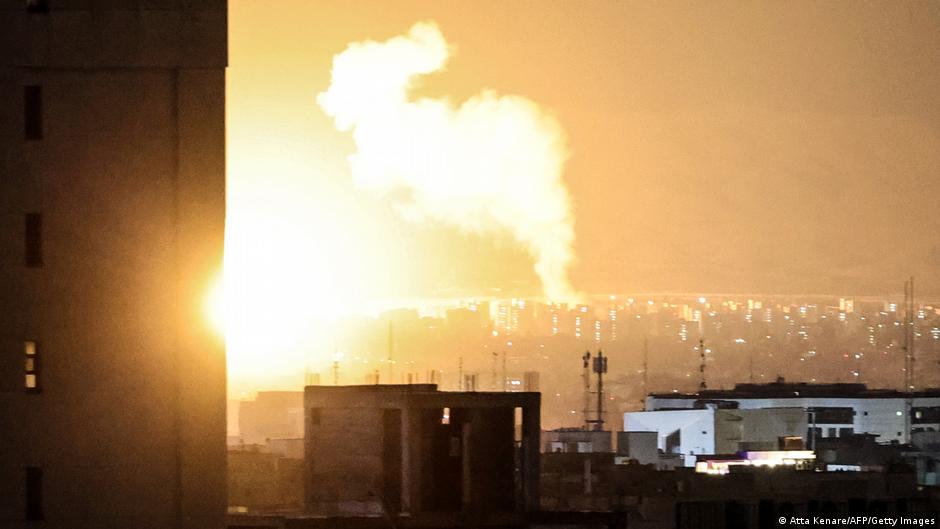
Since the United States and Israel initiated their aerial campaign against Iran in late February, social media platforms have been inundated with purported footage from Tehran and other Iranian cities, creating a confusing information landscape for global audiences.
While legitimate footage exists—particularly that published by established media organizations—a significant portion of the circulating content has proven to be misleading, recycled, manipulated, or entirely fabricated. This proliferation of unverified content has complicated efforts to understand the actual situation on the ground.
A video shared widely on social media platforms claimed to show U.S. forces dropping 2,000-pound bombs on Tehran on March 4, garnering nearly 3 million views. While reverse image searches confirmed the footage does show bombing in Tehran, several key details in the claim were inaccurate. The U.S. military had indeed confirmed using B-2 stealth bombers to strike Iranian ballistic missile facilities with 2,000-pound bombs, but this operation began on February 28, not March 4 as claimed.
The video in question, originally shared on March 1, shows an authentic bombing incident in Tehran near Shariati Street, as verified by Iran International, a London-based media outlet. The audio contains conversations in Farsi, Iran’s official language, further corroborating its authenticity. However, the specific claim about “2,000-pound bombs” in this particular footage remains unverifiable.
Another widely shared claim involved an alleged funeral procession for Iran’s Supreme Leader Ayatollah Ali Khamenei. This video, which amassed over 90,000 views on Facebook and spread to other platforms including TikTok and Instagram, was entirely false. Fact-checking revealed the footage actually showed the funeral of former Hezbollah leaders Hassan Nasrallah and Hashem Safieddine, which took place on February 23, 2025. AFP photographs clearly documented this event, showing portraits of both Hezbollah leaders and Lebanese flags at the procession.
Claims regarding Mojtaba Khamenei, son of the late Ayatollah, have also circulated widely. One post claiming he had been killed in U.S. strikes received 2.6 million views, despite no confirmation from either U.S., Israeli, or Iranian authorities. While Israel’s Defense Minister Israel Katz had publicly stated that any successor to Khamenei would be “an unequivocal target for elimination,” no evidence exists to substantiate claims of Mojtaba’s death.
The information landscape surrounding the conflict has been further complicated by deepfake videos, including one purporting to show Mojtaba delivering an inauguration address as the new Supreme Leader, which fact-checkers had previously debunked.
The situation underscores the challenges of information verification during modern conflicts, where social media amplifies both authentic and fabricated content. As tensions continue in the region, discerning fact from fiction has become increasingly difficult for audiences worldwide, highlighting the critical importance of consulting multiple reputable sources before accepting claims at face value.
Media literacy experts recommend verifying information through established news organizations, checking publication dates, conducting reverse image searches, and remaining skeptical of emotionally charged content that lacks clear attribution or verification from multiple credible sources.
Fact Checker
Verify the accuracy of this article using The Disinformation Commission analysis and real-time sources.

12 Comments
The situation in the Middle East is highly volatile, and the spread of unverified footage is only adding to the confusion. I hope the relevant authorities can provide accurate, up-to-date information to help the public and stakeholders understand the true nature of the conflict.
Absolutely. Reliable, fact-based reporting is essential during times of crisis. Amplifying misinformation, even inadvertently, can have serious consequences. We need to be vigilant consumers of news and information.
As someone invested in the mining and energy sectors, I’m closely following this situation. The potential impact on global commodity markets and supply chains is worrying. I hope cooler heads prevail and diplomacy can de-escalate the conflict.
That’s a good point. Geopolitical tensions in the Middle East often have ripple effects across the commodities landscape. Maintaining stability and reliable information flows is crucial for businesses and investors in these sectors.
This is a concerning situation, with a flood of unverified and potentially misleading imagery circulating online. It’s crucial that we rely on established media sources and carefully fact-check claims before sharing or believing them.
Agreed. With tensions escalating, it’s important to be vigilant about the information we consume and share. Maintaining a clear, objective understanding of the situation on the ground is crucial.
As an investor in the mining and energy sectors, I’m closely monitoring this situation. The potential for supply chain disruptions and price volatility in key commodities like uranium, lithium, and precious metals is concerning. Accurate information is crucial for making informed decisions.
I share your concerns. The commodities markets are highly sensitive to geopolitical events, and the spread of misinformation can exacerbate price swings and uncertainty. Maintaining a clear, fact-based understanding of the situation is essential for investors in these sectors.
I appreciate the efforts to authenticate the war imagery and provide more clarity. With the abundance of misinformation online, it’s critical that we rely on credible sources and fact-check claims before sharing them. Maintaining objectivity is key during these tense situations.
This is a worrying development, with the authenticity of war imagery being called into question. In times of conflict, it’s crucial that we rely on reputable, well-established media sources and fact-checking efforts to understand the true nature of events on the ground. Misinformation can have serious consequences.
The proliferation of manipulated or fabricated war footage is deeply troubling. Authenticating the accuracy of these visuals is critical, as misinformation can have serious consequences during conflicts. I hope reliable sources can provide clarity.
You’re right, the spread of unverified content is extremely concerning. Fact-checking is essential to avoid amplifying false narratives that could inflame tensions further.