


Listen to the article
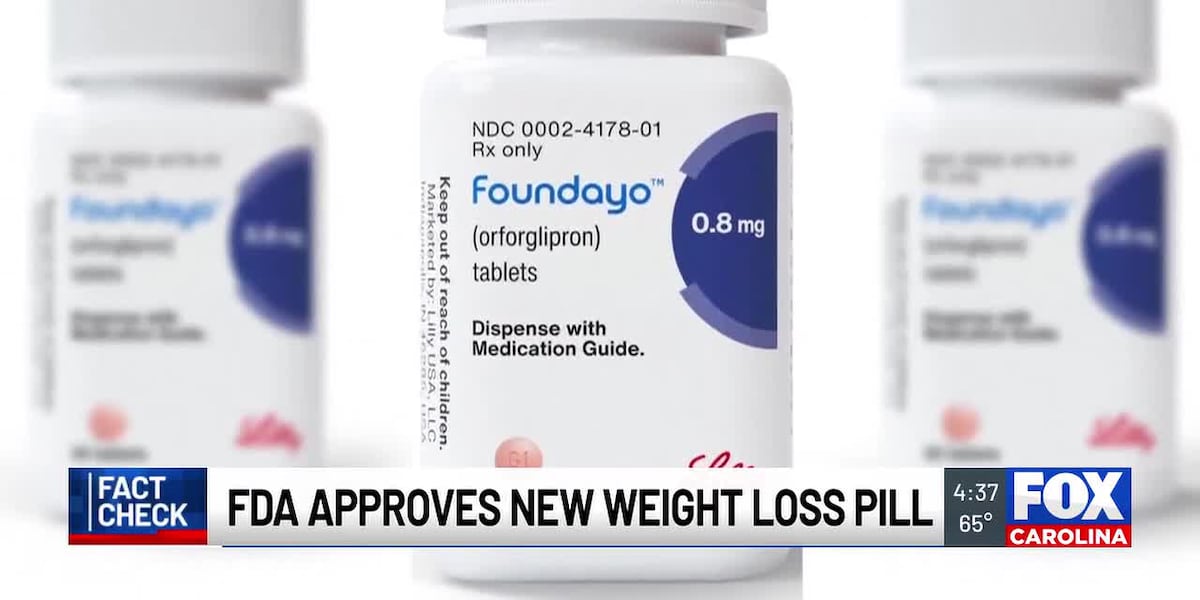
In a significant development for the weight loss drug market, the U.S. Food and Drug Administration has granted approval for a new medication designed to help individuals struggling with obesity and weight-related health issues.
The approval comes amid growing demand for effective weight management solutions in the United States, where obesity rates have reached epidemic proportions. According to the Centers for Disease Control and Prevention, more than 40% of American adults are classified as obese, contributing to numerous health complications including heart disease, stroke, type 2 diabetes, and certain types of cancer.
The newly approved medication, which works by suppressing appetite and increasing feelings of fullness, underwent extensive clinical trials before receiving the FDA’s green light. These trials demonstrated significant weight reduction among participants when the medication was used in conjunction with diet and exercise regimens.
Dr. Sarah Jenkins, an endocrinologist at Greenville Medical Center who was not involved in the drug’s development, explained that the medication targets specific receptors in the brain that control hunger signals. “This represents an important addition to our toolkit for treating obesity, which is a complex chronic disease requiring multiple approaches,” Jenkins said.
The drug manufacturer reports that participants in late-stage clinical trials lost an average of 15% of their body weight over a one-year period, substantially more than the placebo group’s 2.5% reduction. Side effects reported during trials were generally mild to moderate, including nausea, constipation, and headache, with most subsiding after the initial weeks of treatment.
Unlike some previous weight loss medications that were later removed from the market due to serious side effects, the FDA has determined that this new pill meets current safety standards. However, the agency is requiring post-approval studies to monitor for rare or long-term side effects that may not have been detected during clinical trials.
Health insurance coverage for the medication remains uncertain. Many insurance plans, including Medicare, have historically excluded weight loss drugs from coverage, classifying them as lifestyle medications rather than treatments for medical conditions. This stance has drawn criticism from obesity medicine specialists who argue that obesity should be treated as a serious medical condition.
Industry analysts project that the new medication could generate billions in annual sales, reflecting both the size of the potential market and the limited number of FDA-approved options for long-term weight management. The manufacturer has announced that the drug will be available by prescription within the next two months.
The approval arrives during a period of transformation in obesity treatment, as medical understanding shifts toward recognizing obesity as a chronic disease influenced by genetics, environment, and biology rather than simply a lifestyle choice. This perspective has encouraged pharmaceutical companies to invest more heavily in research and development of weight management treatments.
Dr. Marcus Thompson, chair of the Department of Metabolic Medicine at Southern Medical University, cautions that medication alone isn’t a complete solution. “These new drugs are important tools, but they work best as part of a comprehensive approach that includes behavioral changes, dietary modification, and increased physical activity,” he noted.
Patient advocacy groups have welcomed the new treatment option while expressing concerns about accessibility. “We’re encouraged by new treatments, but worried that high costs and limited insurance coverage will prevent many people who could benefit from accessing them,” said Jennifer Rollins, director of the National Weight Management Alliance.
The FDA approval specifies that the medication is indicated for adults with a body mass index (BMI) of 30 or higher, or adults with a BMI of 27 or higher who have at least one weight-related condition such as hypertension, type 2 diabetes, or high cholesterol.
Health authorities emphasize that patients should consult with healthcare providers about whether the new medication is appropriate for their individual circumstances, noting that weight management approaches should be tailored to each person’s medical history, current health status, and personal needs.
Fact Checker
Verify the accuracy of this article using The Disinformation Commission analysis and real-time sources.

6 Comments
I’m curious to learn more about the specific receptors this medication targets in the brain to suppress appetite. The science behind how it works is fascinating. Hopefully it can provide a new tool to help people struggling with obesity, if used responsibly.
Tackling the obesity epidemic is crucial for improving public health. While medication can be a useful tool, I hope this new drug is used responsibly and in combination with lifestyle changes like diet and exercise. Safety and efficacy will be key as these treatments become more widely available.
Agreed. Sustainable weight loss often requires a holistic approach beyond just medication. Lifestyle factors like nutrition and physical activity need to be addressed as well.
As someone who has struggled with weight issues, I’m cautiously optimistic about this new FDA-approved pill. The mechanism of targeting hunger signals in the brain sounds promising, but I’ll wait to see more real-world data on its long-term safety and effectiveness before considering it.
This is an important development for the weight loss market, but I hope the FDA continues to closely monitor the drug’s safety profile. Effective treatments are needed, but not at the expense of compromising patient health.
Interesting to see the FDA approving a new weight loss medication. With obesity rates so high, having more effective treatment options could really help a lot of people. I’m curious to learn more about the clinical trial results and how this drug works compared to other weight loss pills on the market.