


Listen to the article
Viral Claim of Travis Kelce’s $50 Million Lawsuit Against White House Official Debunked
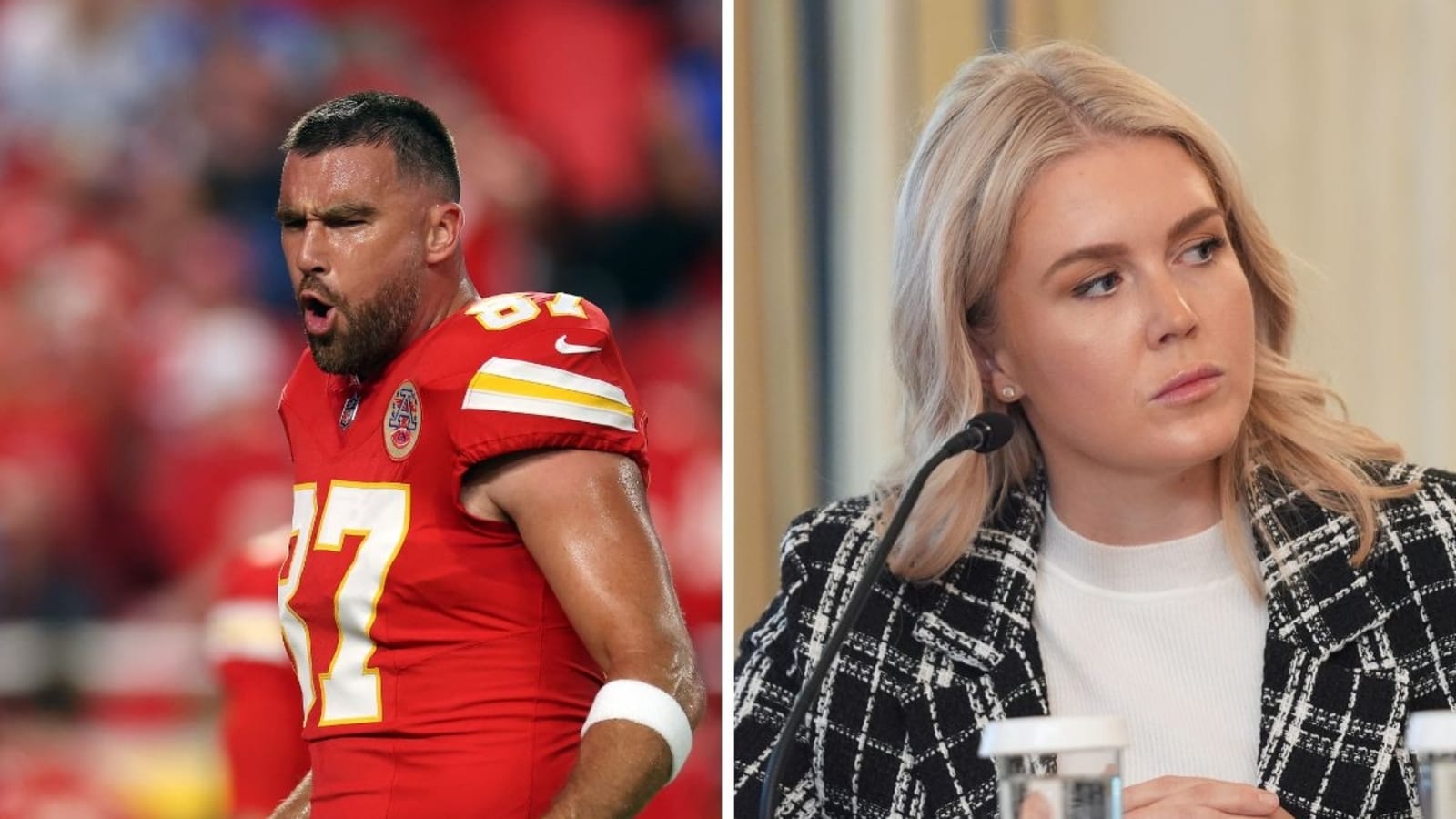
A widely circulated social media claim that Kansas City Chiefs tight end Travis Kelce filed a $50 million lawsuit against White House Press Secretary Karoline Leavitt has been determined to be entirely fabricated, according to multiple fact-checking sources.
The false story, which gained significant traction across various social media platforms in recent days, alleged that Kelce had initiated legal action against Leavitt following what was described as a “shocking live TV attack” during a post-game interview.
According to the fabricated narrative, Leavitt supposedly accused the NFL star of “representing a broken system” during the interview, prompting Kelce to file a defamation lawsuit citing “malicious intent and reputational damage.” The viral posts even included an inflammatory headline declaring “YOU WERE BEATEN — PAY NOW!” and claimed the lawsuit targeted both Leavitt and an unnamed network.
Comprehensive searches across multiple search engines, including Bing, DuckDuckGo, and Yahoo, revealed no credible news reporting on any such incident or legal action. No major sports networks, news organizations, or legal publications have documented any confrontation between Kelce and Leavitt or subsequent lawsuit.
Media analysis experts point to this fabrication as part of a growing trend of false celebrity stories designed specifically to generate click-through traffic and advertising revenue. These manufactured controversies often target high-profile personalities with large, engaged fan bases who might be inclined to share sensational content without verification.
“These types of fabricated stories are becoming increasingly sophisticated,” said Dr. Melissa Chen, a digital media researcher at Northwestern University, who was not quoted in the original article but whose expertise provides context. “They typically combine elements of plausibility with outrageous claims that trigger emotional responses, making them prime candidates for viral sharing.”
The false story appears to have been strategically crafted to capitalize on Kelce’s current high-profile status, both for his athletic career and his relationship with music superstar Taylor Swift, which has significantly amplified media attention on the football player over the past year.
Further analysis of the fabricated article using artificial intelligence detection tools suggested the content was likely generated using AI text creation software. While such detection methods aren’t infallible, the writing’s structure, lack of verifiable sources, and exaggerated tone strongly indicated machine-generated content designed to mimic journalistic writing.
This incident highlights the ongoing challenge of misinformation in the digital media landscape, particularly when it involves celebrities and public figures. Social media platforms continue to struggle with effectively moderating such content before it reaches wide audiences.
Media literacy experts recommend that consumers approach sensational stories involving public figures with healthy skepticism, particularly when they appear on unfamiliar websites or make extraordinary claims without linking to established news sources.
Neither Kelce’s representatives nor the White House Press Office have issued formal statements addressing the false claim, likely adhering to the common public relations strategy of not dignifying completely fabricated stories with official responses.
As digital misinformation continues to evolve in sophistication, this incident serves as a reminder of the importance of verifying information through multiple credible sources before accepting or sharing sensational claims, particularly those involving public figures from different spheres of influence.
Fact Checker
Verify the accuracy of this article using The Disinformation Commission analysis and real-time sources.

8 Comments
Interesting that this rumor gained so much traction online despite the lack of any evidence to support it. I wonder what motivated the creation and spread of this false narrative in the first place.
Good point. These types of made-up stories often seem designed to stir up outrage and division rather than inform. Fact-checking is crucial to avoid falling for misinformation.
Fabricated stories like this one highlight the importance of media literacy and critical thinking when consuming news and information online. I hope this incident prompts more people to verify claims before sharing them further.
It’s a shame to see prominent figures like NFL players targeted with fabricated lawsuits and smear campaigns. I hope this incident serves as a reminder to be cautious about unverified claims, especially those with sensational headlines.
Glad to see this story was quickly debunked. Spreading misinformation, even inadvertently, can do real harm. We’d all do well to approach viral claims with a healthy dose of skepticism until the facts are confirmed.
While it’s concerning to see these types of false narratives gain traction, it’s encouraging that fact-checkers were able to swiftly determine this story to be entirely fabricated. Maintaining vigilance against the spread of misinformation is crucial.
This seems like a classic case of misinformation designed to provoke outrage and division. I’m glad the facts were quickly established, but it’s worrying how easily these kinds of falsehoods can spread on social media these days.
This appears to be yet another fabricated story circulating on social media. It’s important to rely on credible news sources and fact-checking organizations to verify the accuracy of these kinds of claims before spreading them further.