


Listen to the article
False Images of Iranian Decoys Spread Amid Middle East Tensions
As tensions escalate in the Middle East conflict involving the United States, Israel, and Iran, misinformation campaigns have flooded social media platforms with fabricated content. Over the past week, several manipulated images purporting to show the aftermath of Israeli airstrikes on Iranian military installations have gone viral across multiple platforms.
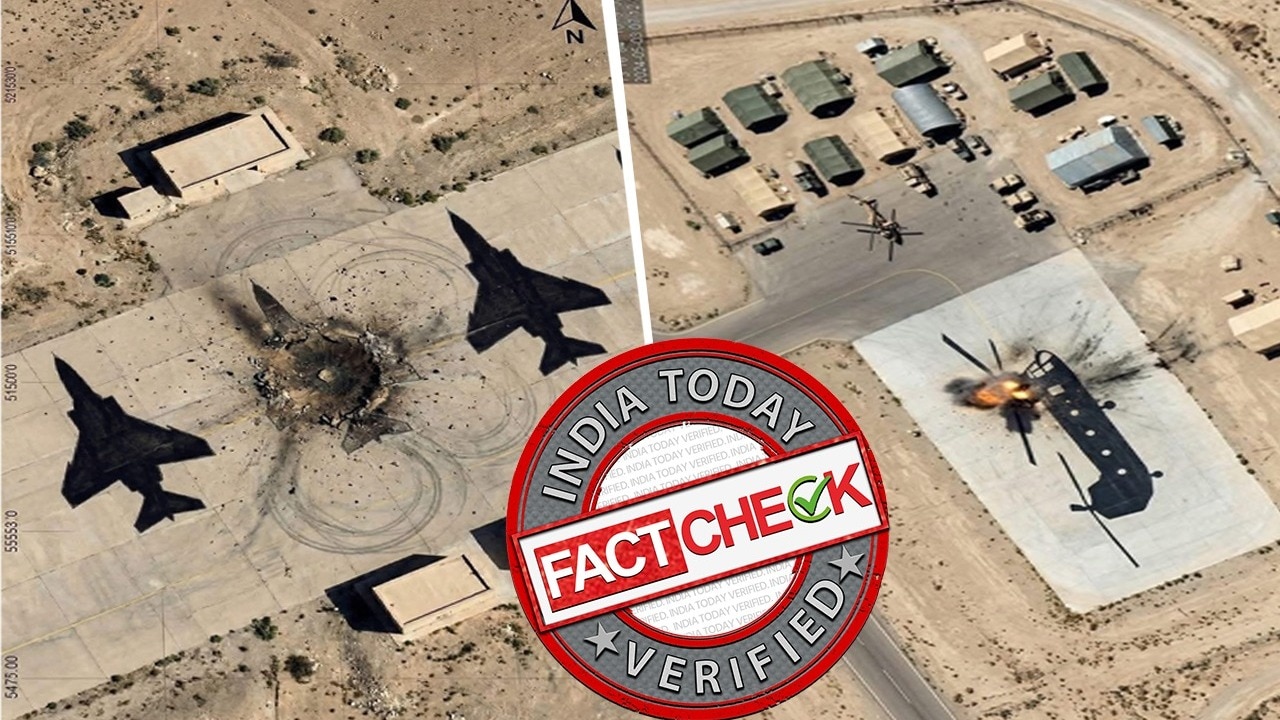
The images in question depict missile strikes hitting what appear to be painted silhouettes of fighter jets and helicopters on airfields. According to accompanying claims, Iran had strategically painted these decoys on its airbases to trick Israeli and American forces into wasting expensive munitions on fake targets.
One widely circulated image shows a missile strike impact on what looks like a fighter jet silhouette painted on an airstrip. Another depicts a black painting resembling a Chinook helicopter on an airfield, also supposedly struck by a missile. These images have been shared thousands of times, often accompanied by commentary praising Iranian military ingenuity.
However, a fact-checking investigation by India Today has conclusively determined that both images were created using artificial intelligence rather than being authentic documentation of military operations. The analysis employed SynthID Detector, a specialized tool developed by Google to identify AI-generated content created on its platforms. Results confirmed that both images contained invisible SynthID watermarks—a clear indication they were generated using Google’s AI tools and not genuine photographs.
The spread of these fabricated images comes amid legitimate speculation about deception tactics in the ongoing conflict. The Israeli Defense Forces (IDF) recently released infrared footage showing an airstrike on what appears to be an Iranian Mi-17 helicopter. Notably, the helicopter silhouette remained visible after the explosion, prompting some analysts to question whether it might have been a decoy. However, no credible reports have confirmed the use of painted decoys by Iranian forces in the current conflict.
Military deception tactics have a long history dating back to World War II, when armed forces began using decoys to protect valuable assets by creating illusions to confuse enemy targeting. These tactics can include dummy tanks, aircraft, ships, or other equipment designed to resemble actual military hardware.
Despite advances in surveillance technology and artificial intelligence, such deception remains relevant in modern warfare because it is cost-effective and can successfully confuse satellite or drone imagery. Contemporary decoy techniques have evolved to include methods that can mimic the radar signatures of actual aircraft, adding another layer of complexity to battlefield deception.
Recent conflicts have demonstrated the continuing utility of such tactics. During the Russia-Ukraine war, both sides reportedly employed decoy strategies. Russian forces allegedly deployed painted aircraft silhouettes and constructed fake planes from debris to mislead Ukrainian targeting systems. Similarly, Ukrainian forces used dummy artillery systems to divert Russian missile strikes away from actual military assets.
The circulation of fake images purporting to show Iranian decoys highlights the challenges in distinguishing fact from fiction in modern conflict reporting. As traditional media outlets work to verify information, social media platforms can rapidly spread unverified or fabricated content that shapes public perception of ongoing conflicts.
Military analysts note that while the specific images in this case were fabricated, the underlying concept of using decoys remains a legitimate and historically effective tactic that continues to be employed by military forces worldwide. The intersection of actual military deception tactics with artificial intelligence-created misinformation creates a particularly challenging environment for accurate reporting on contemporary conflicts.
As the Middle East situation continues to develop, media consumers are advised to approach unverified images and claims with caution, particularly when they depict dramatic or unusual military developments without corroboration from established news sources.
Fact Checker
Verify the accuracy of this article using The Disinformation Commission analysis and real-time sources.

7 Comments
The use of decoys and deception in military operations is certainly not new, but it’s important to verify the authenticity of any claims or images before sharing. Fact-checking is crucial to combat the spread of misinformation, especially on sensitive topics.
Absolutely. Calling out these AI-generated fakes is the right thing to do. We need to be vigilant about scrutinizing online content, especially during times of heightened tensions and conflict.
The spread of these manipulated images is a good reminder of the need for critical thinking and fact-checking, even when content seems plausible. I appreciate the Disinformation Commission’s efforts to verify the accuracy of claims like these.
It’s concerning to see how quickly misinformation can spread online, even on serious geopolitical topics. I’m glad the Disinformation Commission is staying on top of these kinds of fabricated images and setting the record straight.
Interesting, I hadn’t heard about these alleged Iranian decoy targets. It’s concerning to see misinformation like this spreading, especially around such a tense geopolitical situation. I’m glad the fact-checkers were able to confirm these images are fabricated.
While the use of decoys is a legitimate military tactic, these specific claims about Iranian decoys appear to be unfounded. It’s important to rely on reputable sources and fact-checking when it comes to sensitive international issues like this.
Agreed. Fact-checking is essential to cut through the noise and misinformation that can proliferate, especially on social media. Kudos to the Disinformation Commission for their diligent work.