


Listen to the article
Ashanti Region Leads Ghana in Female Local Government Representation
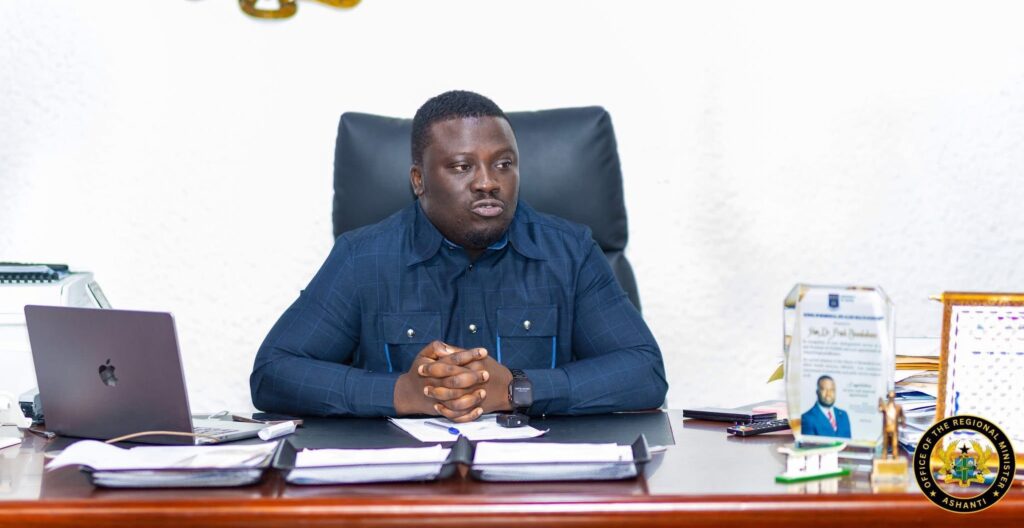
The Ashanti Region holds the distinction of having the highest number of female Metropolitan, Municipal and District Chief Executives (MMDCEs) in Ghana, a fact recently highlighted by Regional Minister Dr. Frank Amoakohene.
Speaking at an Orientation and Leadership Development Programme for female MMDCEs on March 30, 2026, Dr. Amoakohene expressed pride in the region’s leadership position. “I take pride in the fact that we host the majority of our female MMDCEs,” he stated, commending their contributions particularly during the 2024 elections.
An analysis of official data confirms the minister’s claim. The Ashanti Region currently has seven female MMDCEs out of its total 43 local government units, placing it ahead of all other regions in Ghana. The Eastern Region follows with six female appointees, while several regions—Ahafo, Bono East, North East, Oti, Savanna, and Western North—have no female representation at this level of governance.
The verification process involved examining records from the Office of the Head of Local Government Service website, which tracks appointments across Ghana’s 261 metropolitan, municipal, and district assemblies.
Ghana’s recent political landscape has brought renewed attention to gender representation in governance. In 2024, the country passed the Affirmative Action (Gender Equality) Act, which mandates 30% gender equality in various spheres by 2026. Despite this legislative framework, current data suggests the country continues to lag behind its targets.
The overall numbers remain stark: of the 261 MMDCE positions nationwide, women occupy only 30 positions (11.5%), while men hold 231 (88.5%). This significant gender imbalance exists despite constitutional provisions in Article 243(1) giving the President appointment power for these positions, subject to approval by local assemblies.
Within the Ashanti Region, the seven female appointees serve in diverse districts: Sarah Amoakoaa (Asante Akim North District), Maame Sarfoah Appiah (Asante Akim South Municipal), Pearl Patricia Ankrah (Afigya Kwabre South District), Faustilove Appiah Kannin (Obuasi West Municipal), Grace Agyemang Asamoah (Atwima Kwanwoma District), Jerryne Asante (Ejisu Municipal), and Eunice Ohenewaa Ansu (Juaben Municipal).
Dr. Amoakohene expressed confidence that the region would maintain and potentially expand its leadership in female representation. “We are also anticipating that in the future, we will not definitely lose our first position title, we will actually add more numbers from the Ashanti Region to continue to make a bold statement that yes we do have not only the men but also capable women,” he said.
The Ashanti Region’s relative success in female representation comes at a critical time as Ghana struggles to meet national targets for gender parity in governance. The region’s achievements could potentially serve as a model for other areas of the country seeking to improve their gender balance in local government leadership.
Political analysts note that increasing female representation in local governance is crucial for addressing community-specific issues that may otherwise receive inadequate attention. Local government positions are particularly important as they represent the level of governance closest to citizens, directly impacting community development and service delivery.
While the Ashanti Region’s lead in female MMDCEs represents progress, the national picture indicates that substantial work remains to achieve the 30% threshold mandated by Ghana’s Affirmative Action law before the 2026 deadline.
Fact Checker
Verify the accuracy of this article using The Disinformation Commission analysis and real-time sources.

6 Comments
The Ashanti Region’s lead in female MMDCE appointments is a positive development, but the uneven representation across Ghana suggests more work is needed to foster an enabling environment for women in local government. Inclusive governance should be a priority.
It’s great to see progress in female representation in local government leadership in Ghana. The Ashanti Region’s achievement of having the highest number of female MMDCEs is an encouraging step towards gender equality in political decision-making.
It’s encouraging to see the Ashanti Region setting an example with its high number of female MMDCEs. Ensuring women have a voice in local decision-making is crucial for responsive and equitable policies that serve all members of the community.
This data highlights both the progress made and the persistent challenges in achieving gender parity in political positions in Ghana. Continued efforts to recruit, support, and elevate qualified women into MMDCE roles will be important going forward.
The fact that several regions still have no female MMDCEs indicates there is more work to be done to increase women’s participation in local governance across Ghana. Ensuring equitable representation is crucial for inclusive policymaking.
You’re right, the gender imbalance in some regions needs to be addressed. Empowering women in leadership roles at the local level can bring valuable perspectives and drive more responsive policies for communities.