


Listen to the article
A failed coup attempt in Benin earlier this month highlighted the critical importance of reliable media coverage during times of political instability. The incident underscored why a group of fifteen Beninese journalists gathered in Cotonou from December 8 to 12 for specialized training on ethical election coverage and combating electoral disinformation.
Organized by DW Akademie in partnership with the Friedrich Ebert Foundation, the five-day workshop took place just one month before Benin’s upcoming local and legislative elections scheduled for January 2026, providing timely preparation for the media professionals.
Despite the attempted coup on December 7, which forced the training to begin online, participants remained committed to improving their journalistic skills. DW Akademie facilitators Sally Bilaly Sow and Annick Rachel Kandolo led the sessions, sharing essential ethical practices and tools to counter information disorders during election periods.
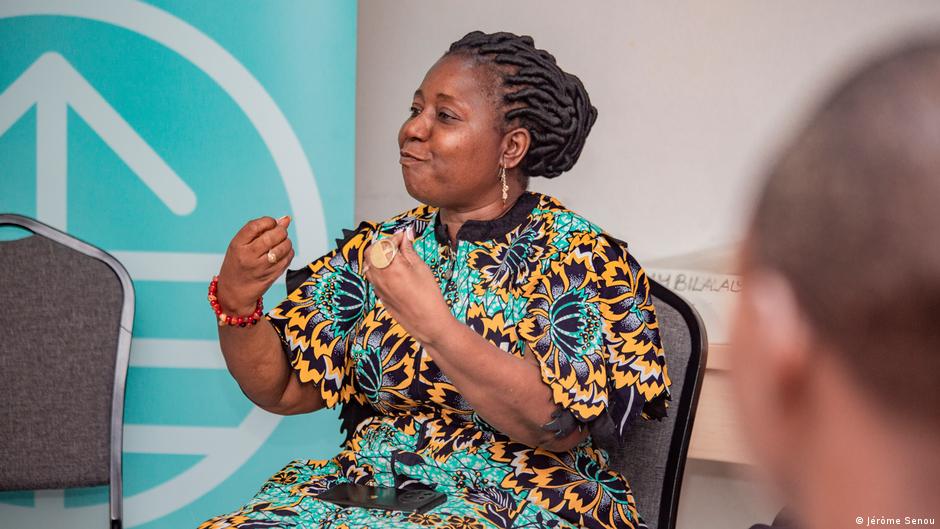
The training emphasized practical applications, with journalists from various radio stations and online outlets participating in group exercises and discussions about Benin’s legal framework for elections. When participants were able to gather in person, they continued their collaborative work on fact-checking techniques and ethical reporting standards.
During a visit to the training venue on December 11, Dr. Stefan Buchwald, Germany’s ambassador to Benin, praised the journalists’ determination to continue their professional development despite the recent political turbulence.
“The coup attempt reminded us how quickly disinformation can spread, especially on and through social media,” Buchwald noted. “It is therefore particularly important, in such an exceptional situation, to be able to count on reliable and verified media coverage.”
The ambassador highlighted Germany’s commitment to supporting democratic values in Africa, referencing the country’s “African Policy Guidelines” published in January. “Germany also supports projects in these areas in Benin, particularly projects and initiatives that promote and strengthen democratic values,” he said.
Wanda Poitschke, representing DW Akademie, expressed appreciation for the partnership with the Friedrich Ebert Foundation in supporting journalism in Benin. Meanwhile, Nouratou Zato, director of the Friedrich Ebert Foundation in Benin, emphasized the vital responsibility journalists bear, particularly during election periods.
“Information must be handled with utmost care, especially during election periods,” Zato reminded the participants.
The training’s practical focus resonated strongly with attendees. Koukoudoui Bernice, a journalist at Voice of Lalama, expressed satisfaction with the fact-checking sessions: “My expectations were met, particularly with the session on fact-checking. I am now able to conduct reverse image searches and follow verification protocols. I can now distinguish facts from opinions.”
The workshop’s emphasis on verification tools comes at a crucial time for Benin’s media landscape. In an era where misinformation can spread rapidly through social media and other channels, journalists equipped with fact-checking skills play a vital role in maintaining public trust and democratic integrity.
Gbogbo Joseph, a representative of Benin’s High Authority for Audiovisual and Communication, highlighted the importance of combining election coverage knowledge with fact-checking capabilities. “This allowed everyone to understand that, beyond the activities we conduct, we are obligated to stick to our professional ethics in order to deliver truthful information to the public,” he explained.
Looking ahead, Gbékan Firmin, vice president of the Observatory for Ethics and Professional Standards in Media (ODEM), expressed interest in further developing fact-checking training opportunities, recognizing their particular relevance “especially during this election period we find ourselves in.”
The training represents part of a broader effort by DW Akademie and the Friedrich Ebert Foundation to support free elections and healthy information ecosystems in Benin, where a well-informed electorate and ethical journalism are essential components of democratic governance.
Fact Checker
Verify the accuracy of this article using The Disinformation Commission analysis and real-time sources.

13 Comments
I’m curious to learn more about the specific ethical practices and tools that were covered in the training to counter information disorders. Equipping journalists with practical knowledge is key.
The focus on Benin’s legal framework for elections is also an important aspect, as journalists need to understand the rules and regulations to report accurately.
Holding elections during times of political instability presents unique challenges. I’m glad to see the Beninese media is receiving specialized training to navigate these issues and uphold journalistic integrity.
The emphasis on practical exercises and discussions about the legal framework for elections sounds like a smart approach to make the training as relevant and impactful as possible.
Kudos to the Beninese journalists for remaining committed to this training despite the attempted coup. Their dedication to improving their skills to counter information disorders is commendable.
The collaboration between DW Akademie and the Friedrich Ebert Foundation seems like a great partnership to support the media professionals in Benin. Combining international expertise with local context is important.
Reliable media coverage is essential for citizens to make informed decisions during elections. This training program for Beninese journalists appears to be a timely and valuable initiative.
Combating disinformation during elections is critical for protecting the democratic process. This training for Beninese journalists seems like a valuable initiative to equip them with the right skills and tools to report ethically and counter any information disorders ahead of the upcoming elections.
It’s encouraging to see journalists taking proactive steps to improve their coverage and stay vigilant against disinformation. Building their capacity is key to ensuring reliable, fact-based reporting for citizens.
Combating disinformation during elections is a global challenge, so it’s great to see this kind of capacity-building support for the Beninese media. Preparing them to report ethically and reliably is crucial.
The training’s emphasis on practical applications through group exercises and discussions sounds like a smart approach. Giving the journalists hands-on experience to apply their learnings is likely to be more impactful.
I hope this initiative has a lasting impact on the Beninese media’s ability to navigate the complexities of election coverage and maintain high journalistic standards.
Disinformation can severely undermine the democratic process, so I’m glad to see this initiative taking a proactive approach to equip Beninese journalists with the tools they need. Ethical and reliable election coverage is crucial.