


Listen to the article
Indonesia Presses Social Media Giants for Transparency on Youth Account Suspensions
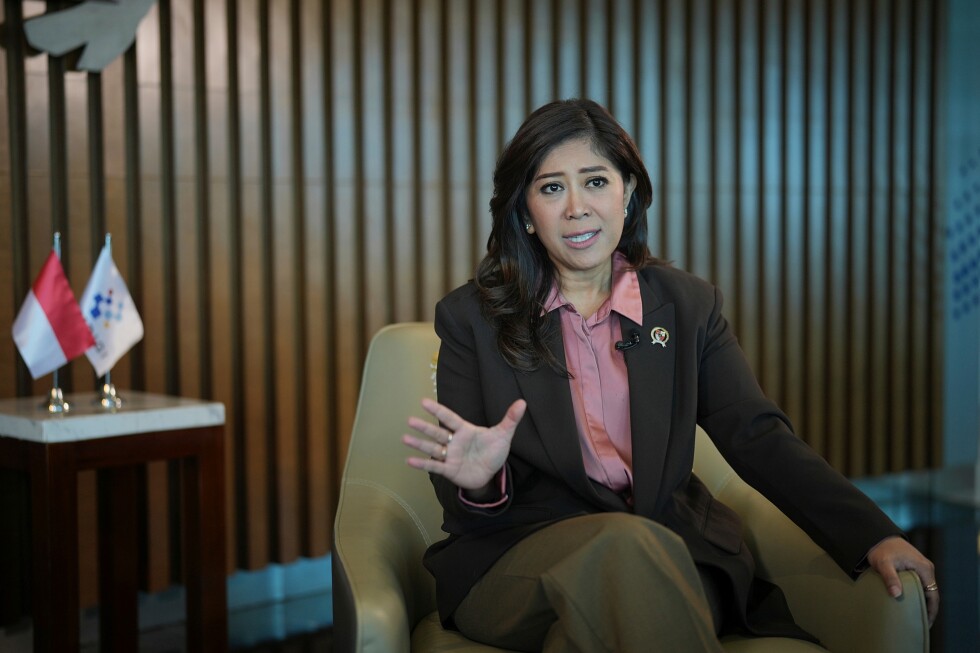
Indonesian authorities are calling for greater transparency from social media companies as the country continues its effort to restrict platform access for children under 16 years of age. Communication and Digital Affairs Minister Meutya Hafid stressed that mere compliance with regulations is insufficient without public disclosure of enforcement data.
“We will continue to insist that compliance alone is not enough; we must also report the figures to the public in the interest of transparency,” Hafid stated on Wednesday.
The Indonesian government began enforcing new regulations in late March that prohibit children younger than 16 from accessing digital platforms potentially exposing them to harmful content including pornography, cyberbullying, online scams, and addictive behaviors. The measure affects approximately 70 million young Indonesians who, according to Hafid, spend up to eight hours daily online.
Implementation has been uneven across major platforms. TikTok has emerged as the frontrunner in compliance efforts, reporting the deactivation of 1.7 million accounts belonging to users under 16. The significant number underscores the scale of the regulatory challenge in Indonesia, which boasts one of the world’s largest digital user bases.
“The country’s large population likely explains the platforms’ reluctance to accelerate compliance with this regulation,” Hafid noted.
Seven of eight platforms designated as “high-risk” have now committed to implementing age restrictions. These include YouTube, TikTok, Facebook, Instagram, Threads, X (formerly Twitter), and Bigo Live. Only Roblox, the popular gaming platform, has yet to agree to the restrictions. The company did not immediately respond to requests for comment from The Associated Press.
YouTube announced its commitment three weeks after the regulations took effect but has not disclosed specific figures regarding suspended youth accounts. A YouTube spokesperson stated Wednesday: “We remain focused on protecting the community and will continue working closely with the Indonesian government to support a secure digital future for the next generation.”
Indonesia’s policy follows similar measures implemented in Australia last December, where social media companies revoked access to approximately 4.7 million accounts identified as belonging to children. Indonesia is the first Southeast Asian nation to implement such restrictions, joining a growing global movement. Several European countries, including Spain, France, and the United Kingdom, are either implementing or considering similar protective measures amid mounting concerns about social media’s impact on youth.
The Indonesian government has permitted platforms to determine their own methods for account verification, acknowledging the complex technological landscape. “We understand the technology will continue to evolve rapidly. However, the platform is responsible for determining the best and most appropriate technology for its needs,” Hafid explained.
Critics have raised concerns about practical challenges in enforcing these regulations. Effective age verification typically requires collecting sensitive personal data, raising privacy and security concerns. Some children may circumvent restrictions by using false identification or accessing platforms through their parents’ accounts.
Nenden Sekar Arum, executive director of the Southeast Asia Freedom of Expression Network (SAFEnet), emphasized the need for government oversight of verification methods to ensure consistent compliance across platforms.
“The core problem is not the presence of children in the digital space, but how that digital space is shaped into a safe ecosystem. And how to ensure that those who are actually making this ecosystem harmful are held accountable. That is what needs to be addressed,” Arum said.
The initiative represents a significant regulatory effort in a country with one of the world’s largest and most digitally active young populations. As implementation continues, the focus appears to be shifting from initial compliance to establishing transparent reporting mechanisms and effective verification systems.
Fact Checker
Verify the accuracy of this article using The Disinformation Commission analysis and real-time sources.

13 Comments
This is an important issue that deserves attention. I’m curious to see if other countries follow Indonesia’s lead in demanding more accountability from social media platforms.
Indonesia’s move highlights the global challenge of balancing digital access and child online safety. I hope this leads to more collaborative solutions between governments and tech companies.
Kudos to Indonesia for taking a stand on this issue. Social media platforms need to be more accountable when it comes to safeguarding young users.
Agreed. Disclosing the data on underage account suspensions is an important first step, but platforms must also strengthen age verification and content moderation.
Indonesia’s push for platform transparency on underage account suspensions is a welcome development. Protecting young users should be a top priority for social media companies.
While restricting underage social media use is a noble goal, the implementation details will be crucial. I hope Indonesia and the platforms can find a workable solution.
Agreed. The challenge is balancing digital access and safety. Clear, enforceable policies and transparency from all stakeholders will be essential.
Glad to see Indonesia taking proactive steps to address the risks of underage social media use. Transparency from the platforms is crucial to evaluate the efficacy of these measures.
Interesting move by Indonesia to crack down on underage social media use. Curious to see how the platforms respond and what transparency measures they’ll take.
Protecting minors online is a complex issue – balancing digital access and safety. Transparency from platforms is key to understanding the scale and effectiveness of these policies.
This move by Indonesia highlights the need for global coordination on online child protection. Consistent standards and transparent reporting would benefit users worldwide.
Absolutely. Tackling this issue effectively requires collaboration between governments, tech companies, and child advocacy groups. A unified approach is key.
Restricting minors’ access to social media is a complex topic with valid arguments on both sides. Transparent data sharing could help inform the policy debate.