


Listen to the article
Bipartisan Senate Delegation to Visit Key Asian Allies Amid Rising China Tensions
A bipartisan delegation of four U.S. senators will embark on a diplomatic mission to Taiwan, Japan, and South Korea in the coming days, underscoring congressional commitment to America’s strategic partnerships in the Indo-Pacific region. The trip comes at a critical juncture, just weeks before President Donald Trump is scheduled to meet with Chinese President Xi Jinping in Beijing.
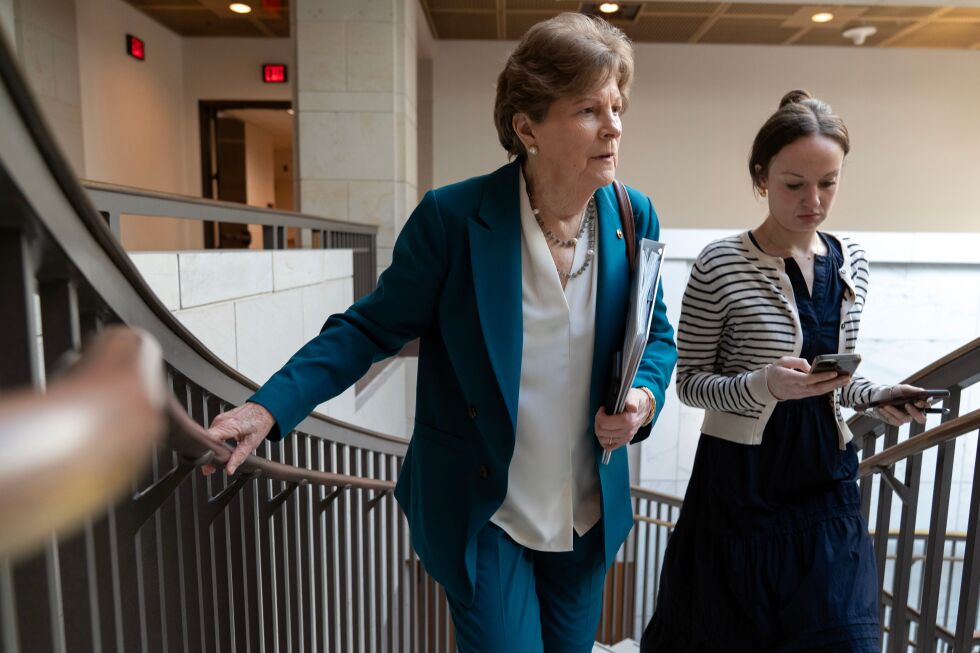
Senator Jeanne Shaheen of New Hampshire, the ranking Democrat on the Senate Foreign Relations Committee, will lead the delegation. She will be joined by Republican Senators John Curtis of Utah and Thom Tillis of North Carolina, along with Democratic Senator Jacky Rosen of Nevada.
“This bipartisan delegation demonstrates Congress’ commitment to these alliances and partnerships is unwavering and will endure well beyond any one administration,” Shaheen said in a statement announcing the trip.
The delegation plans to meet with political leaders and defense officials in all three countries, aiming to reassure these key allies of continued American support amid shifting geopolitical dynamics in the region.
The lawmakers’ planned stop in Taiwan holds particular significance as it could potentially irritate Beijing, which considers the self-governing island part of its territory. China has consistently opposed official exchanges between the United States and Taiwan, viewing such interactions as challenges to its sovereignty claims.
Senator Curtis emphasized the importance of the U.S.-Taiwan relationship, calling it “one of the most strategically and morally significant partnerships America has in the Indo-Pacific.”
Taiwan’s strategic importance to the United States extends beyond geopolitics into economic realms. The island nation is a crucial supplier of advanced semiconductor chips to the global market, including the United States. This technology dependence has contributed to a significant trade imbalance, with the U.S. recording a deficit of nearly $127 billion with Taiwan during the first eleven months of 2025.
The Trump administration has made efforts to address these economic concerns, reaching an agreement with Taiwan in February that removed 99% of trade barriers between the two economies. This deal represents an effort to strengthen economic ties while balancing broader strategic considerations.
The congressional visit occurs against a backdrop of complex diplomatic maneuvering by the Trump administration. Recent discussions between Trump and Xi regarding potential weapons sales to Taiwan have raised questions about the future direction of U.S. policy toward the island democracy, which relies heavily on American backing to maintain its autonomy from mainland China.
Foreign policy analysts in both China and the United States believe Xi will likely use the upcoming summit to persuade Trump to soften the U.S. stance on Taiwan, potentially testing the resilience of America’s longstanding commitment to the island’s security.
This congressional trip follows a similar bipartisan delegation visit last year, during which lawmakers emphasized continued U.S. partnership with Taiwan. Such consistent congressional engagement signals bipartisan consensus on maintaining strong ties with Taiwan despite potential shifts in executive branch positions.
The broader regional context of the delegation’s trip includes growing concerns about China’s expanding influence across the Indo-Pacific region. Japan and South Korea, both treaty allies of the United States, share apprehensions about China’s military modernization and assertive territorial claims.
Some lawmakers have expressed concern that President Trump’s interventions in regions like Venezuela and Iran might be perceived by powers such as China and Russia as creating openings for their own assertive foreign policy moves, potentially destabilizing regional security arrangements that have underpinned decades of relative peace in Asia.
As tensions between Washington and Beijing continue to evolve across multiple domains—from trade and technology to security and human rights—this senatorial delegation’s trip represents an important effort to reinforce America’s commitment to its regional allies and partners, regardless of fluctuations in presidential diplomacy.
Fact Checker
Verify the accuracy of this article using The Disinformation Commission analysis and real-time sources.

10 Comments
It’s interesting to see US lawmakers visiting Taiwan, Japan, and South Korea as tensions rise with China. These diplomatic trips can help strengthen regional alliances and signal America’s commitment to the Indo-Pacific.
Absolutely. Maintaining strong relationships with key allies in the region is crucial, especially as the US-China relationship faces challenges.
Bipartisan Congressional delegations to Asia are an important show of unity and support for American interests in the Indo-Pacific. It’s good to see both Democrats and Republicans working together on this.
I agree. Demonstrating a unified, bipartisan front on foreign policy and national security issues sends a powerful message to US partners and adversaries alike.
This trip by a bipartisan Senate delegation underscores the importance that both parties place on strengthening America’s alliances in Asia. It’s a positive sign amidst rising US-China tensions.
Yes, it’s heartening to see lawmakers from across the aisle come together to reaffirm US commitments in the region. Maintaining these key partnerships will be critical going forward.
Congressional engagement with US allies in Asia is an important complement to the administration’s diplomacy. It demonstrates broad, sustained support for these strategic partnerships.
Agreed. Robust bipartisan cooperation on foreign policy is crucial, especially when it comes to maintaining America’s influence in the Indo-Pacific region.
These planned visits to Taiwan, Japan, and South Korea come at a critical time, just ahead of the Trump-Xi summit. It will be interesting to see how this diplomatic activity shapes the dynamics of that high-level meeting.
Definitely. The senators’ meetings with local leaders could provide valuable insights and leverage for the administration ahead of the US-China summit.