


Listen to the article
In a significant development in the escalating Middle East tensions, British Prime Minister Keir Starmer has authorized the United States to use British military bases for targeted strikes against Iran’s missile capabilities. The decision marks a deepening of UK-US military cooperation amid growing regional instability.
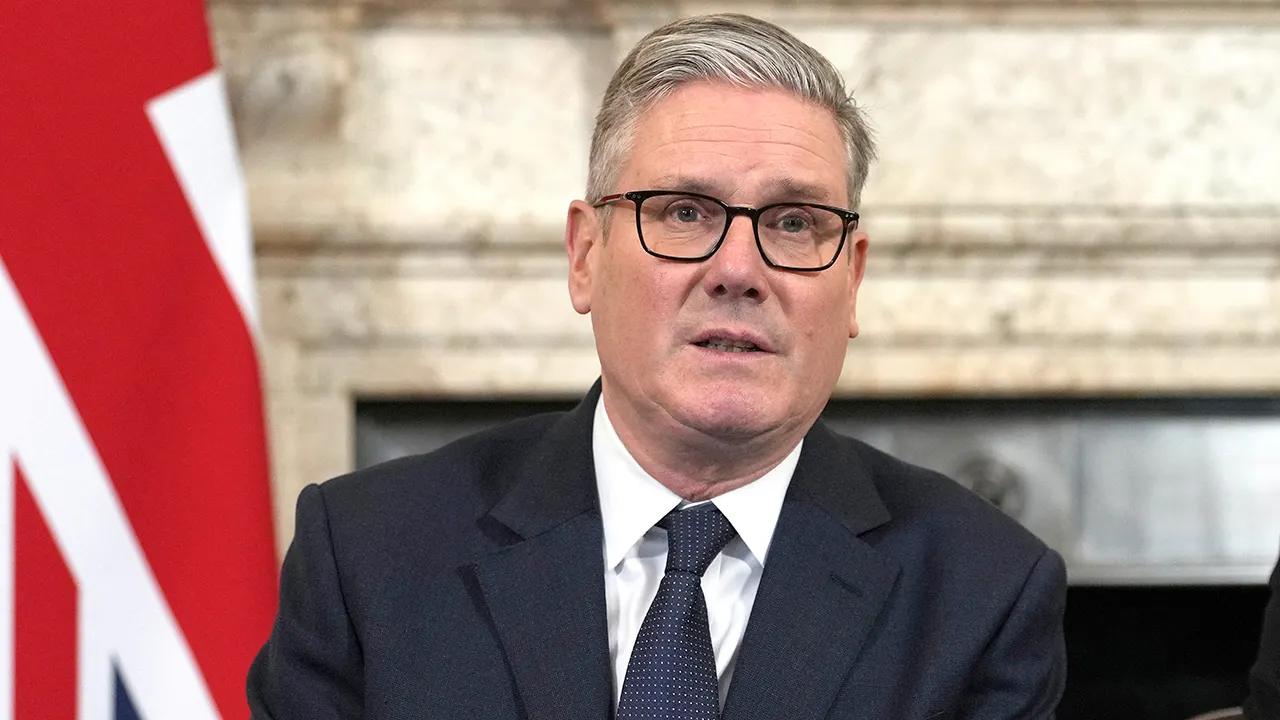
“The only way to stop the threat is to destroy the missiles at source, in their storage depots or the launchers which are used to fire the missiles,” Starmer explained in a recorded address to the British public. “The U.S. has requested permission to use British bases for that specific and limited defensive purpose. We have taken the decision to accept this request.”
The authorization comes at a critical moment following a series of military exchanges between Iran and Israel, with U.S. involvement intensifying concerns about a wider regional conflict. On February 28, following Operation Epic Fury, Starmer confirmed that British aircraft were operating across the Middle East “as part of coordinated regional defensive operations to protect our people, our interests and our allies.”
Defense Secretary John Healey revealed that two Iranian missiles had been fired in the direction of Cyprus, where Britain maintains sovereign base areas of strategic importance. The Royal Air Force reported that Typhoon jets, operating from Qatar as part of a joint UK-Qatar squadron, successfully intercepted an Iranian drone targeting Qatar.
“We’re taking down the drones that are menacing either our bases, our people or our allies,” Healey told Sky’s “Sunday Morning with Trevor Phillips” program. “We’ve stepped up alongside the Americans. We’ve stepped up our defensive forces in the Middle East. We’re flying those sorties.”
Britain’s military presence in the region includes approximately 300 personnel stationed at a naval facility in Bahrain, which has seen Iranian missiles and drones strike nearby areas. This underscores the direct threat to British interests and personnel in the region, contributing to the UK government’s decision to authorize the use of its bases.
Healey was careful to emphasize that the UK had “no part” in the American-Israeli strikes on Iran and insisted that Britain’s actions were strictly defensive in nature. “All our actions are about defending UK interests and defending UK allies,” he stated. When pressed on whether the UK would join offensive operations alongside the United States, Healey declined to speculate, maintaining the government’s cautious public posture.
The decision to allow U.S. forces to use British bases represents a significant diplomatic and military commitment from the Starmer government. It aligns the UK more closely with American strategy in the region while attempting to maintain a distinction between defensive operations and direct involvement in offensive strikes.
Downing Street confirmed that Starmer and U.S. President Donald Trump spoke by phone on February 28 about the “situation in the Middle East,” indicating high-level coordination between the two allies as tensions continue to simmer.
The British military’s involvement also highlights the multinational nature of security operations in the Gulf region. The joint UK-Qatar Typhoon Squadron exemplifies the cooperative defense arrangements that Western powers have established with Gulf states, which are increasingly concerned about Iran’s missile and drone capabilities.
The situation remains fluid, with military activity continuing across the region. The Strait of Hormuz has seen increased maritime incidents following the U.S.-Israeli operation, with reports of attacks, GPS jamming, and threats from Yemen’s Houthi rebels, who are aligned with Iran.
As Britain deepens its involvement in the regional security architecture, questions remain about the extent to which its bases will be used and the potential for further escalation if Iran responds to strikes launched from British territory. The Starmer government appears to be balancing alliance commitments with caution about being drawn into a broader conflict in a region already devastated by multiple ongoing wars.
Fact Checker
Verify the accuracy of this article using The Disinformation Commission analysis and real-time sources.

17 Comments
While I understand the desire to address the missile threat, I’m worried about the potential for this decision to further destabilize an already volatile region. Careful consideration of the long-term consequences is crucial.
This is a concerning development that could have far-reaching implications. I’m curious to hear more about the specific criteria and decision-making process that led to this authorization, as well as the measures in place to monitor and manage the risks.
Utilizing British bases for targeted strikes on Iran’s missile systems is a significant move. It will be critical to ensure these operations are precisely targeted and limited in scope to avoid broader regional destabilization.
Absolutely, the stakes are high, and any military action must be carefully weighed against the potential for unintended consequences. Maintaining transparency and working closely with allies will be crucial.
While I understand the security concerns, I’m worried that this decision could further inflame tensions in the region. I hope the UK and US are exploring all diplomatic avenues to address the missile threat before resorting to military action.
This is a complex and high-stakes situation. I’m curious to learn more about the specific intelligence and threat assessments that informed this decision, as well as the measures in place to mitigate the risks of unintended consequences.
This is a concerning development that could have far-reaching implications. I hope the UK and US are working closely with allies to explore all diplomatic and de-escalatory options before resorting to military action.
Targeted strikes to address Iran’s missile capabilities may be necessary, but the potential for unintended consequences is concerning. I hope the UK and US are taking every precaution to minimize the risks of a wider regional conflict.
Allowing the US to use British bases for strikes on Iran’s missile systems is a significant move. I hope the UK and US are working closely with allies to ensure this action is proportionate, precisely targeted, and does not escalate the conflict.
Utilizing British bases for US strikes on Iran’s missile systems is a high-stakes decision. I hope the UK and US are closely coordinating with regional partners to explore all diplomatic and de-escalatory options before resorting to military action.
This is a complex and rapidly evolving situation. I hope the UK and US can work closely with regional partners to find a solution that enhances security without escalating the conflict.
Utilizing British bases for strikes on Iran’s missile systems is a significant escalation. I hope the UK and US are closely coordinating with regional partners to ensure this action is proportionate and does not spark a wider conflict.
Allowing the US to use British bases for strikes on Iran’s missile systems is a high-stakes decision. I’m curious to hear more about the specific strategic considerations and risk assessments that led to this authorization.
While I understand the desire to address the missile threat, I’m concerned about the implications of this decision. Deepening military cooperation between the UK and US in the region could further aggravate tensions.
That’s a fair point. Diplomatic efforts to reduce tensions and find a peaceful resolution should be the priority, even if military options are on the table as a last resort.
This is a concerning development, as it risks further escalating tensions in the Middle East. While protecting allies and interests is understandable, military strikes could have unintended consequences and lead to a wider conflict.
I agree, de-escalation should be the priority here. Diplomacy and sanctions may be more prudent options to address Iran’s missile capabilities without resorting to direct military action.