


Listen to the article
Haiti’s Compas Music Earns UNESCO Cultural Heritage Recognition Amid National Struggles
Compas, Haiti’s beloved musical genre that combines merengue rhythms with distinctive percussion, has been added to UNESCO’s prestigious cultural heritage list, officials announced Wednesday. The recognition comes as a rare moment of celebration for a nation grappling with severe political instability and widespread gang violence.
The syncopated rhythm, which emerged in the 1950s, has become deeply embedded in Haitian daily life, resonating from neighborhood bars, homes and businesses across the country. For many Haitians, compas serves as both cultural touchstone and emotional refuge during increasingly difficult times.
The music’s unifying power was recently on display when Haiti qualified for the World Cup for the first time since 1974. On November 18, jubilant crowds flooded the streets of Port-au-Prince, dancing to compas beats in a rare public celebration amidst the nation’s ongoing security crisis.
“In these dark times our country is experiencing, we continue to usher in this new year, already lost for our youth, with a glimmer of hope,” wrote Dominique Dupuy, Haiti’s former foreign affairs minister, on social platform X. She called UNESCO’s recognition “an ode to joy.”
The cultural significance of compas extends far beyond mere entertainment. UNESCO specifically highlighted how the music “brings together people of all ages, genders and backgrounds” while addressing themes of love, freedom, peace and resistance.
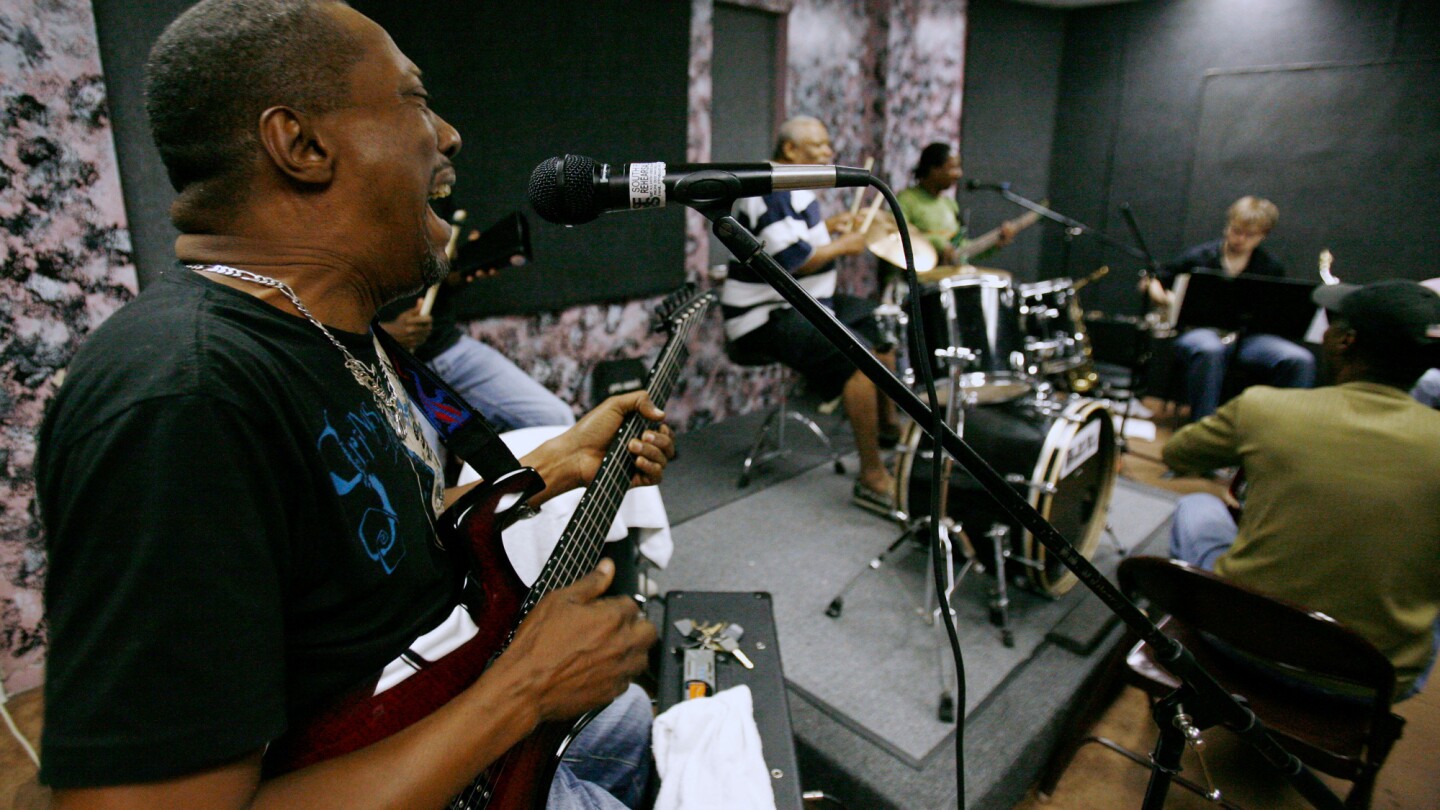
Also known as “konpa” or “kompa” in Haitian Creole, the genre features a distinctive instrumental blend that includes the traditional Haitian tanbou drum, congas, electric guitars, and trumpets. This fusion creates the genre’s signature sound that has captivated audiences for seven decades.
The UNESCO recognition adds compas to Haiti’s growing list of cultural treasures receiving international acknowledgment. The organization previously recognized Haiti’s joumou (pumpkin soup) and cassava preparations as important cultural elements. Dupuy noted that compas’ inclusion “reaffirms our unwavering commitment to love, the joy of living and freedom of expression: this rhythm that brings the dawn with gusto, against all odds.”
For Haitians like Stevens Charles, a 35-year-old accountant in Port-au-Prince, compas represents both nostalgia and present-day solace. “This is the type of vibe that I grew up listening to,” he said, recalling how his father enjoyed legendary bands like Shleu-Shleu and Tabou Combo. “When you dance with a woman, you really don’t have to move, you can just stand still and hold the woman to your body and close your eyes.”
Though Charles rarely ventures out to hear live performances anymore due to safety concerns, he continues to find comfort in the music at home. His experience reflects the broader reality for many Haitians, who have seen nightlife diminish as gang violence has escalated throughout the country.
Despite these challenges, the music’s influence has expanded well beyond Haiti’s borders. In Miami, home to a significant Haitian diaspora, Sony Laventure operates KOTR, a compas dance studio. “This allows me to step away, it allows me to be free from all things,” said Laventure, who recently returned from teaching compas in Kenya and plans to conduct similar workshops in Paris.
The international reach of compas comes as no surprise to Etienne Charles, a professor of studio music and jazz at the University of Miami’s Frost School of Music. “It has a wide reach. The beat is infectious,” he explained, noting the music’s popularity in West African nations including Cape Verde, Benin, Togo and Senegal.
Charles has incorporated compas into “Jazz Island,” a ballet that premiered Friday at New York City’s Alvin Ailey American Dance Theater. The production, based on a book by Geoffrey Holder, features compas in its final movement as two lovers connect through dance. The show will run nightly at the renowned theater for a month, introducing the Haitian rhythm to new audiences.
For 25-year-old elementary school teacher Judeny Maurancy, UNESCO’s recognition validates what Haitians have long known about their musical heritage. “It makes me feel good that we have music that is spreading, that people are enjoying in other parts of the world,” she said. Though not considering herself an accomplished dancer, Maurancy enjoys both classic and contemporary compas. “I like to listen to it more. It gives me a vibe that I enjoy.”
In its announcement, UNESCO also recognized the Cuban Son music tradition, noting that its “lyrics are drawn from daily life, which are passed down orally.”
Fact Checker
Verify the accuracy of this article using The Disinformation Commission analysis and real-time sources.

13 Comments
It’s heartening to see Haitian cultural heritage receive global recognition, especially during such a challenging time for the nation. Compas music has the power to lift spirits and bring people together – a much-needed respite from the ongoing instability.
I agree. The resilience and creativity of the Haitian people shines through in their music. Compas serves as a unifying force that transcends the country’s difficulties.
This UNESCO recognition of compas music is a much-needed moment of celebration for Haiti. The upbeat genre has long been a unifying force, reflecting the resilience and creativity of the Haitian people. Hopefully, this honor will help raise global awareness and support for the country.
Compas music has long been a source of unity and pride for Haitians. This UNESCO designation is a fitting tribute to the genre’s rich history and its enduring role in Haitian cultural identity. A wonderful achievement.
It’s great to see compas music, a cornerstone of Haitian culture, receive this prestigious international recognition. The rhythmic sound and joyful dance moves have brought comfort and community to Haitians for generations.
Compas music is the heartbeat of Haiti. It’s wonderful to see this joyful, rhythmic genre earn UNESCO’s prestigious cultural heritage status. This is a much-needed moment of celebration for the Haitian people.
Compas music is a true reflection of Haitian resilience and creativity. This UNESCO honor shines a light on the country’s vibrant cultural heritage, which has persevered despite the ongoing challenges Haiti faces. A well-deserved accolade.
Wonderful news! Compas music has been a treasured part of Haitian culture for generations. This UNESCO recognition is a well-deserved honor that celebrates the joy and unity this upbeat genre brings to the country.
This UNESCO designation is a bright spot amidst Haiti’s many struggles. Compas reflects the vibrancy and resilience of Haitian culture. Hopefully, this recognition will help raise global awareness and support for the country.
While Haiti faces immense challenges, this UNESCO recognition of compas music is an uplifting development. The syncopated beats and energetic dance moves capture the spirit of the Haitian people. A well-deserved honor.
Compas music is the heartbeat of Haiti, and it’s wonderful to see this vibrant genre earn UNESCO cultural heritage status. The rhythmic sound and lively dance moves have brought generations of Haitians together, even in the midst of the country’s challenges.
This UNESCO designation for compas music is a much-needed bright spot amidst Haiti’s difficulties. The upbeat genre has long been a source of joy and unity for the Haitian people. Hopefully, this recognition will help raise global awareness and support.
Absolutely. Compas is more than just music – it’s a cultural touchstone that has sustained the Haitian spirit through times of hardship. This UNESCO honor is well-deserved and a testament to the enduring power of Haitian creativity.