


Listen to the article
Ukrainian Athlete Finds Global Platform at UN After Olympic Ban
Vladyslav Heraskevych never imagined that being barred from the Olympics would lead to an invitation to address the United Nations. The Ukrainian skeleton athlete spoke Thursday at the opening ceremony of Change the World Model United Nations, sharing his story with thousands of students after being prevented from competing at the Milan Cortina Games.
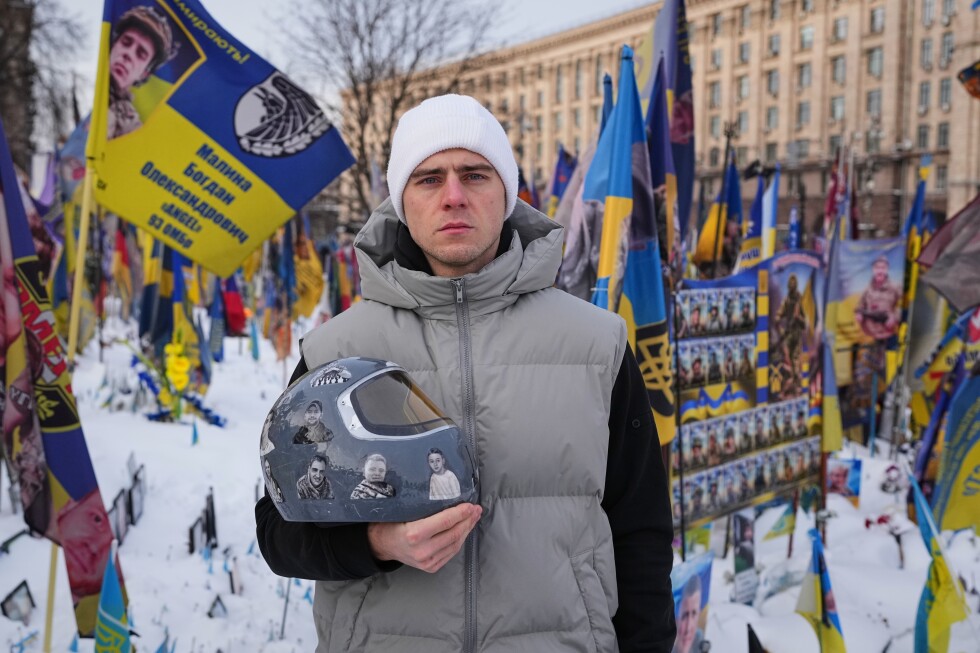
Heraskevych was banned from Olympic competition for his determination to wear a helmet commemorating Ukrainian athletes and coaches killed during Russia’s invasion of his homeland. The tribute, which featured the names of approximately two dozen victims, was deemed “inconsistent with the Olympic Charter and Guidelines on Athlete Expression” by the International Bobsled and Skeleton Federation.
“I think it’s important that we use this stage and talk about important things,” Heraskevych told the audience at the UN. “Sometimes it feels like, in all these hours of training, we really forgot about the overall mission of sports. It is not only about the medals, but it’s also about values that we represent.”
The International Olympic Committee had offered compromises, suggesting he could wear a black armband or display the helmet when not competing, but Heraskevych stood firm on his original intention. During Thursday’s UN panel, the names of the Ukrainian athletes from his “memory helmet” were read aloud, drawing applause from attendees.
Heraskevych shared the stage with Shiva Amini, a former Iranian women’s soccer player who received asylum in Switzerland in 2017 after facing threats from the Iranian government. Amini had been photographed playing soccer with men without wearing the mandatory hijab, leading to her exile. She now resides in New York.
“We can save lives with sport,” Heraskevych emphasized during his presentation. “Sport gave people some hope.”
Despite his Olympic season ending prematurely, Heraskevych’s athletic career continues. He plans to compete in select World Cup races in the upcoming season, including one at the Cortina d’Ampezzo track—the very venue he was prevented from racing on during the Olympics. With characteristic determination, he also intends to continue his career through the 2030 Olympics.
Beyond his sporting pursuits, Heraskevych maintains a frenetic schedule of humanitarian work. He and his father lead a foundation supporting people and organizations in Ukraine, with a primary focus on providing generators to address the widespread power outages plaguing the country. Many regions face blackouts and unreliable electricity due to war-damaged infrastructure.
Heraskevych, who is trained as a physicist, is also leveraging his scientific background to develop solutions for various problems created by the ongoing conflict. During his UN appearance, he wore a vyshyvanka, a traditional Ukrainian embroidered shirt, reflecting his commitment to showcasing Ukrainian culture globally.
“My goal is to get support and get awareness for Ukraine,” Heraskevych said, “and not only about the war in Ukraine.” He plans to promote Ukrainian cuisine internationally as another way to highlight his country’s cultural heritage.
When asked if he regrets his decision to insist on wearing the commemorative helmet despite knowing it might cost him his Olympic opportunity, Heraskevych remains resolute.
“I believe I had the full right to wear this helmet, and to me, not wearing it would be like a betraying of my principles,” he explained. “The people pictured on the helmet were victims of the war. It’s not right to betray them, too… These people sacrificed their lives. They were not afraid. It’s not right to betray them. So, I don’t feel any regret. I regret that I could not participate, but it was not my fault.”
The athlete’s stance has sparked broader discussions about the intersection of sports, politics, and humanitarian issues on the international stage, especially in the context of ongoing global conflicts. While Olympic officials maintain that keeping political statements out of competition preserves the Games’ neutrality, advocates like Heraskevych argue that some causes transcend politics and speak to fundamental human values.
Fact Checker
Verify the accuracy of this article using The Disinformation Commission analysis and real-time sources.

9 Comments
It’s admirable that this Ukrainian athlete is using his platform to bring attention to the victims of the invasion. Sports should be about more than just medals – upholding values and honoring those who have sacrificed is equally important.
The International Olympic Committee’s response is highly disappointing. Censoring an athlete’s tribute to fallen countrymen goes against the very spirit of the Olympics. I hope this Ukrainian athlete’s UN speech inspires others to speak up for important causes.
This is an inspiring story of an athlete using his voice for a meaningful cause. The IOC’s decision to ban his tribute honoring fallen Ukrainians is deeply troubling. I’m glad he found a platform at the UN to share his message and bring awareness to this issue.
Agreed. The IOC’s actions were shameful, but this athlete is showing true leadership in finding another way to honor those who have sacrificed. His UN address is an important moment.
Yes, it’s admirable that he is not being silenced. The UN speech is a powerful way to shine a light on this tragedy and the importance of upholding human values through sports.
It’s disheartening to see the IOC prevent this athlete from honoring fallen Ukrainians at the Olympics. But I’m glad he found another prominent platform at the UN to share his story and message. Sports should be about more than just medals – upholding human values matters just as much.
Absolutely. The IOC’s decision to ban his tribute was short-sighted and goes against the true spirit of the Olympics. This athlete is showing true courage in using his platform to highlight this important issue.
This is a powerful example of an athlete using their voice for a meaningful cause. Banning him from the Olympics for honoring fallen Ukrainian Olympians is extremely disheartening. I’m glad he found a platform at the UN to share his story.
Kudos to this Ukrainian skeleton racer for not being silenced. Using the UN as a global stage to champion his country’s athletes and coaches killed in the war is a powerful act of defiance. The IOC should be ashamed for banning his tribute.