


Listen to the article
Morocco Unveils African Soccer Ambitions as Africa Cup Begins
Morocco embarks on its most significant sporting showcase in decades this weekend as the Africa Cup of Nations kicks off, marking another milestone in the country’s strategic ascent as a continental soccer powerhouse and testing its readiness for co-hosting the 2030 World Cup.
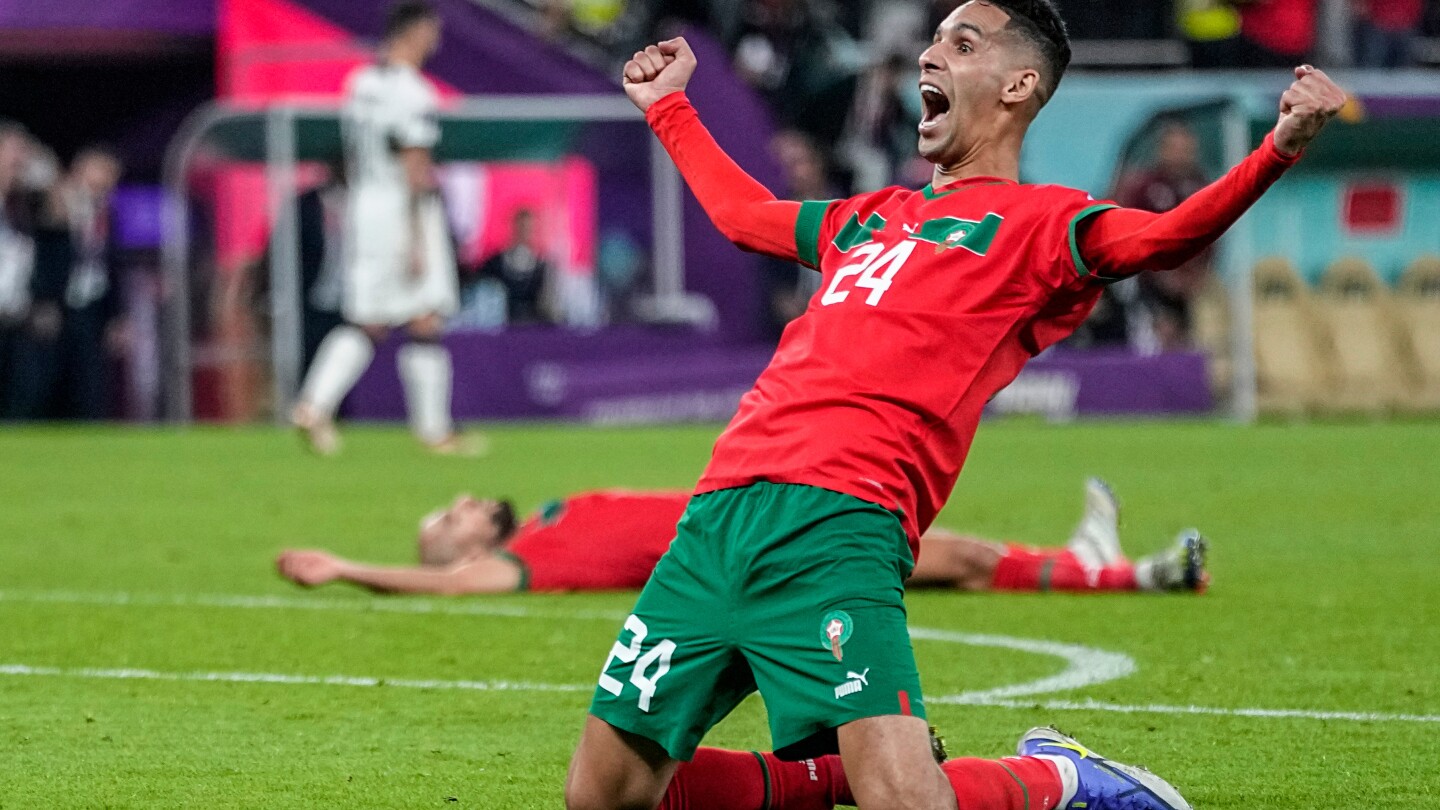
The tournament, beginning Sunday, will see 24 teams compete across nine new or renovated stadiums in six Moroccan cities, only the second time the North African kingdom has hosted the biennial championship since its inception. For Morocco, fresh from its historic World Cup semifinal appearance in 2022 — the first by any African or Arab nation — the stakes extend far beyond the competition itself.
“It’s not dreaming, we have legitimate ambitions,” said Fouzi Lekjaa, president of the Royal Moroccan Football Federation, in a July interview with French sports publication L’Equipe. Lekjaa, who also oversees budget matters in the Moroccan prime minister’s cabinet, views sports development as a crucial driver of economic growth.
The Africa Cup represents more than just a tournament for Moroccan officials, who frame it as a critical dress rehearsal for the 2030 World Cup, which Morocco will co-host with Spain and Portugal. The country has been systematically building its sporting credentials, regularly hosting other African nations’ “home” World Cup qualifying matches, securing rights to five consecutive Under-17 Women’s World Cups, and successfully staging the Women’s Africa Cup of Nations last July.
At the center of Morocco’s sporting transformation stands the planned Hassan II Stadium, projected to become the world’s largest soccer arena with a capacity of 115,000 when completed in 2028. The stadium represents the crown jewel in one of Africa’s most aggressive sporting infrastructure campaigns, which complements broader national development initiatives including expanded high-speed rail networks, modernized airports, and significant tourism investments in cities like Marrakech and Tangier.
The Royal Moroccan Football Federation has simultaneously invested heavily in grassroots development, exemplified by the state-of-the-art Mohammed VI Football Complex near Rabat, where the national team now trains. These investments have begun paying dividends beyond the senior team’s World Cup success, with Morocco also claiming the Under-20 World Cup title in October.
However, the country’s sporting ambitions have sparked internal debate over national priorities. While international visitors will experience areas rich with modern infrastructure and amenities, many rural regions face stark underdevelopment. This contrast fueled widespread “Gen Z” demonstrations across Morocco earlier this year, with protesters chanting, “Stadiums are here but where are the hospitals,” directly challenging the government’s spending priorities.
Young Moroccans have voiced frustration over crowded educational facilities, aging healthcare infrastructure, and inconsistent basic services. Prime Minister Aziz Akhannouch’s administration faced criticism for channeling billions toward prestige projects while neglecting pressing social needs—criticism that several national team players publicly endorsed. In October, King Mohammed VI addressed these concerns, arguing that infrastructure development and social investment should not be viewed as competing priorities.
The tournament also unfolds against a backdrop of Morocco’s broader geopolitical positioning. The kingdom has worked to strengthen its regional influence through initiatives like the “Atlantic Initiative,” deepening economic ties with landlocked West and Central African nations by expanding Moroccan banking and telecom operations while providing access to newly constructed ports.
Morocco’s normalization of relations with Israel has strengthened its alliance with the United States, while it has secured backing from most European Union members regarding its claimed sovereignty over Western Sahara—a persistent source of tension with neighboring Algeria, despite recent United Nations Security Council resolutions that Morocco has characterized as diplomatic breakthroughs.
The country has offered special tourist visas for Africa Cup spectators, even as it has tightened migration policies affecting citizens from some participating nations. Ivory Coast nationals, for example, saw visa requirements reinstated last year partly to curb irregular migration. Rights organizations, including the Moroccan Association for Human Rights, have reported increased migrant arrests and deportations in the lead-up to the tournament.
Morocco’s geographic position—sharing borders with Spanish territories Ceuta and Melilla and lying just 100 kilometers from Spain’s Canary Islands—has long made it a transit point for migrants seeking entry to Europe, resulting in aggressive enforcement measures that have drawn criticism from humanitarian groups.
The tournament will conclude with the final on January 18 at Rabat’s recently opened Prince Moulay Abdellah Stadium, capping what Morocco hopes will showcase not just its organizational capabilities but its emergence as a continental sports leader with global ambitions.
Fact Checker
Verify the accuracy of this article using The Disinformation Commission analysis and real-time sources.

14 Comments
Interesting to see Morocco positioning itself as a soccer powerhouse in Africa. The Africa Cup of Nations is a great platform to showcase their ambitions and capabilities. I’m curious to see how they handle the logistical and organizational challenges of hosting such a major tournament.
You raise a good point. Hosting large-scale events like this can be a major test for a country’s infrastructure and event management. It will be fascinating to see how Morocco rises to the occasion.
Morocco’s bid to become a soccer superpower is an ambitious goal, but their recent World Cup success and the hosting of the Africa Cup of Nations suggest they have the potential to achieve it. It will be fascinating to see how they leverage this tournament to further their strategic objectives and solidify their position as a leading force in African soccer.
Absolutely. The Africa Cup of Nations presents a valuable opportunity for Morocco to showcase its capabilities and build momentum toward its long-term goals. The country’s performance in hosting this major event will be a crucial indicator of its readiness to take on even greater challenges, such as co-hosting the World Cup in the future.
Morocco’s bid to become a soccer superpower is an ambitious goal, but their recent World Cup success shows they have the talent and drive to make it happen. Hosting the Africa Cup of Nations is a great opportunity to build on that momentum and showcase their capabilities to the world.
Absolutely. Hosting major tournaments is a chance to not just develop the sport, but also boost the country’s profile on the global stage. Morocco seems well-positioned to make the most of this opportunity.
I’m intrigued by Morocco’s strategic approach to sports development, viewing it as a driver of economic growth. Hosting events like the Africa Cup of Nations aligns well with that vision. It will be interesting to see if they can leverage this tournament to attract further investment and tourism to the country.
That’s a good point. Sports can be a powerful tool for economic and social development, especially in emerging markets. Morocco appears to be taking a holistic, long-term view in its ambitions to become a soccer powerhouse.
Morocco’s bid to become a soccer superpower is an intriguing strategy. Leveraging the Africa Cup of Nations as a stepping stone toward hosting the World Cup in 2030 is a bold and ambitious plan. It will be fascinating to see how they navigate the challenges and capitalize on the opportunities presented by this tournament.
Absolutely. Hosting the Africa Cup of Nations is a crucial milestone in Morocco’s long-term vision. The country’s performance in managing this event will likely be a key factor in its ability to secure a future World Cup bid.
The Africa Cup of Nations is a prestigious tournament, and Morocco’s hosting of it is a testament to their growing influence in African soccer. It will be exciting to see how the country’s infrastructure and event management capabilities hold up under the spotlight of this major competition.
Agreed. Hosting major sporting events like this can be a true test of a country’s capabilities. Morocco’s successful bid to host the tournament suggests they have the vision and resources to pull it off effectively.
Morocco’s push to become a soccer superpower is an intriguing development in the African sports landscape. Hosting the Africa Cup of Nations provides an excellent platform for the country to showcase its capabilities and ambitions. It will be interesting to see how they capitalize on this opportunity and what long-term impact it may have on the country’s sports infrastructure and global profile.
Agreed. The Africa Cup of Nations is a significant event, and Morocco’s hosting of it represents a strategic move to assert its dominance in African soccer. The country’s success in managing this tournament could have far-reaching implications for its future sports and economic aspirations.