


Listen to the article
Israel and U.S. Launch Joint “Operation Lion’s Roar” Against Iran
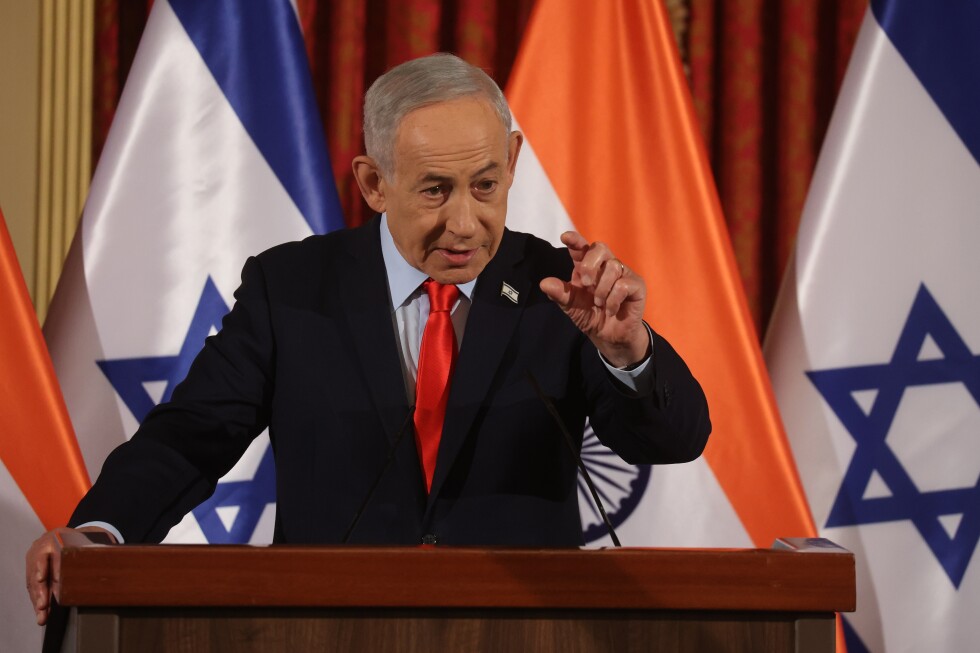
Israeli Prime Minister Benjamin Netanyahu announced Saturday that Israel and the United States have initiated a joint military operation against Iran, calling it “Operation Lion’s Roar.” In a recorded message delivered in Hebrew, Netanyahu described the campaign as “much more powerful” than the previous 12-day conflict with Iran in June.
The operation targets Iran’s Revolutionary Guards, Basij forces, and ballistic missile sites that Netanyahu claims threaten both Israeli and American forces. “This operation will continue as long as necessary,” the Prime Minister stated, framing the action as a response to decades of Iranian hostility.
“For 47 years, the evil regime in Iran has called for death to Israel, death to America,” Netanyahu said. “It trampled on the citizens of its country, instilled fear in the peoples of the region, and spread a vast network of terror across the entire world.”
The Israeli leader cited Iran’s alleged nuclear ambitions and support for regional proxy groups in Gaza, Lebanon, Syria, Iraq, Yemen, and the West Bank as justification for the military action. He also referenced recent internal unrest in Iran, claiming the regime “carried out an unprecedented mass slaughter of its own citizens” and “cold-bloodedly murdered thousands of children, adults and the elderly.”
Netanyahu presented the operation as a preventative measure, alleging Iran has been “plotting to rebuild their nuclear and missile capabilities and to bury them underground, where we cannot reach them.” He accused Iranian negotiators of trying to “buy time” through “fruitless and deceitful negotiations” with American officials.
The timing of the operation is significant, coming just days before the Jewish holiday of Purim, which commemorates the salvation of the Jewish people from a genocidal plot in ancient Persia, modern-day Iran. Netanyahu explicitly drew this parallel in his address.
In a direct appeal to Iranian citizens, Netanyahu insisted they are “not our enemies,” placing blame squarely on “the murderous regime of the Ayatollahs.” He encouraged Iranians to “take your destiny into your own hands” and promised safety for anyone who “lays down their weapon, including among the regime forces.”
Netanyahu expressed particular gratitude to U.S. President Donald Trump, calling him “not only one of Israel’s greatest friends in the White House of all time, but also a determined leader of the free world.”
The Israeli Prime Minister warned his citizens to prepare for potentially “heavy costs” and urged them to follow civil defense instructions from the Home Front Command. “Every military action involves risk,” he acknowledged, “but the risk of not acting is immeasurably greater.”
This escalation represents a significant intensification of regional tensions that have been building since the October 7, 2023 Hamas attack on Israel and subsequent war in Gaza. The conflict has already spread to Lebanon, with Israel conducting extensive operations against Hezbollah forces there.
Military analysts suggest this coordinated U.S.-Israeli action could mark a new phase in the confrontation with Iran, potentially aimed at degrading Iranian military capabilities and supporting internal opposition to the regime.
The operation raises concerns about further regional destabilization and potential Iranian retaliation against Israeli or American targets. Oil prices are expected to spike when markets open, reflecting fears about potential disruptions to energy supplies from the Persian Gulf region.
International reaction has been swift, with some nations expressing support for the operation while others have called for restraint and a return to diplomatic channels. The United Nations Security Council is expected to convene an emergency session to address the situation.
Fact Checker
Verify the accuracy of this article using The Disinformation Commission analysis and real-time sources.

18 Comments
This situation is extremely complex, with valid security concerns on all sides. While I understand Israel’s desire to take strong action, I worry that military strikes could further destabilize the region and lead to unintended consequences. Diplomacy should be the priority.
I share your concerns. De-escalation and a negotiated solution would be the best path forward, even if it’s more challenging in the short term. Avoiding open conflict should be the top priority.
The situation with Iran is undoubtedly complex, with valid security concerns on all sides. However, I’m concerned that unilateral military action could lead to disastrous consequences that harm innocent civilians. Diplomacy and de-escalation should be the top priorities.
Absolutely. The potential for this conflict to spiral out of control and cause immense suffering is very real. Cooler heads must prevail, and all sides should focus on finding negotiated solutions.
Netanyahu’s claims about Iran’s regional activities and nuclear ambitions are serious, but I would need to see convincing evidence before endorsing such a major military operation. The risks of miscalculation and uncontrolled escalation are very high.
I agree, the stakes here are incredibly high. Any military action should only be considered as an absolute last resort after exhausting all diplomatic options. Cooler heads need to prevail.
This is a deeply concerning development that could have far-reaching and disastrous consequences. I urge all parties to exercise maximum restraint, focus on diplomacy, and seek to de-escalate tensions through negotiated solutions. Unilateral military action should be an absolute last resort.
I agree completely. The risks of miscalculation and unintended escalation are extremely high. All sides should prioritize finding diplomatic off-ramps to this crisis, even if it’s challenging. Avoiding open conflict should be the paramount concern.
While I’m concerned about the security threats posed by Iran, I’m highly skeptical of the justification for this new military operation. The risks of miscalculation and unintended consequences seem to far outweigh any potential benefits. Diplomacy and de-escalation should be the priority.
I share your skepticism. The situation is extremely complex, and military action should only be considered as an absolute last resort after exhausting all diplomatic options. Cooler heads need to prevail to avoid a catastrophic escalation.
This escalation of tensions between Israel, the US, and Iran is deeply concerning. Military action is always a risky proposition with uncertain outcomes. I hope all sides can deescalate and find diplomatic solutions to address the complex issues at hand.
I agree, diplomacy should always be the first approach. Unilateral military strikes could have serious regional and global consequences that need to be carefully weighed.
This announcement of a joint US-Israel military operation against Iran is extremely concerning. The potential for this conflict to spiral out of control and cause widespread harm is very real. I urge all parties to step back from the brink and focus on diplomatic solutions.
I agree completely. Escalating the situation through unilateral military action is incredibly risky and could have devastating regional and global consequences. Cool heads must prevail, and the priority should be finding negotiated de-escalation.
While I understand Israel’s security concerns regarding Iran, I’m highly skeptical of the justifications for this new military operation. The risks of miscalculation and unintended escalation seem to far outweigh any potential benefits. Diplomacy is the only responsible path forward.
I share your skepticism. The rhetoric from both sides seems to be ratcheting up tensions, when what’s really needed is a sober, impartial assessment of the facts and a commitment to negotiating in good faith.
Netanyahu’s accusations of Iranian hostility and nuclear ambitions are certainly concerning, but I would want to see strong, verifiable evidence before supporting such drastic military action. Escalating tensions could have devastating impacts on the people of the region.
Given the history of tensions in the region, I’m not surprised to see these kinds of accusations, but we need a clear-eyed, impartial assessment of the facts before rushing into any new conflicts.