


Listen to the article
Japan’s Largest Nuclear Plant Resumes Operations After Fukushima-Era Shutdown
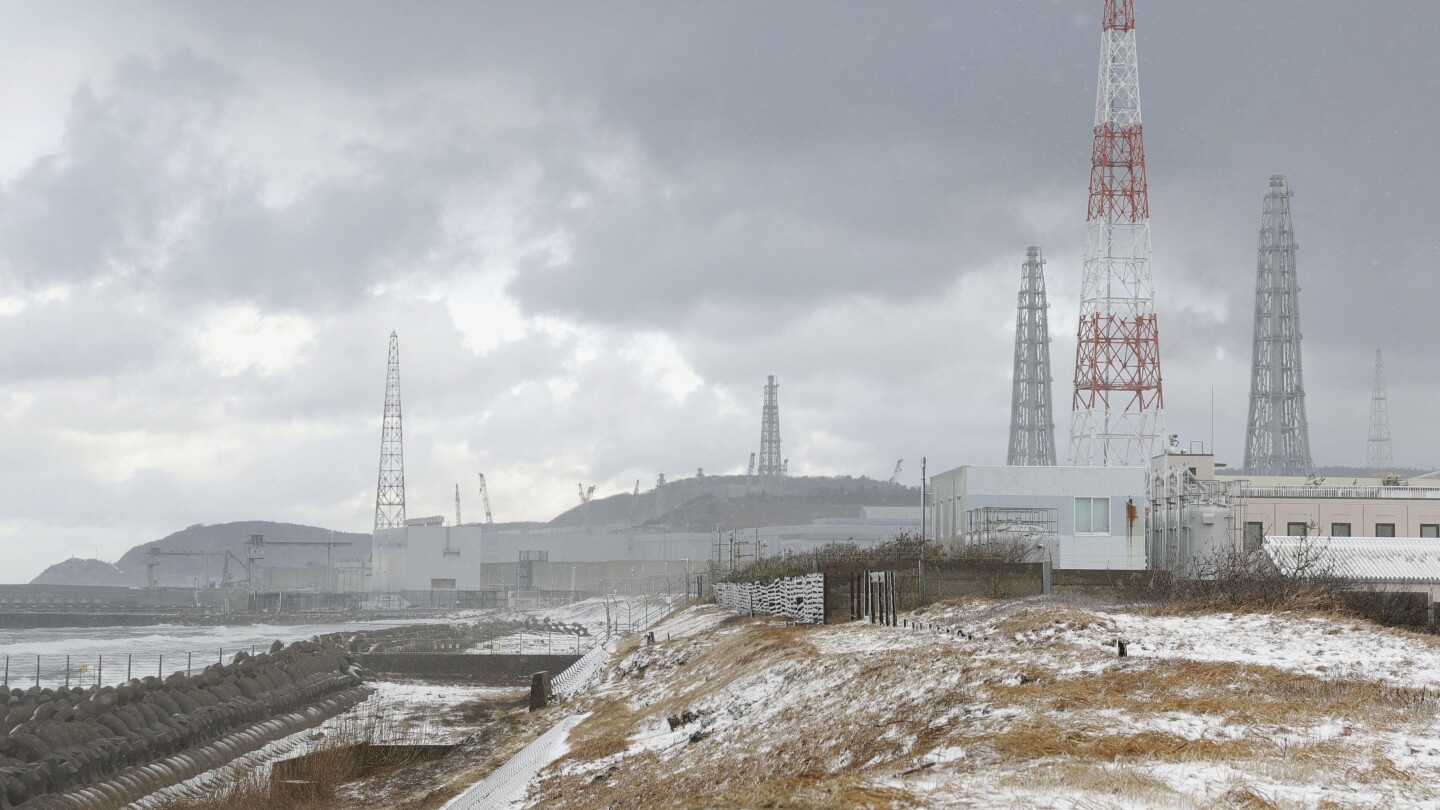
The world’s largest nuclear power plant restarted operations Wednesday in north-central Japan, marking a significant milestone in the country’s post-Fukushima nuclear revival. The Kashiwazaki-Kariwa plant’s No. 6 reactor initiated its first steps toward energy production, beginning a nuclear chain reaction to achieve criticality.
This restart represents the first time Tokyo Electric Power Company Holdings (TEPCO) has brought a reactor online since the catastrophic 2011 Fukushima disaster. Staff at the control room activated the reactor Wednesday evening, though the process was delayed by one day after technicians discovered a faulty alarm setting over the weekend.
The resumption of operations at Kashiwazaki-Kariwa occurs against a backdrop of lingering public anxiety. Located approximately 220 kilometers northwest of Tokyo, the plant houses seven reactors that have been dormant since 2012, when nationwide safety shutdowns followed the Fukushima meltdowns.
TEPCO continues to struggle with reputational damage from the Fukushima accident, where multiple reactors melted down after a massive earthquake and tsunami overwhelmed safety systems. The cleanup at Fukushima Daiichi is estimated to cost 22 trillion yen ($139 billion), and both government and independent investigations attributed the disaster to TEPCO’s inadequate safety culture and problematic relationships with regulatory authorities.
For residents near the Kashiwazaki-Kariwa facility, the restart brings mixed emotions. Many welcome the potential economic benefits and employment opportunities, but concerns persist about nuclear safety and evacuation plans—especially after a major earthquake struck the nearby Noto region two years ago.
The No. 6 reactor can generate 1.35 million kilowatts of electricity, enough to power more than one million Tokyo-area households. This capacity represents a significant boost for resource-poor Japan, which has accelerated its return to nuclear power amid soaring energy needs and rising fossil fuel costs.
The Kashiwazaki-Kariwa plant itself was partially damaged by a 2007 earthquake, prompting TEPCO to install a quake-resistant command center at the facility in 2009. While the No. 6 reactor had cleared safety tests in 2017, it faced an operational ban from Japan’s Nuclear Regulation Authority over serious security problems discovered in 2021. Regulators finally approved its restart last year.
Public confidence has been further shaken by recent revelations that another utility falsified seismic data during safety screenings of one of its reactors, angering regulators and raising fresh concerns about industry oversight.
Emergency evacuation plans remain a contentious issue. Current protocols would require about 18,600 residents within a 5-kilometer radius to evacuate during a radiation emergency, while approximately 400,000 others in the surrounding area would need to shelter indoors. The 2024 Noto earthquake demonstrated how disaster-damaged infrastructure could render such evacuation plans impractical, as the quake severely damaged roads and houses, isolating thousands on the Noto Peninsula.
“Information provided by the utility seems one-sided and not enough for residents,” said Mie Kuwabara, who lives near Kashiwazaki and participated in a recent protest outside TEPCO’s Tokyo headquarters.
Japan’s energy policy has evolved significantly since 2011. Prime Minister Sanae Takaichi’s government now promotes maximizing nuclear energy by restarting viable reactors, extending operational lifespans, and developing next-generation models. This shift responds to growing energy demands, particularly from power-hungry AI data centers, and aims to reduce dependence on fossil fuel imports and Chinese-made solar panels.
Under revised decarbonization targets, Japan plans to more than double nuclear power’s share in its energy mix to 20% by 2040. Last year, Kansai Electric Power Company announced plans to begin surveys for constructing western Japan’s first new reactor since the Fukushima disaster.
TEPCO has invested more than 1 trillion yen ($6.33 billion) in safety upgrades at Kashiwazaki-Kariwa. Improvements include reinforced seawalls, watertight reactor buildings, emergency water reservoirs, mobile cooling units, and filtered venting systems that can remove most radioactive particles during controlled gas releases.
The utility plans to temporarily shut down the No. 6 reactor for inspection when it reaches 50% power output capacity in approximately one week. Following inspections from late January to early February, TEPCO expects to resume full operations and commercial power generation by late February.
Fact Checker
Verify the accuracy of this article using The Disinformation Commission analysis and real-time sources.

8 Comments
The Kashiwazaki-Kariwa plant restart is a significant milestone, but the public’s lingering safety concerns are understandable given TEPCO’s history. Rigorous safety protocols and transparency will be crucial as they bring this reactor back online.
The restart of the Kashiwazaki-Kariwa plant is a significant development, but the lingering safety concerns are valid given TEPCO’s history. Rigorous oversight and transparency will be essential going forward.
This restart is a step forward, but the Fukushima accident has left a lasting impact. TEPCO will need to demonstrate a strong safety culture and earn back public confidence to make this a successful endeavor.
It’s a complex issue – nuclear power has benefits but the Fukushima disaster eroded public confidence. TEPCO will need to be extremely diligent to avoid any missteps with this reactor restart.
While the restart represents progress, the Fukushima disaster remains a stark reminder of the risks of nuclear power. TEPCO must prioritize safety and regain the public’s trust through meticulous operations and open communication.
The restart of the Kashiwazaki-Kariwa plant is an important milestone, but it’s understandable that the public remains skeptical after Fukushima. TEPCO will need to demonstrate a strong safety culture and transparent operations to regain trust.
Agreed. Thorough safety checks and open communication from TEPCO will be crucial as they bring this plant back online.
While nuclear power offers benefits, the Fukushima disaster rightly raised serious safety concerns. Restarting reactors at other TEPCO plants seems risky, given their track record. I hope they have implemented robust safety measures to prevent another catastrophe.