


Listen to the article
Aid Flotilla Arrives in Cuba as Energy Crisis and Economic Hardship Intensify
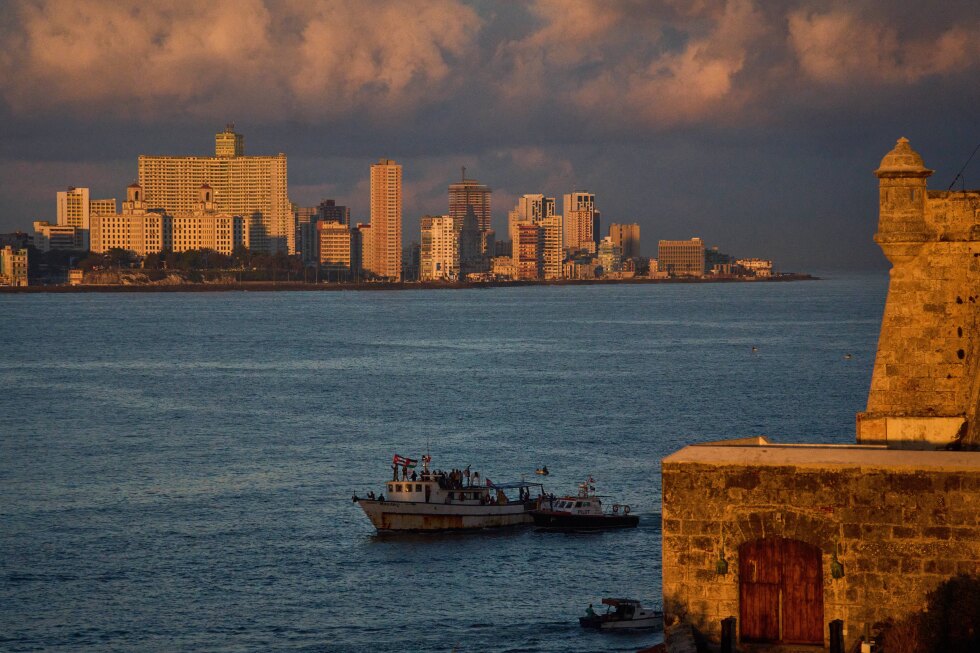
A ship carrying humanitarian aid docked in Havana on Tuesday, bringing solar panels, bicycles, food, and medicine to a nation grappling with mounting economic challenges and an escalating energy crisis.
The vessel, dubbed “Granma 2.0” in tribute to the boat that carried revolutionary leader Fidel Castro to Cuba in 1956, is the first of three ships expected to arrive as part of the “Our America Convoy to Cuba” initiative. The flotilla includes over 650 participants from 33 countries who were welcomed by Cuban President Miguel Díaz-Canel.
“This type of economic warfare shouldn’t exist, this attitude of a pirate state that doesn’t respect international law,” said activist Thiago Ávila upon disembarking in Havana. “These ships are a drop in an ocean of need…at the same time, it’s a gesture of solidarity.”
The ship departed from Puerto Progreso in Mérida, Mexico last week, with two additional vessels still en route. The aid comes at a critical time for the island nation, where residents face severe blackouts, transportation shortages, and reduced working hours.
“The help is important for us, so that it can be seen that the revolution is not alone,” said Antonia Santamaría, a 72-year-old retiree watching the ship’s arrival at the dock.
High-profile supporters accompanying the convoy included British parliamentarian Jeremy Corbyn, Colombian Senator Clara López, Spanish politician Pablo Iglesias, U.S. labor leader Chris Smalls, and Irish hip-hop group Kneecap.
Cuba’s current troubles stem from a combination of factors. An energy embargo imposed by former U.S. President Donald Trump in January, aimed at pressuring political change on the island, has exacerbated five years of economic decline that began with the COVID-19 pandemic and previous U.S. sanctions.
The situation has become increasingly dire. In recent days, the country has experienced two island-wide blackouts, adding to the hardship faced by its 11 million citizens. Cuba’s Deputy Minister of Energy and Mines, Argelio Abad Vigo, revealed last week that the country has gone three months without receiving essential fuel supplies, including diesel, fuel oil, gasoline, jet fuel, and liquefied petroleum gas.
The island produces only about 40% of the fuel it requires, making external supplies crucial for its functioning. A Hong Kong-flagged vessel reportedly carrying 200,000 barrels of diesel from Russia to Cuba unexpectedly diverted to Venezuela instead, according to MarineTraffic data, further complicating Cuba’s energy outlook.
International concerns are mounting that Cuba may be approaching a humanitarian crisis. Leaders from multiple nations and social organizations have expressed alarm about the deteriorating conditions. Countries including Mexico, China, Brazil, and Italy, along with non-governmental groups from the United States, have sent aid to help alleviate the situation.
The Caribbean trade bloc Caricom announced Tuesday it would dispatch additional assistance, including powdered milk, medical supplies, and water tanks, to be transported free of charge by ship from Mexico.
Typically, international aid received by Cuba is distributed without charge by the state through the established network of stores where Cubans purchase food. Exceptions are made when donors specify particular destinations for their contributions, such as medicine earmarked for hospitals.
The arrival of this aid flotilla represents a meaningful yet modest response to Cuba’s mounting challenges. As blackouts continue and basic necessities remain scarce, the international community’s support provides some relief, but the underlying economic and energy issues facing the island nation remain largely unresolved.
As tensions between Cuba and the United States continue, with Trump and U.S. Secretary of State Marco Rubio—whose parents emigrated from Cuba in the 1950s—having publicly discussed “taking” the island, diplomatic talks between the two nations are reportedly ongoing, though details remain undisclosed.
Fact Checker
Verify the accuracy of this article using The Disinformation Commission analysis and real-time sources.

9 Comments
The economic warfare and US sanctions on Cuba have clearly taken a heavy toll on the country. While this aid shipment is a noble gesture, it seems like only a temporary Band-Aid on a much deeper, systemic problem. Meaningful, long-term solutions are desperately needed.
It’s troubling to hear about the severe shortages and blackouts Cubans are enduring. This aid convoy is a commendable effort, but the scope of Cuba’s crises is daunting. I hope this prompts further coordinated relief efforts from the global community.
I’m glad to see these ships arriving with essential supplies for the Cuban people. However, the scale of their challenges is overwhelming. This crisis is a sobering reminder of the real human costs of geopolitical tensions and economic hardship.
Absolutely. Cuba’s suffering underscores the importance of fostering greater international cooperation and humanitarian aid, even in the face of political divisions.
The energy and economic woes in Cuba are truly concerning. I hope this aid shipment can provide some much-needed relief, even if it’s just a drop in the bucket. Every bit helps when a nation is grappling with such significant hardship.
Agreed. The Cuban people deserve our compassion and support during these difficult times. Hopefully this is just the start of greater international assistance.
This humanitarian aid convoy to Cuba is a heartening display of global solidarity in the face of their deepening crises. While the challenges they face are immense, small gestures like these can make a meaningful difference for the Cuban people.
This aid delivery is a heartwarming display of solidarity, but the challenges facing Cuba appear daunting. I hope this prompts further international efforts to address the island’s energy crisis and economic hardship in a more comprehensive way.
The dire conditions in Cuba are a stark illustration of the devastating impacts that can result from economic warfare and sanctions. While this aid convoy is commendable, the Cuban people require sustained, large-scale assistance to overcome their compounding crises.