


Listen to the article
The European Union announced plans Friday to establish a dedicated force of 300 firefighters to combat increasingly severe wildfires across the continent, following what officials described as Europe’s worst year for wildfire damage in 2025.
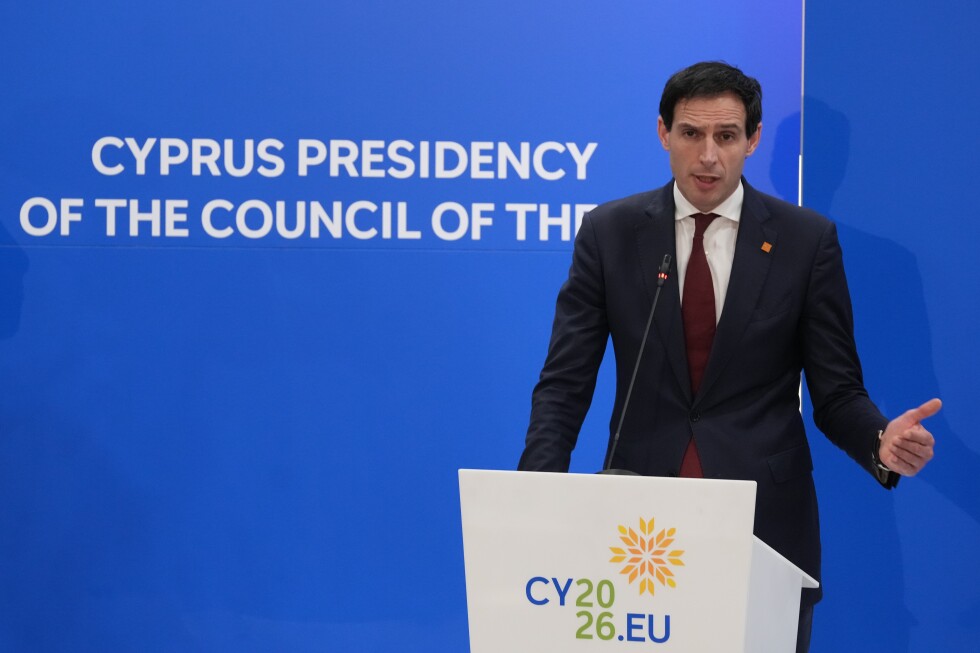
EU Climate Commissioner Wopke Hoekstra unveiled the initiative during a press conference in Nicosia, Cyprus, following a meeting of EU environment and climate ministers. The “rapid reaction force” will draw personnel from across the 27 member states and be deployed quickly to wildfire hotspots as needed.
“It is a clear sign of solidarity and that we want to tackle this together,” Hoekstra said, describing the force as “a huge step forward compared to some five years ago.” The decision to form the unit was made last year, though Hoekstra acknowledged it may require additional personnel and equipment as the program develops.
Details about the unit’s operational base and whether it will be fully activated for the upcoming summer wildfire season remain unclear. The announcement builds on European Commission President Ursula von der Leyen’s September statement that the EU would establish a Cyprus-based regional firefighting hub capable of assisting both European countries and neighboring Middle Eastern nations.
Von der Leyen emphasized the urgent need for enhanced firefighting capabilities in her annual European Parliament address last year, noting that it was necessary to “give ourselves the tools” to combat wildfires worsened by climate change as summers become “hotter, harsher and more dangerous.”
The initiative comes in response to devastating wildfire seasons that have increasingly plagued southern Europe. A study released in August by World Weather Attribution (WWA) confirmed that climate change has significantly exacerbated summer wildfires across the region, with the likelihood of severe outbreaks rising dramatically.
The 2025 fire season proved particularly catastrophic, with hundreds of blazes erupting across the eastern Mediterranean during June and July. These fires were driven by extreme temperatures exceeding 40 degrees Celsius (104 Fahrenheit), prolonged drought conditions, and powerful winds. The human and environmental toll was severe: 20 people lost their lives, 80,000 were forced to evacuate, and more than 1 million hectares (2.47 million acres) of land were scorched.
According to the WWA study, the 2025 wildfires were 22% more intense than would have been possible without human-induced climate change, making it Europe’s worst recorded year for wildfire damage. Researchers found that winter rainfall preceding the fire season had decreased by approximately 14% since pre-industrial times, when fossil fuel use began accelerating globally.
Perhaps most alarming, the study determined that weeklong periods of hot, dry air—conditions that prime vegetation to burn—are now 13 times more likely to occur due to climate change. This dramatic increase in fire-friendly weather patterns underscores the urgent need for enhanced firefighting capabilities across the continent.
The creation of the EU rapid reaction force represents a significant step in the bloc’s evolving strategy to address climate-related disasters. While previously relying largely on national resources with limited cross-border coordination, this new approach signals a more unified response to environmental threats that increasingly transcend national boundaries.
Environmental experts have generally welcomed the initiative but emphasize that firefighting resources must be complemented by comprehensive climate adaptation strategies and renewed efforts to reduce carbon emissions that drive global warming in the first place.
Fact Checker
Verify the accuracy of this article using The Disinformation Commission analysis and real-time sources.

8 Comments
This is an important step, but the EU will need to ensure the firefighting force is sufficiently equipped and trained to handle the scale and complexity of wildfires these days. Adequate funding and coordination between member states will be critical.
Wildfires pose a serious risk to lives, property, and the environment. I’m glad to see the EU taking this threat seriously and establishing a dedicated firefighting force. Coordination and swift deployment will be key.
Establishing a dedicated EU-wide firefighting force is a smart move. Wildfires know no borders, so a unified, rapid reaction capability makes a lot of sense. Curious to see the details on how it will be implemented and deployed.
Agreed. The flexibility to quickly send resources where needed will be key. Curious to learn more about the operational plan and whether it will be ready for the upcoming fire season.
A 300-strong EU firefighting force is a welcome step in combating the increasingly severe wildfires across Europe. Coordinated efforts and shared resources will be crucial as climate change exacerbates this threat.
I’m glad to see the EU taking a proactive approach on this critical issue. Wildfires pose a growing risk and require a robust, collaborative response.
Tackling the growing wildfire threat requires a comprehensive, cross-border strategy. While this firefighting force is a positive development, the EU should also focus on prevention through improved forest management and emissions reduction.
That’s a good point. Addressing the root causes through mitigation and adaptation efforts should go hand-in-hand with building response capabilities.