


Listen to the article
Meta’s AI Bias Adviser Starbuck Sparks Controversy Over Online Rhetoric
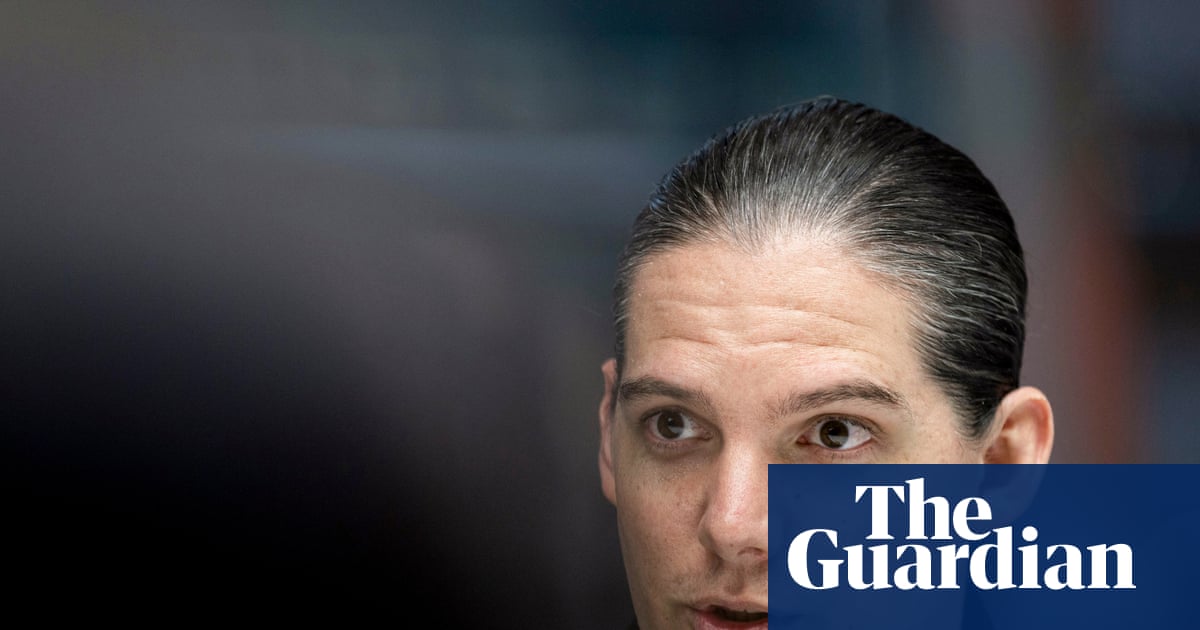
In a controversial move that has raised questions about Meta’s commitment to balanced content moderation, anti-DEI campaigner Robby Starbuck was appointed in August as an adviser on AI bias for the tech giant. Since his appointment, Starbuck’s online behavior has drawn criticism for spreading what many characterize as misinformation on a range of sensitive topics, while highlighting broader concerns about corporate America’s relationship with right-wing politics.
Starbuck, 36, secured his advisory role at Meta—parent company of Facebook, Instagram, and WhatsApp—as part of a lawsuit settlement. The Nashville-based former music video director had threatened legal action after claiming Meta’s AI chatbot made false statements about him, including allegations that he participated in the January 6 Capitol attack and adhered to QAnon conspiracy theories. The settlement details remain largely undisclosed, including whether Starbuck receives compensation for his work. In a joint statement with Meta’s chief of global affairs Joel Kaplan, they announced a collaborative effort to “address issues of ideological and political bias and minimize the risk that the model returns hallucinations in response to user queries.”
Since his appointment, Starbuck has continued his pattern of provocative online activity, often making claims without substantial evidence. He has baselessly connected shooting suspects to “leftist ideology,” characterized faith-based protest groups as “communists,” and made unsubstantiated claims linking Democratic lawmakers to violent crimes. When approached for comment, Starbuck defended his role, stating: “My role is simple: work to make AI fair for everyone, regardless of their views. That’s a goal anyone who believes in fairness should support.” He dismissed criticisms as “cancel culture and activism dressed up as journalism,” asserting he merely holds “the same views as the political party that won the popular vote less than a year ago in America.”
Starbuck’s rhetoric has particularly focused on attributing violence to political motivations, despite contradicting evidence. In recent weeks, he claimed “in less than 2 weeks there have been 5 domestic terrorism attacks by leftists,” citing various shootings including the assassination of Charlie Kirk. However, available evidence contradicts these assertions; for instance, investigators told NBC News that “thus far, there is no evidence connecting the suspect with any leftwing groups” in the Kirk case. Similarly, Starbuck has made inflammatory statements about transgender issues, spread vaccine misinformation, and expressed support for controversial authoritarian policies, such as praising El Salvador President Nayib Bukele’s mass incarceration approach. His posts have baselessly claimed that Portland officials are “working with terrorists,” suggesting violent response to anti-fascist protesters.
Critics argue Starbuck’s appointment reflects a troubling trend of capitulation to right-wing pressure campaigns. Heidi Beirich, co-founder of the Global Project Against Hate and Extremism, called it “appalling that Robby Starbuck was given a hand in Meta operations in any capacity. He peddles lies and pushes extremism, and it is hard to believe any of this will help make their platforms safer or better.” Eric Bloem from the Human Rights Campaign Foundation added: “There’s nothing unbiased about [Starbuck’s appointment],” noting that coupled with Meta’s January rollback of hate speech protections, “this decision calls into question Meta’s commitment to keeping LGBTQ+ people and others safe online.”
The controversy surrounding Starbuck’s role at Meta has raised questions about the intersection of corporate policy and political influence. The lawsuit that led to his appointment was filed by the Dhillon Law Group, which has Trump administration connections—its founder, Harmeet Dhillon, was later confirmed as Donald Trump’s assistant attorney general for civil rights. While a Justice Department spokesperson stated Dhillon “does not currently have any role in cases involving Mr. Starbuck,” the relationship highlights concerns about revolving doors between political interests and major tech platforms. As Beirich concluded: “This is just another example of Meta caving to Trump and his allies, and bogus charges of political bias, and makes a mockery of fair content moderation on Meta’s various platforms.”
Fact Checker
Verify the accuracy of this article using The Disinformation Commission analysis and real-time sources.
