


Listen to the article
In the wake of the shocking antisemitic violence that erupted in Bondi, Australia, observers are pointing to this disturbing incident as a stark reminder of where unchecked hatred can lead. The attack, which sent shockwaves through the nation, has reignited urgent conversations about combating prejudice through education.
The Bondi incident represents a troubling escalation in antisemitic behavior in Australia, a country that has historically prided itself on multicultural tolerance. For many Jewish Australians, the violence echoed traumatic historical patterns that began with rhetoric before escalating to physical harm.
Just weeks after the October 7 Hamas attack on Israel, I accompanied Member of Parliament Josh Burns on a visit to Israel. What we witnessed there was the devastating human toll of antisemitism in its most extreme form. Families torn apart, communities shattered, and a nation grappling with profound trauma. The connection between that violence and what occurred in Bondi cannot be overlooked, despite the vast differences in scale and context.
Australia now finds itself at a critical juncture. The Bondi attack has forced many to confront uncomfortable questions about latent antisemitism within Australian society. Community leaders across political and religious divides have condemned the violence, but condemnation alone is insufficient.
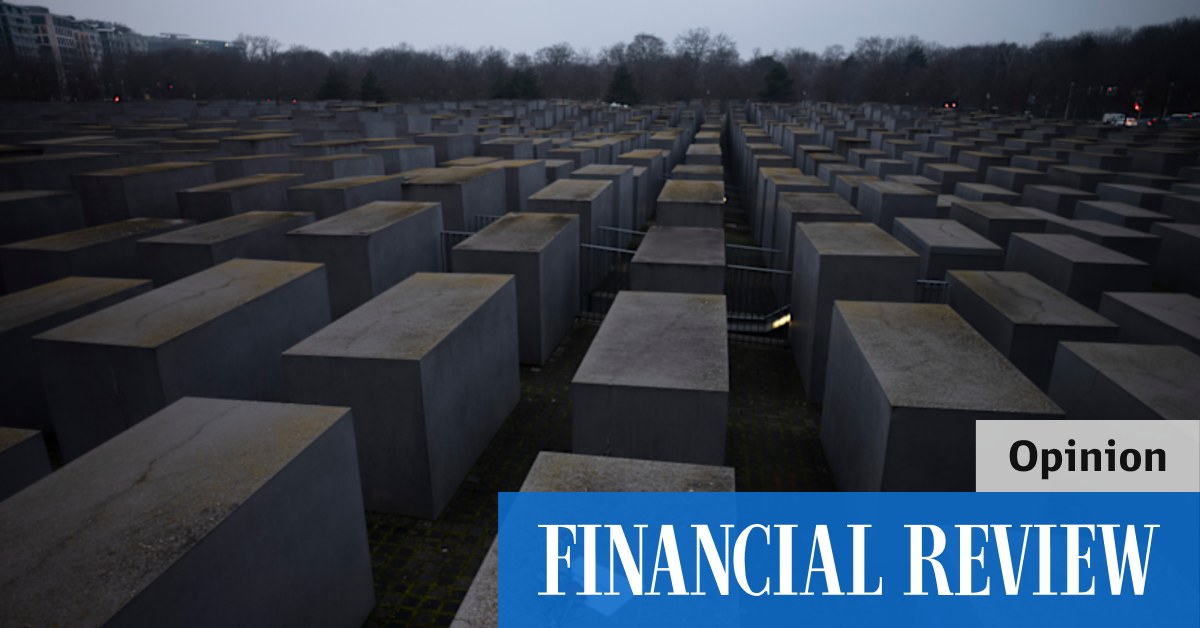
Holocaust education represents one of the most powerful tools available for addressing antisemitism at its roots. By understanding the systematic progression from prejudice to genocide, students gain critical perspective on how dangerous rhetoric can escalate when left unchallenged. This education isn’t simply about historical awareness—it’s about developing the critical thinking skills necessary to recognize and counter prejudice in all forms.
Several Australian states have already made Holocaust education mandatory in their school curricula, recognizing its importance in fostering tolerance and historical understanding. However, implementation remains uneven across the country, with significant gaps in resources and teacher training.
Educational experts emphasize that effective Holocaust education goes beyond recounting historical events. It must connect past atrocities to contemporary manifestations of antisemitism and other forms of discrimination. This approach helps students understand that prejudice is not a historical artifact but an ongoing challenge requiring vigilance.
Jewish community organizations have long advocated for stronger educational initiatives. The Executive Council of Australian Jewry has developed resources for schools and community groups, offering evidence-based approaches to teaching about the Holocaust and addressing contemporary antisemitism.
The impact of the Bondi attack extends beyond the Jewish community. It represents an assault on Australia’s multicultural identity and shared values of tolerance and respect. Leaders across various communities have recognized this, with interfaith initiatives gaining new momentum in response to the violence.
Government officials have pledged increased security for Jewish institutions and stronger enforcement against hate crimes. While these measures address immediate safety concerns, the underlying challenge remains: how to confront the ideological foundations of antisemitism.
As the initial shock of the Bondi attack subsides, attention must turn to long-term solutions. Educational reforms, community dialogues, and cross-cultural initiatives all have roles to play. Media literacy programs can help young Australians navigate an information landscape where antisemitic conspiracy theories and propaganda spread rapidly online.
The path forward requires acknowledging that antisemitism is not merely a problem for the Jewish community but a threat to social cohesion that concerns all Australians. By framing it as a shared challenge, educators and community leaders can build broader coalitions to address it.
“Ideology got us here. Education will lead us out.” This simple but profound statement encapsulates the challenge facing Australia today. While security measures and legal responses are necessary, they cannot address the roots of prejudice. Only through education—rigorous, empathetic, and honest—can societies build resilience against hatred in all its forms.
As Australia grapples with the aftermath of Bondi, the renewed call for Holocaust education represents not just a response to antisemitism but an affirmation of the country’s commitment to building a society where such violence becomes unthinkable.
Fact Checker
Verify the accuracy of this article using The Disinformation Commission analysis and real-time sources.

8 Comments
This is a very concerning incident that highlights the urgent need to address the rise of antisemitism and online disinformation. Banning AI-generated ‘slopoganda’ is an important first step, but broader education and community efforts will be critical to combat prejudice and prevent future violence.
The connection between the Bondi attack and the violence in Israel is a sobering reminder of how unchecked hatred can escalate. Addressing the root causes of antisemitism, through open dialogue and a renewed commitment to tolerance, will be essential going forward.
I agree, the rise of online hate speech and misinformation is deeply troubling. Platforms must take stronger action to remove this content and prevent further radicalization.
While banning AI-generated antisemitic content is a necessary step, we must also address the broader societal factors that allow intolerance to thrive. Investing in education, fostering interfaith dialogue, and promoting inclusive policies will be critical to truly prevent future attacks.
The Bondi attack is a devastating reminder of the real-world harms that can result from online hatred and disinformation. I hope this incident serves as a wake-up call for social media platforms and policymakers to take stronger action against these threats to public safety.
Absolutely. The connection to the violence in Israel underscores how these issues transcend borders and require a coordinated, global response. Platforms must be held accountable for enabling the spread of such dangerous content.
This is a complex issue with no easy solutions. Banning AI-generated content is a start, but the underlying drivers of antisemitism and intolerance need to be addressed through education, interfaith dialogue, and a renewed commitment to inclusive, pluralistic societies.
This is a deeply troubling incident that highlights the urgent need for action. Banning AI-generated ‘slopoganda’ is a start, but the underlying drivers of antisemitism and extremism must be addressed through a comprehensive, multi-stakeholder approach. The stakes are too high to ignore this threat.