


Listen to the article
In a shadowy corner of the internet, a coordinated influence operation is attempting to manipulate Moldova’s democratic process ahead of crucial elections, a BBC investigation has revealed. Working from inside a clandestine Telegram network, an undercover reporter uncovered a sophisticated propaganda machine with apparent links to Russian interests.
Moldova, though small in size, occupies a strategically vital position between Ukraine and EU-member Romania, making it a geopolitical flashpoint. The country’s democratic trajectory has significant implications for both European integration efforts and Russia’s sphere of influence in Eastern Europe.
The BBC gained access to the propaganda network through a whistleblower who provided a direct link into the operation. This rare glimpse revealed how anti-democratic forces are working to undermine Moldova’s sovereignty and shape public opinion through targeted disinformation campaigns on social media platforms.
The investigation found that recruits, including the BBC’s undercover reporter identified as “Ana,” were required to attend secret online seminars designed to “prepare operatives” for their roles. These sessions, with provocative titles such as “How to go from your kitchen to national leader,” appeared to serve dual purposes: training participants while simultaneously vetting them for loyalty and competence. Recruits faced regular testing on the material presented.
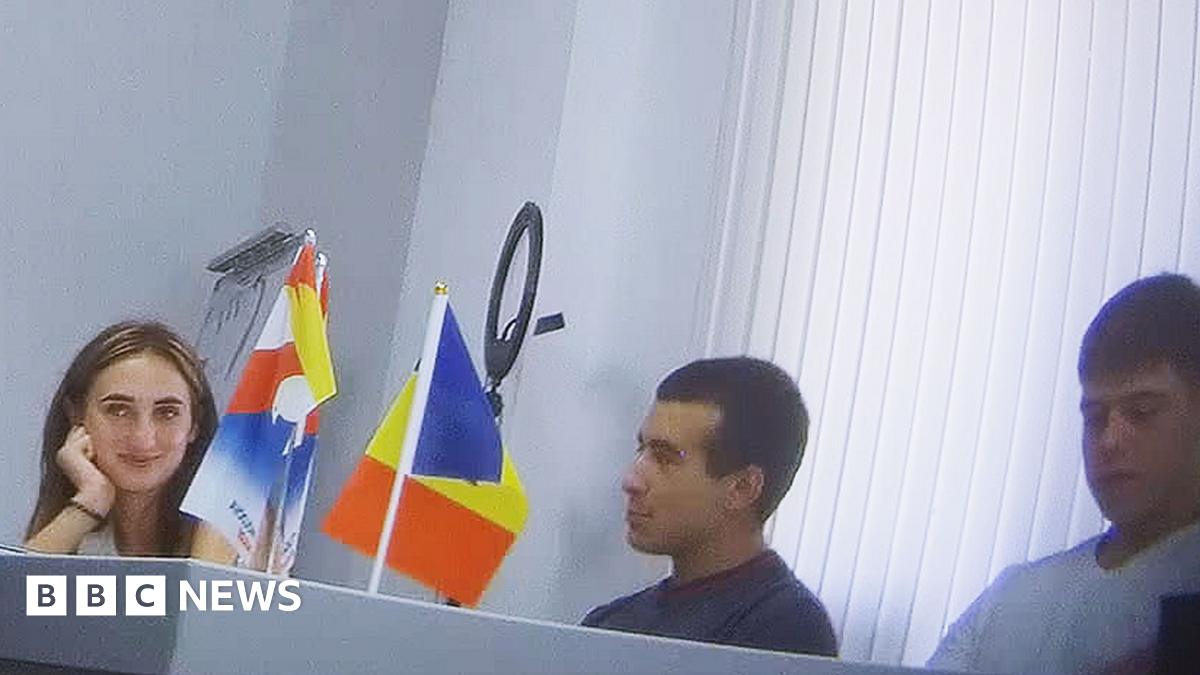
Following the initial training phase, Ana was contacted by a network coordinator identified as Alina Juc. According to her social media profiles, Juc hails from Transnistria, a Moscow-aligned separatist region in eastern Moldova that has maintained de facto independence since the collapse of the Soviet Union. Her Instagram account documents multiple trips to Russia in recent years, suggesting ongoing connections to the country.
The financial trail provides further evidence of Russian involvement. Juc informed Ana she would receive 3,000 Moldovan lei (approximately $170 or £125) monthly for creating TikTok and Facebook content leading up to the election. These payments would reportedly come from Promsvyazbank (PSB), a sanctioned Russian state-owned financial institution that serves as the official bank for Russia’s defense ministry. Notably, PSB also holds shares in a company linked to Ilan Shor, a Moldovan oligarch who fled the country after being convicted of fraud.
The network employed sophisticated content creation techniques, instructing recruits to use artificial intelligence tools like ChatGPT while maintaining a deceptively “organic” appearance. “Content attracts people if the picture contains some satire… over reality,” instructors told participants, while warning against overuse of AI-generated material that might appear inauthentic.
The propaganda campaign revealed a calculated escalation strategy. Initially, recruits were tasked with creating seemingly innocuous patriotic posts about historical Moldovan figures. Over time, however, the assignments evolved into overtly political content designed to undermine trust in Moldova’s institutions.
Ana’s instructions eventually included disseminating unfounded allegations designed to sow discord and mistrust. These included false claims that Moldova’s current government plans to falsify election results, that EU membership would require citizens to change their “sexual orientation,” and that President Maia Sandu is involved in child trafficking.
This operation represents a troubling example of how foreign interests can leverage digital platforms and paid operatives to influence democratic processes in strategically important nations. For Moldova, a country at a crossroads between European integration and Russian influence, such campaigns pose a significant threat to its democratic institutions and sovereign decision-making.
As Moldova approaches its critical electoral cycle, these revelations highlight the ongoing challenges facing emerging democracies in Eastern Europe, where information warfare has become an increasingly prominent tool in geopolitical contestation.
Fact Checker
Verify the accuracy of this article using The Disinformation Commission analysis and real-time sources.

14 Comments
The revelation of this Russian-backed disinformation network is a stark reminder of the vulnerabilities in our democratic systems. Vigilance and a unified response are needed to counter these threats.
This is a troubling example of how external actors can try to manipulate the democratic process. Safeguarding elections from foreign interference should be a top priority for European countries.
Agreed. Transparency, fact-checking, and public awareness campaigns are crucial to ensuring that citizens can make informed choices at the ballot box.
The revelation of this Russian-backed disinformation network is a concerning development. Efforts to undermine the will of the Moldovan people are unacceptable and must be condemned.
This investigation highlights the need for robust safeguards against foreign interference in elections. Protecting democratic values should be a priority for all stakeholders, from policymakers to social media platforms.
I agree. Strengthening cybersecurity, improving media literacy, and enhancing cooperation between countries and tech companies will be key to combating these threats to democracy.
It’s worrying to see these kinds of clandestine operations targeting European elections. Transparency and accountability are crucial to maintaining the integrity of the democratic process.
This is certainly troubling news. Disinformation campaigns targeting elections undermine democratic processes. It’s crucial to maintain transparency and safeguard the integrity of the electoral system in Moldova and across Europe.
I agree, the revelation of this coordinated propaganda network is concerning. Efforts to manipulate public opinion through social media require vigilance from both authorities and the public.
The BBC’s investigation has shed light on a worrying trend of sophisticated disinformation campaigns targeting European elections. Maintaining the integrity of democratic institutions is essential for the region’s stability.
This news highlights the need for robust measures to protect the democratic process from foreign influence operations. Strengthening cybersecurity and media literacy will be key to combating these threats.
Absolutely. Coordinated efforts between governments, tech companies, and civil society will be crucial to safeguarding the integrity of elections across Europe.
The strategic location of Moldova makes it a geopolitical hotspot, so it’s not surprising that external actors would try to influence its elections. However, any attempts to subvert the democratic process should be condemned.
Absolutely. Moldova’s sovereignty and the will of its citizens must be respected. Disinformation campaigns erode trust in democratic institutions, which is detrimental to the entire region.