


Listen to the article
Japan’s NHK Pioneers 24/7 Social Media Monitoring to Combat Misinformation
In response to the growing challenge of online misinformation, Japan’s public broadcaster NHK has developed an innovative approach to monitoring social media content. The broadcaster’s Social Listening Team (SoLT) operates around the clock, scrutinizing platforms like X and Facebook to identify and debunk false information circulating among Japanese audiences.
The team, established in 2013, has become increasingly vital in Japan’s media landscape as social networks have transformed how news spreads during critical events. Working from NHK’s headquarters in Tokyo’s Shibuya district, the team includes professional journalists and journalism students who monitor social media in three shifts, covering content in both Japanese and foreign languages.
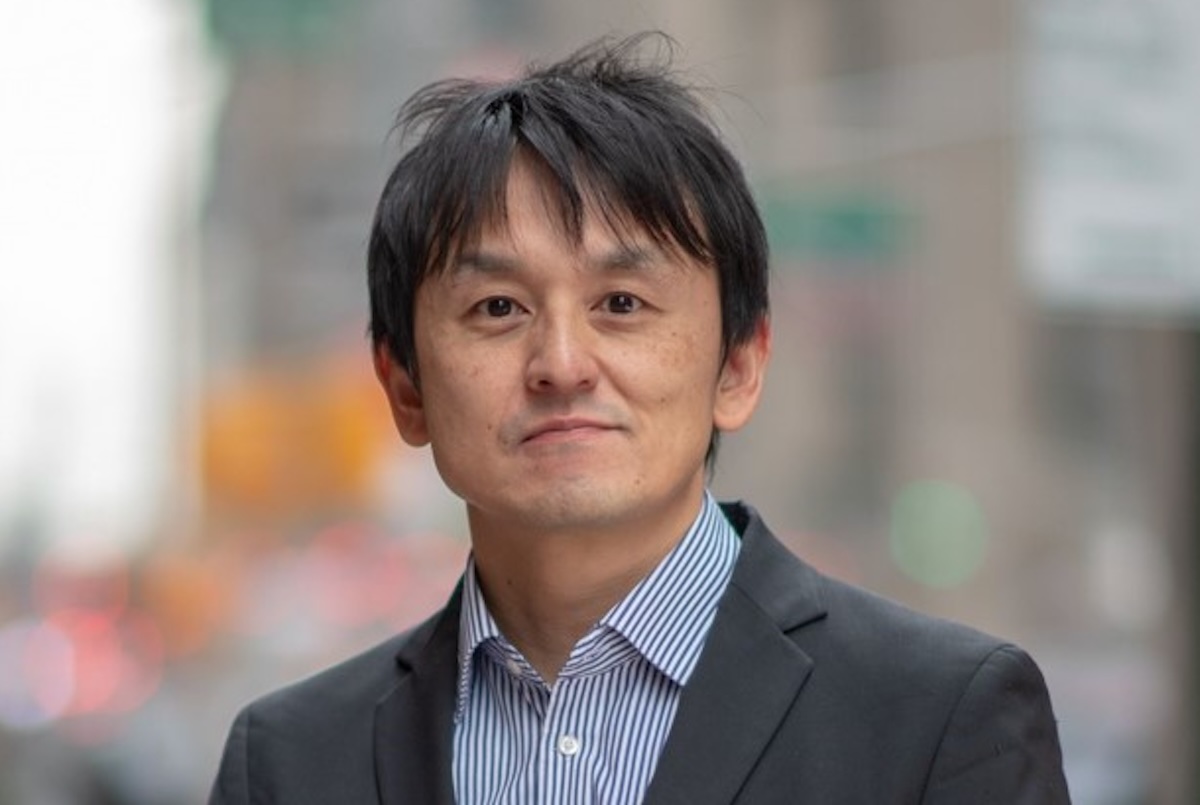
“The starting point was the great earthquake and Fukushima nuclear power plant accident in 2011,” explains Junya Yabuuchi, a veteran NHK journalist who works closely with the team. “At the time, Twitter and other platforms were becoming popular in Japan. We quickly gathered around a dozen people, including reporters and students working part-time in the news desk.”
The initiative wasn’t experimental but born of urgent necessity. After the 2011 disaster, NHK lacked the expertise to verify information spreading on Twitter, while misinformation about the earthquake damage and nuclear accident proliferated rapidly online.
The team’s importance was highlighted following the January 2024 Noto earthquake, when conspiracy theories claiming the disaster was human-made spread virally. “We saw 250,000 posts on the artificial earthquake hypothesis by the end of the second day,” said Kaori Iida, then-Director of NHK’s Digital News Division.
Every week, the team produces at least two to three pieces debunking misinformation and creating explainers on how to identify misleading content. This regular output has established NHK as a trusted source for fact-checking in a region increasingly vulnerable to both natural disasters and the information disorder that follows them.
While the team monitors multiple platforms including Facebook, Instagram, TikTok, Bluesky and Threads, they maintain a special focus on X (formerly Twitter) due to its prominence in Japan and the speed with which information spreads on the platform. Yabuuchi notes that misinformation on X has accelerated since Elon Musk’s acquisition of the platform, creating additional challenges.
The involvement of university students has been crucial to the operation’s success. Initially recruited out of necessity to provide sufficient coverage for 24/7 monitoring, students have proven valuable for their digital fluency and fresh perspectives on search terms and trends. They receive compensation for their work, bringing both academic insights and youthful energy to the monitoring process.
The team’s interventions have produced tangible results across various domains. During the recent U.S. presidential election, they identified a viral fake electoral map showing Donald Trump with an implausible lead over Kamala Harris. Investigation revealed it was simply a screenshot from a website allowing users to freely alter the colors on a U.S. map.
In another case, the team addressed harmful COVID-19 vaccine misinformation claiming that “the virus would spread from someone that had the vaccine injection.” This false claim had real-world consequences, with some businesses refusing service to vaccinated individuals. NHK’s fact-checkers investigated and aired a report with accurate information.
As climate disasters intensify in Japan, the team has also tackled weather-related misinformation. During an August typhoon, people shared images purportedly showing a river near Tokyo overflowing, but the team identified these as photos from past disasters or international floods being misrepresented as current events.
Looking ahead, NHK faces challenges in maintaining impartiality while addressing political misinformation, particularly during election cycles. With Japan’s House of Representatives election approaching this summer, the broadcaster is weighing how to combat unsubstantiated claims without appearing partisan.
For other news organizations considering similar initiatives, Yabuuchi offers practical advice: “You need people with news judgment who can post on the kind of information that’s flying around in social media, but also IT-savvy people who closely observe what is happening.” While operating 24/7 requires significant resources, he emphasizes that organizations can start with just a few dedicated staff members.
As misinformation continues to challenge public understanding of critical issues worldwide, NHK’s decade-long commitment to social media monitoring offers a model for how traditional broadcasters can adapt to the digital information environment while upholding journalistic standards of accuracy and verification.
Fact Checker
Verify the accuracy of this article using The Disinformation Commission analysis and real-time sources.

7 Comments
I’m curious to know more about the specific techniques and tools NHK’s Social Listening Team uses to identify and debunk false information. It would be insightful to understand their workflow and process.
The growing influence of social media on news consumption patterns makes NHK’s work all the more vital. Their efforts to maintain journalistic integrity in the digital age are commendable.
Fascinating to see how NHK has adapted to the social media age. Combating misinformation is crucial, especially during major events. Their 24/7 monitoring approach sounds like an effective strategy.
The 2011 Fukushima disaster was a critical turning point that highlighted the need for proactive social media monitoring. NHK was smart to get ahead of this challenge early on.
It’s great to see a major broadcaster like NHK taking the fight against misinformation so seriously. Their Social Listening Team model could serve as a template for other media outlets globally.
Monitoring social media platforms in multiple languages must be a massive undertaking for NHK. Kudos to them for investing the resources to stay on top of emerging narratives and correct the record swiftly.
As social media becomes an increasingly dominant news source, the importance of having dedicated teams like NHK’s to combat misinformation will only grow. This is an important model to watch.