


Listen to the article
Iran’s Revolutionary Guard Deploys Fake Social Media Network to Spread War Propaganda
A sophisticated network of fake social media accounts linked to Iran’s Islamic Revolutionary Guard Corps has been actively spreading pro-Tehran propaganda across multiple platforms amid ongoing tensions with the U.S. and Israel, according to new research.
The operation, uncovered by Clemson University’s Media Forensics Hub, identified 62 accounts across X, Instagram and Bluesky that were masquerading as Scottish independence supporters, Irish nationalists and Latina women. These accounts posted content tailored to local audiences before abruptly pivoting to focus on the war in Iran in late February.
“These accounts are trolls, in the 2016 Russian sense of the word, trying to appear to be real people, in order to integrate into very specific communities and influence those communities online,” said Darren Linvill, co-leader of the Media Forensics Hub at Clemson University.
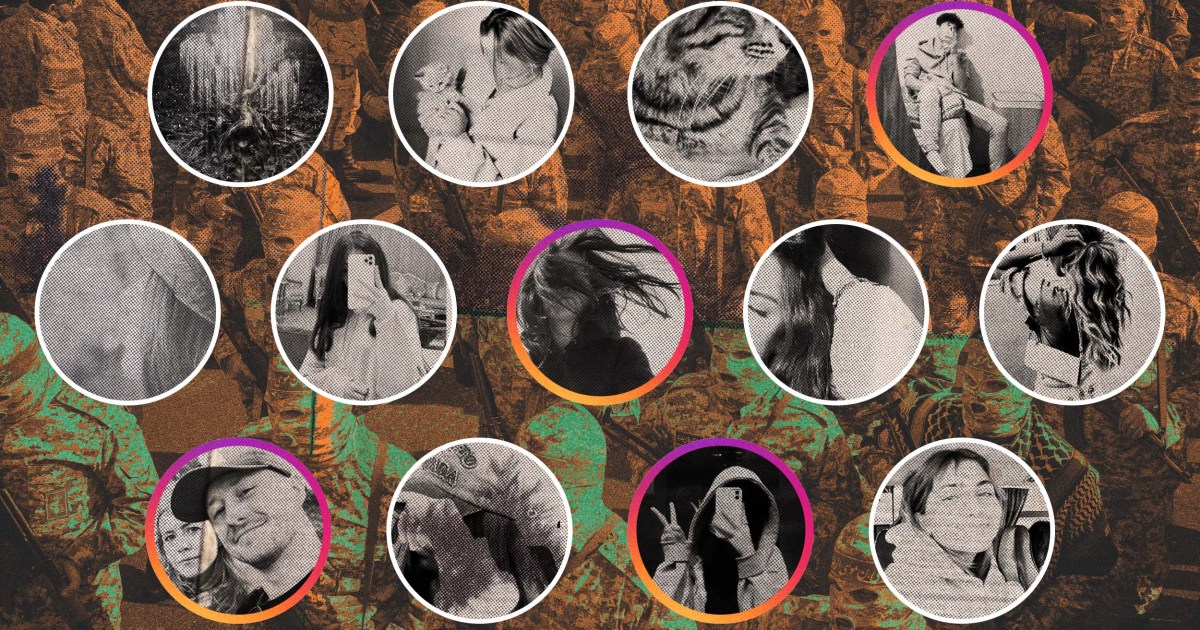
The researchers found the accounts operated behind stolen or AI-generated profile pictures, with none of the users actually being who they claimed to be. Before shifting focus to the war, the accounts strategically built credibility by engaging with politically divisive topics relevant to their fabricated identities.
The British-themed accounts posted anti-Labour Party, anti-union, and anti-royal content. Scottish accounts advocated for independence, while Irish profiles pushed reunification messages. The Latina-focused accounts criticized U.S. Immigration and Customs Enforcement (ICE) and expressed support for ousted Venezuelan President Nicolás Maduro.
One such account, using the name “Ana Rodri,” claimed to be a California woman and described herself as a “daughter of migrants, dreamer and resilient” who fought “against discrimination and imperialism.” The account, which has since been suspended, initially posted images of ICE protests with messages like “Resistance is our only option when Justice fails.” After U.S. and Israeli joint airstrikes in Iran on February 28, the account’s content shifted dramatically to anti-war messaging.
The researchers noted that the majority of Iran’s manufactured personas were presented as women. “In the trolling business, there’s a long history of stealing women’s identities and purporting to be women in order to get more engagement,” Linvill explained. “They tend to make much more authentic voices, and disinformation operations rely on that.”
After the pivot to war-related content, the accounts began posting heavily about civilian casualties, particularly children killed in airstrikes. They criticized President Donald Trump and Israeli Prime Minister Benjamin Netanyahu while promoting footage purportedly showing Iranian missile strikes on U.S. and Israeli targets. Several accounts portrayed former Supreme Leader Ali Khamenei, who was killed in an Israeli missile strike, as a martyr.
The campaign also included deliberately misleading content. Some accounts shared AI-generated images of alleged damage to U.S. military bases in the Middle East. Others repurposed older footage, such as a Saudi Arabian car accident video that was falsely presented as a drone strike on a U.S. Embassy.
On Instagram, an account operating under the name “Freya Maguire” with the bio “Life on my own terms!” posted an AI-fabricated video showing Trump and Netanyahu arguing over the ascension of Iran’s new supreme leader, Mojtaba Khamenei.
The researchers found that as of March 9, most of the accounts on X claiming American ties had been suspended, while those purporting to be from Scotland, Ireland, and England remained largely active. Bluesky confirmed to reporters that the accounts identified on their platform had been removed, while X and Instagram representatives did not immediately respond to requests for comment.
The Iranian operation demonstrates a sophisticated understanding of how to infiltrate specific communities by first building credibility through targeted engagement with local issues before pivoting to spread state-sponsored propaganda. This approach allows the accounts to reach audiences who might otherwise be skeptical of direct messaging from Iranian sources.
The campaign comes amid heightened tensions following the exchange of military strikes between Iran and the U.S.-Israeli coalition, showing how social media continues to be a critical battleground in modern geopolitical conflicts. By operating across multiple platforms with carefully crafted personas, Iran’s Revolutionary Guard has attempted to shape international opinion and amplify anti-American and anti-Israeli sentiment at a critical moment in the ongoing regional conflict.
Fact Checker
Verify the accuracy of this article using The Disinformation Commission analysis and real-time sources.

12 Comments
It’s disappointing but not surprising to see Iran’s Revolutionary Guard engaging in these kinds of deceptive tactics. This is a reminder of the ongoing geopolitical tensions and the lengths some actors will go to sway public opinion.
Absolutely. We have to be vigilant and critically examine the information we consume, especially on social media, to avoid falling victim to these types of influence campaigns.
This report underscores the need for stronger regulations and enforcement around social media platforms to prevent them from being exploited for state-sponsored propaganda. Oversight and transparency are essential.
I agree. Platforms need to be held accountable for the misuse of their services, and governments need to take a more proactive role in addressing these challenges.
I’m curious to learn more about the specific tactics used by this network, like the use of stolen or AI-generated profile pictures. Understanding the technical details can help improve detection and response.
That’s a great point. The more we know about the methods employed, the better equipped we’ll be to counter these types of influence operations in the future.
While I’m not surprised to see Iran leveraging social media for propaganda, the scale and coordination of this network is troubling. It’s a good thing researchers were able to uncover and expose it.
Absolutely. Shining a light on these operations is crucial to limiting their impact and combating the spread of disinformation.
This is a concerning report about Iran’s use of a sophisticated propaganda network to spread disinformation online. It’s a good reminder of the importance of verifying the sources and authenticity of information, especially on social media.
Agreed. The tactic of posing as local supporters to build credibility is particularly insidious. We need to stay vigilant against these types of coordinated influence campaigns.
While I’m not an expert on Iran’s Revolutionary Guard, this report raises concerns about their willingness to use sophisticated propaganda techniques to spread disinformation. It’s a troubling development that warrants further investigation.
Agreed. Understanding the full scope and impact of this network will be important for policymakers and social media platforms to develop effective countermeasures.