


Listen to the article
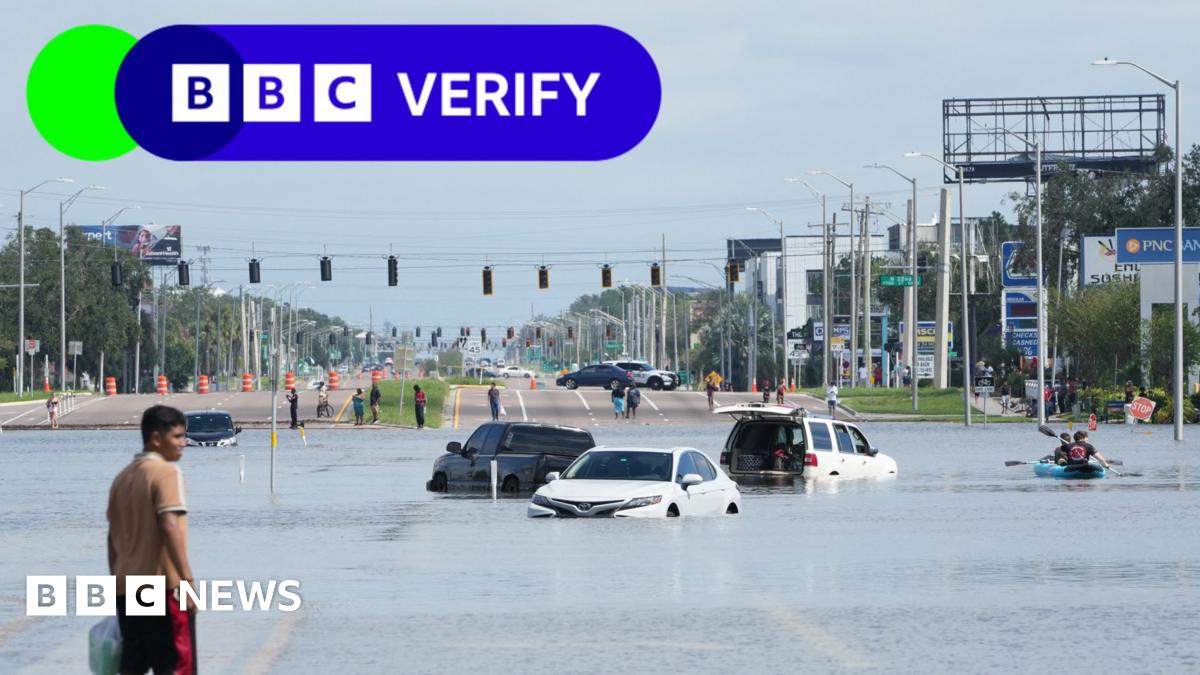
Hurricane misinformation has flooded social media platforms during recent storms, with a concerning concentration of viral falsehoods coming from accounts that have purchased verification badges on X, formerly Twitter.
The spread of misleading content about Hurricane Milton follows a pattern observed during previous disasters, but with significantly wider reach and more political undertones as the U.S. presidential election approaches. According to research by the Institute of Strategic Dialogue, fewer than three dozen false or abusive posts related to the hurricane garnered a staggering 160 million views on X alone.
Most accounts responsible for spreading hurricane misinformation have established histories of promoting conspiracy theories. Many have previously claimed that various major events—from elections and political violence to the COVID-19 pandemic and armed conflicts—were staged or manipulated in some way.
The problem appears to have been exacerbated by policy changes at X under Elon Musk’s ownership. While verification badges once indicated an account had been vetted and confirmed authentic, users can now simply purchase these blue checkmarks. This change has had two significant consequences: the platform’s algorithm gives greater prominence to these paid verified accounts, and users can monetize their content regardless of its accuracy.
“X’s revenue sharing policy means that blue-tick users can earn a share of revenue from the ads in their replies,” noted one social media analyst tracking the phenomenon. On October 9, X announced increased payouts, with verified users now being paid based on engagement from other Premium subscribers rather than just advertisements.
This financial incentive structure has created a situation where viral content—true or not—can be directly profitable. In conversations with dozens of accounts that shared false hurricane information, several acknowledged they benefitted financially from engagement and deliberately shared content they knew would attract attention.
While most major social media platforms allow content creators to monetize their posts, companies like YouTube, TikTok, Instagram, and Facebook maintain guidelines that permit them to demonetize or suspend accounts spreading misinformation. These platforms also typically label misleading posts. X, however, has significantly reduced its approach to misinformation management.
Under its current policies, X has rules against AI-generated fake content and maintains a “Community Notes” feature that allows users to add context to posts. However, the platform removed a previous feature that enabled users to report misleading information directly. X did not respond to requests for comment about these policy changes or their impact during the hurricane emergencies.
The problem extends beyond X’s ecosystem. Misleading narratives that gain traction on X frequently migrate to comment sections across other platforms, demonstrating how false information can permeate the entire social media landscape.
One content creator who regularly shares unproven theories across multiple platforms noted a concerning shift in audience reception: “Four years ago, my comments were filled with people calling me names, denying it. And now, I was surprised to see that nearly every comment is in agreement,” referring to conspiracy theories about weather manipulation and recent hurricanes.
The real-world consequences of this misinformation spread are significant. False claims can undermine public trust in authorities during critical rescue and recovery operations following disasters like Hurricane Milton. Emergency management officials have expressed concern that widespread misinformation complicates evacuation efforts and resource allocation during crisis response.
The convergence of natural disaster misinformation with heightened political tensions ahead of the presidential election has created a particularly volatile information environment. Conspiracy theories about weather control, government response, and aid distribution have become intertwined with partisan narratives, further complicating disaster response efforts in affected communities.
Fact Checker
Verify the accuracy of this article using The Disinformation Commission analysis and real-time sources.

12 Comments
Concerning that hurricane misinformation is spreading so rapidly, especially with the presidential election looming. Fact-checking and combating disinformation should be top priorities.
Absolutely. Verified accounts peddling falsehoods need to be held responsible. Social media platforms must do more to curb the spread of such harmful content.
Interesting how social media amplifies misinformation during natural disasters. Accountability for verified accounts spreading conspiracy theories is crucial.
As a mining/commodities enthusiast, I’m concerned about how this misinformation could impact related industries and markets. Clear, fact-based reporting is essential during times of uncertainty.
Conspiracy theories around natural disasters are nothing new, but the scale of misinformation related to Hurricane Milton is alarming. Fact-checking and responsible reporting are crucial.
It’s alarming how quickly hurricane-related conspiracy theories can spread on social media. Responsible reporting and active moderation are needed to combat this growing problem.
The ability to purchase verification badges is troubling and undermines their credibility. This change has clearly enabled the proliferation of misinformation. Social media oversight is clearly lacking.
Conspiracy theories thrive during crises, and the current situation with Hurricane Milton is no exception. Worrying to see this politicization of a natural disaster. Fact-based reporting is critical.
The ability to purchase verification badges is a concerning development that undermines trust in social media platforms. Stricter policies are clearly needed to prevent abuse and the spread of misinformation.
Agreed. Verification should be a meaningful indicator of authenticity, not just a badge that can be bought. Social media platforms need to rethink their approach.
Hurricanes are already stressful enough without the added complication of rampant misinformation. Social media platforms need to do more to limit the spread of false claims, especially from verified accounts.
The politicization of hurricane coverage is deeply troubling. Spreading false claims about a natural disaster for political gain is unacceptable. Stronger platform policies are urgently needed.