


Listen to the article
Indonesia’s Communications Ministry to Meet with Social Media Giants Over Protest Content
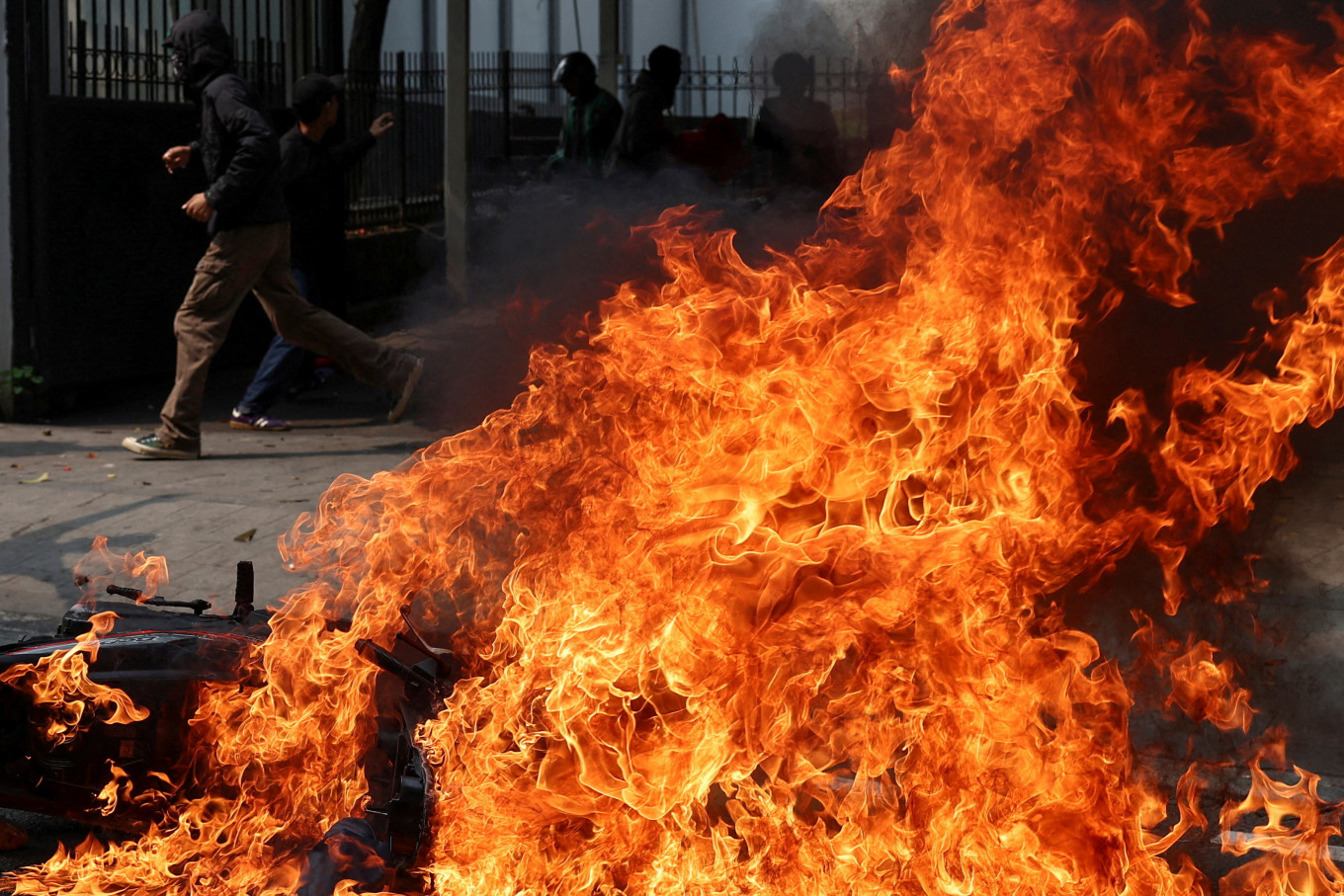
The Communications and Digital Ministry of Indonesia plans to convene with representatives from major social media platforms to address the handling of “provocative” content, following Monday’s heated demonstrations at the Senayan legislative complex in Central Jakarta. The protests centered on government corruption and lawmakers’ excessive salaries.
Deputy Communications Minister Angga Raka Prabowo confirmed that the ministry has extended invitations to several tech companies, including Chinese-owned TikTok and Meta, the American parent company of Facebook and Instagram. The talks will focus on establishing “a safe digital environment” amid growing concerns about digital misinformation.
“The platforms must have an automated system capable of detecting whether an account is operated by a real person or not. Once identified as inauthentic, the system should be able to take it down immediately,” Prabowo stated on Tuesday, according to Kompas.com.
The deputy minister highlighted specific concerns about “buzzers” – a local term for social media influencers who may be paid or unpaid – who allegedly spread provocative content. The government is also troubled by the proliferation of AI-generated content containing misleading information that could further inflame social tensions.
This meeting comes at a sensitive time in Indonesian politics. Monday’s demonstration saw citizens voicing frustration over perceived government corruption and what many consider to be unjustifiably high salaries for lawmakers. The protests drew significant attention both on the streets and across social media platforms, where hashtags related to the demonstrations trended nationwide.
Social media has played an increasingly pivotal role in Indonesian political discourse. With over 170 million social media users in the country – approximately 60 percent of its population – platforms like TikTok, Facebook, and Instagram have become critical spaces for political expression and mobilization.
The Indonesian government has previously taken strong regulatory stances toward social media platforms. In 2022, the government temporarily blocked access to PayPal, Yahoo, and several gaming platforms for failing to comply with licensing requirements under the country’s electronic systems law. TikTok has faced particular scrutiny, with authorities previously threatening to ban the platform over concerns about content moderation and data security.
Digital rights advocates are watching this development closely. While the government claims it aims to combat misinformation without restricting legitimate expression, some worry about potential overreach. Indonesia has a complex history with internet regulation, having previously used digital content laws to target government critics.
“We hope that the upcoming meeting will encourage social media platforms to take a more proactive role in removing fake content,” Prabowo said, while emphasizing that the government remains committed to protecting freedom of expression.
The social media companies involved have not yet issued public statements regarding the upcoming meeting. However, both TikTok and Meta have previously pledged to improve content moderation in the country and cooperate with local regulations.
The meeting represents the latest chapter in the ongoing negotiation between technology platforms, governments, and civil society over the boundaries of acceptable online speech – a conversation that continues to evolve as social media’s role in political movements grows increasingly significant across Southeast Asia and beyond.
Fact Checker
Verify the accuracy of this article using The Disinformation Commission analysis and real-time sources.

8 Comments
Curious to see how the government’s talks with social media giants unfold. Finding the right balance between content moderation and free speech will be tricky, but addressing disinformation is important.
Interesting to see the government take action on alleged disinformation around these protests. Careful monitoring of social media content and cooperation with platforms could help address concerns, but free speech must also be protected.
Agree, a balanced approach is needed to tackle misinformation without infringing on legitimate expression. Transparency and clear guidelines from the government will be key.
Establishing a ‘safe digital environment’ is a worthy goal, but the government must be cautious about overreach. Freedom of expression online should not be compromised in the name of security.
The spread of digital misinformation is a real challenge, especially around sensitive political issues like these protests. Requiring platforms to have robust systems to detect and remove inauthentic accounts seems like a reasonable step.
Yes, automated detection of ‘buzzers’ or fake accounts could help, but the rules and process need to be fair and well-defined to avoid overreach.
Social media’s role in protests is a complex issue. While platforms must act responsibly, heavy-handed content restrictions could backfire. Transparent collaboration between government and tech firms is needed.
Agreed. Maintaining an open digital space while tackling verifiable misinformation is the challenge. Stakeholder input and clear policies will be crucial.