


Listen to the article
Climate Literacy Initiative Empowers Journalists and Citizens to Combat Misinformation
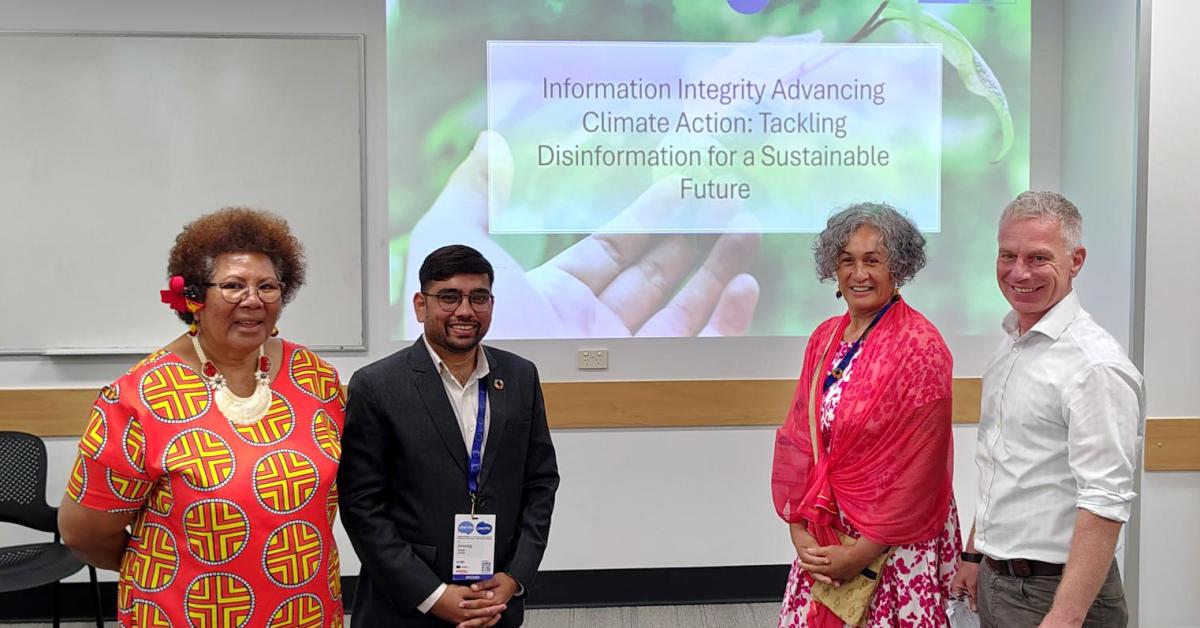
A high-profile roundtable event recently brought together leading academics, environmental journalists, and digital content creators to tackle one of the most pressing challenges in climate advocacy: the spread of misinformation. The discussion centered on how media and information literacy (MIL) can serve as a powerful tool to counter climate disinformation and foster more effective public engagement.
Participants examined two critical dimensions of the climate communication landscape. First, they analyzed how climate disinformation distorts public perception and potentially undermines meaningful climate action. Second, they explored the crucial role that environmental journalists and digital content creators play in filtering out misinformation while enhancing public understanding of complex environmental issues.
Stefan Armbruster, Head of News (Pacific) at RFA/BenarNews, delivered one of the event’s most resonant messages: “Science alone is not creating more action. Journalists and influencers should combine fact-based information with compelling stories that highlight solutions and local impacts, motivating positive action rather than fear or apathy.”
This insight reflects a growing recognition within the environmental communication field that pure data and scientific findings, while essential, often fail to mobilize public engagement. Instead, experts increasingly advocate for narrative approaches that contextualize climate information within human stories and local contexts.
The roundtable discussion was followed by a hands-on workshop attended by 45 participants from diverse age groups. This practical session armed attendees with concrete skills to identify false narratives and critically evaluate information related to climate change. Many participants expressed enthusiasm for the tools provided but noted the need for a more comprehensive, public-facing course to build broader societal resilience against climate misinformation.
The timing of this initiative is particularly significant as climate disinformation has evolved in both sophistication and reach. Recent studies have documented how social media platforms have become fertile ground for climate denial narratives and misleading information about renewable energy solutions. This disinformation ecosystem has contributed to policy delays and public confusion about the severity and urgency of climate challenges.
UNESCO has been at the forefront of addressing these challenges through its ongoing efforts to promote the integrity of climate information. The recent event aligns with UNESCO’s “Global Roadmap for Information as a Public Good in the Face of the Environmental Crisis,” a framework that emphasizes the critical importance of reliable information in addressing environmental challenges.
In partnership with the UNESCO Mahatma Gandhi Institute of Education for Peace and Sustainable Development (MGIEP), the organization is preparing to launch a new multimedia module titled “Navigating Climate Information with Media and Information Literacy.” This resource promises to provide journalists, educators, and the general public with practical tools to distinguish between credible and misleading climate information.
The initiative comes at a crucial moment in global climate action. With international climate agreements facing implementation challenges and growing public demand for meaningful environmental policies, ensuring access to accurate information has never been more important. By strengthening the media literacy capacities of both information providers and consumers, UNESCO aims to create a more informed public discourse around climate issues.
Environmental communication experts note that this approach addresses both supply and demand sides of the information ecosystem. While holding content creators and journalists to higher standards of accuracy and context, it simultaneously empowers citizens to become more discerning consumers of climate information.
As climate change increasingly manifests through extreme weather events, rising sea levels, and biodiversity loss, the battle against misinformation represents an essential front in the broader struggle for effective climate action. Initiatives like this roundtable and workshop series demonstrate that media literacy is not merely an academic concern but a practical necessity for informed climate citizenship.
Fact Checker
Verify the accuracy of this article using The Disinformation Commission analysis and real-time sources.
