


Listen to the article
The COVID-19 pandemic has catalyzed significant improvements in how Pacific Island nations manage health misinformation, according to health officials and experts working across the region. These efforts have become increasingly important as social media and artificial intelligence continue to amplify the spread of false information.
In a digital landscape where health advice is just a click away, the consequences of misinformation can be severe. Individuals may delay seeking proper medical attention, follow ineffective or potentially harmful treatments, or lose trust in legitimate health institutions.
“During the pandemic, we had to suddenly change our response, we had to be on the top of our game, ensuring that we provide clear, frequent, and credible information,” said Dr. Rachel Devi, Head of the Family Health Unit in the Fiji Ministry of Health and Medical Services.
A November 2023 needs assessment conducted across 17 Pacific island countries identified rumor and misinformation management as a top priority for 2024. The World Health Organization (WHO) has responded by focusing on building capacity, particularly in social listening – analyzing conversations and narratives to understand public concerns and perceptions.
The WHO has developed various tools and resources to combat misinformation, including an OpenWHO channel with specialized courses addressing health misinformation. These resources have been adapted to fit the Pacific context, recognizing the unique challenges faced by island nations.
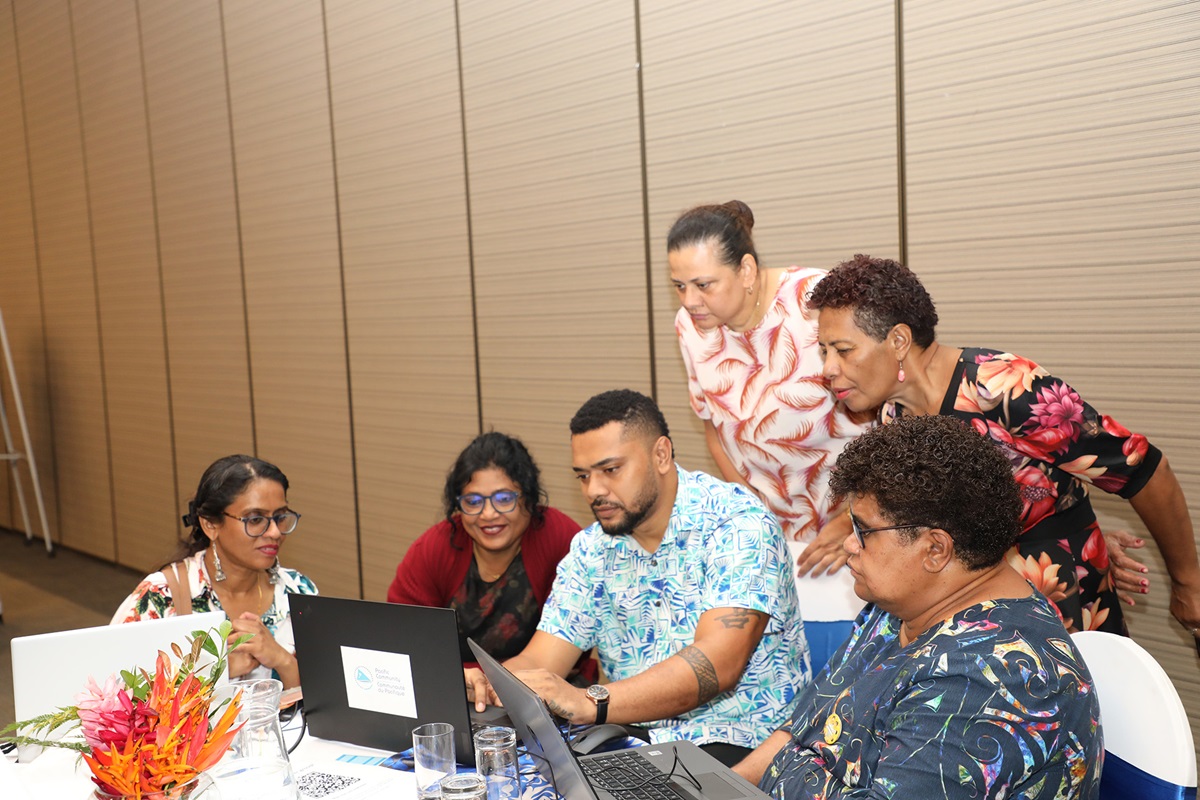
In May, the WHO organized a workshop in Fiji that brought together 30 health and communication professionals to enhance their skills in detecting, analyzing, and addressing misinformation. A similar workshop held in Tonga in August engaged professionals from various sectors to strengthen nationwide capacity.
Workshop participants learned critical skills including monitoring for online rumors, analyzing social insights, and applying fact-checking techniques. Both events produced action plans for 2025 while identifying areas requiring further attention, such as enhancing fact-checking capabilities and revitalizing national working groups.
The issue of misinformation extends beyond health concerns. In Brisbane, Australia, United Nations agencies, governmental bodies, researchers, and partners recently gathered for the first Disinfo Pacific Regional Conference on Information Integrity. Supported by the European Union and organized by the United Nations Information Centre for the Pacific and Griffith University, the two-day conference addressed misinformation in public health, climate change, democracy, and elections.
During these discussions, WHO representatives collaborated with experts and Pacific ministries of health to explore strategies for addressing false information and strengthening community trust in health authorities. Participants agreed that a well-trained workforce and cross-sector partnerships are essential for effectively combating misinformation.
“Addressing misinformation is not only a Ministry of Health affair, but it also needs a coordinated response across various sectors,” emphasized Falau Hola Mafi, Risk Communications and Community Engagement Coordinator at Tonga’s Ministry of Health.
Mafi presented Tonga’s recently launched Multi-Hazard Risk Communication and Community Engagement Strategy, the first comprehensive guide for effectively communicating risks, engaging communities, and combating misinformation during health emergencies and natural disasters in the Pacific. Developed with WHO support and informed by COVID-19 lessons, the strategy emphasizes timely, clear communication to maintain public trust and protect communities.
The strategy represents a significant step forward in the region’s approach to managing information during crises. By bringing together multiple stakeholders, including national disaster management offices and media organizations, Pacific nations are building more resilient systems to counter misinformation.
As digital connectivity continues to expand across the Pacific, the challenge of maintaining information integrity grows more complex. The WHO’s ongoing efforts to foster multisectoral collaboration support Pacific Island countries in addressing the challenges posed by fake news and information pollution.
For residents across the Pacific, access to accurate and timely information remains crucial for making informed decisions about their health and wellbeing. The region’s collaborative approach demonstrates a growing recognition that in the fight against misinformation, unity and cooperation across sectors are essential.
Fact Checker
Verify the accuracy of this article using The Disinformation Commission analysis and real-time sources.

14 Comments
Misinformation can erode trust in institutions and lead to serious public health consequences. I’m glad to see the WHO supporting capacity-building efforts in this area across the Pacific region.
Absolutely. Proactive monitoring and rapid response to emerging narratives will be crucial. This is an important step in strengthening public health resilience.
Kudos to the health officials and experts working to strengthen misinformation response capabilities across the Pacific. Navigating the digital landscape to ensure access to reliable information is no easy feat.
The consequences of health misinformation can be severe, especially in vulnerable populations. I’m glad to see the WHO supporting capacity-building efforts to empower Pacific nations in this crucial area.
Absolutely. Proactive monitoring and rapid response will be key to minimizing the impact of false claims. This collaborative approach is an important step in the right direction.
Addressing health misinformation is an ongoing challenge, especially in the digital age. The collaborative approach across Pacific nations is encouraging and hopefully serves as a model for other regions.
Combating health misinformation is critical, especially in regions like the Pacific where access to reliable information can be challenging. Kudos to the officials and experts working to provide clear, credible guidance during the pandemic.
Absolutely. Social media amplification of false claims can have severe consequences, so I’m glad to see proactive efforts to monitor and address misinformation in the region.
The needs assessment highlighting rumor and misinformation management as a top priority is an important step. Equipping health authorities with social listening capabilities will be key to staying ahead of harmful narratives.
Agreed. Keeping the public informed with reliable, up-to-date information is crucial, especially during public health crises. This collaboration across Pacific nations is an encouraging development.
Misinformation management is a growing challenge, and the Pacific region’s focus on this issue is commendable. Equipping health authorities with the right tools and strategies is critical for ensuring access to reliable information.
Interesting to see how the pandemic forced a shift in health communication strategies in the Pacific. Leveraging digital tools to combat misinformation is a smart move, but it will require sustained effort and coordination.
Clear, frequent, and credible information is key to combating misinformation. The Fiji Ministry of Health’s efforts to adapt their communication strategy during the pandemic are commendable.
Yes, building trust in legitimate health authorities is critical. Leveraging social listening to stay ahead of harmful narratives is a smart move that other regions could learn from.