


Listen to the article
Meta’s Fact-Checking Retreat Raises Climate Misinformation Concerns
Meta’s decision to end its fact-checking program in the United States by March 2025 has sparked concerns about the potential proliferation of climate misinformation on Facebook and Instagram. The change could significantly impact how false climate claims spread during extreme weather events and natural disasters.
Currently, Meta employs third-party fact-checkers to flag false and misleading posts, after which the company may attach warning labels and reduce algorithmic promotion of such content. The system prioritizes addressing viral misinformation, hoaxes, and demonstrably false claims, while excluding opinion content that doesn’t contain factual errors.
Climate communication experts warn that without these guardrails, misleading climate information could spread more rapidly. “Climate misinformation is particularly sticky,” notes Jill Hopke, a climate change communication researcher at DePaul University. “It is especially hard to dislodge falsehoods from people’s minds once they encounter them repeatedly.”
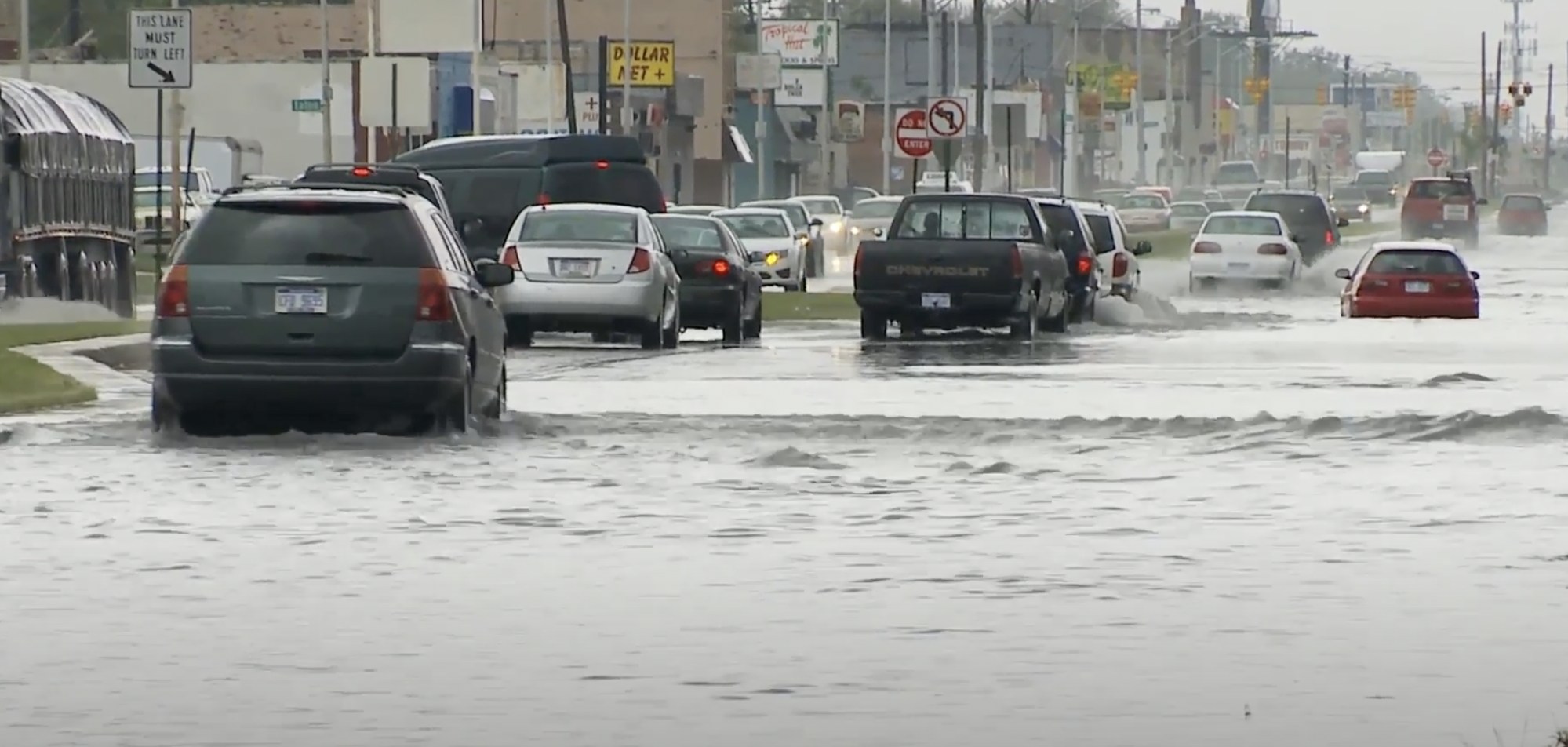
The timing of this policy shift is concerning as extreme weather events linked to climate change become increasingly common. Heat waves, flooding, and wildfires are growing more catastrophic as global temperatures rise, and these disasters typically trigger spikes in social media attention to climate issues.
During such crises, accurate information becomes crucial for public safety. When Hurricane Helene and Hurricane Milton struck last year, social media platforms were flooded with fake AI-generated images that went viral, including fabricated photos of disaster victims. The Federal Emergency Management Agency reported that the spread of rumors and misinformation actively hindered disaster response efforts.
The problem extends beyond accidental misinformation to coordinated disinformation campaigns. Following the 2023 Hawaii wildfires, researchers documented an organized propaganda campaign by Chinese operatives targeting U.S. social media users with false narratives about the disaster.
Meta CEO Mark Zuckerberg has cited X’s (formerly Twitter) Community Notes system as inspiration for his company’s planned content moderation changes. However, recent research shows that crowd-sourced fact-checking systems respond too slowly to effectively counter viral misinformation during its critical early spread.
While the changes will affect U.S. users, Meta’s fact-checking protocols will remain in place for international users, largely due to stricter regulations on misinformation in regions like the European Union.
“With the coming changes, you will be the fact-checker on Facebook and other Meta apps,” Hopke explains. She recommends that users combat climate misinformation by leading with accurate information, briefly acknowledging false claims, explaining their inaccuracy, and reinforcing the truth.
Surveys indicate that most Americans actually favor restrictions on false information online. A Pew Research Center study found broad public support for social media companies to moderate dangerous or false content. Despite this, major tech platforms appear to be shifting responsibility for fact-checking to users themselves.
Climate experts advocate for “inoculation” approaches to prepare people against misinformation before encountering it. Research shows that explaining the scientific consensus that climate change is human-caused helps reduce the influence of contrary false claims.
As extreme weather events intensify due to climate change, the stakes of accurate information become increasingly vital. During the recent Los Angeles fires, an erroneous evacuation alert sent to 10 million people demonstrated how challenging crisis communication already is, even without the added complexity of unchecked misinformation.
“Crowd-sourced debunking is no match for organized disinformation campaigns in the midst of information vacuums during a crisis,” Hopke warns, suggesting that conditions for the rapid spread of misleading content could worsen substantially under Meta’s new approach.
Fact Checker
Verify the accuracy of this article using The Disinformation Commission analysis and real-time sources.
