


Listen to the article
Bulgaria’s Institutional Dysfunction Fuels Disinformation Crisis, Experts Warn
Bulgaria’s struggle with disinformation reveals a deeper problem than simple fact-checking failures, according to media experts. The country’s crisis stems from dysfunctional institutions and performative governance that create an environment where misinformation thrives amid a leadership vacuum.
The European Commission recognized Bulgaria’s lagging reforms in May, issuing a formal warning for the country’s non-compliance with the Digital Services Act (DSA). This regulatory framework, designed to create a safer digital space across the EU, requires member states to implement specific oversight mechanisms for online platforms.
Despite the warning, experts point to a critical gap in the EU’s approach: the lack of sustained accountability measures when member states breach regulations like the DSA or the European Media Freedom Act (EMFA). This absence of enforcement mechanisms is particularly problematic in countries like Bulgaria and Romania, where institutional weaknesses create vulnerabilities that threaten the EU’s broader information ecosystem.
“When institutions are visibly dysfunctional, paralyzed and purely performative, disinformation finds fertile ground,” said Alexandra Karppi, research manager at the Balkan Free Media Initiative, who has studied the region’s media landscape extensively.
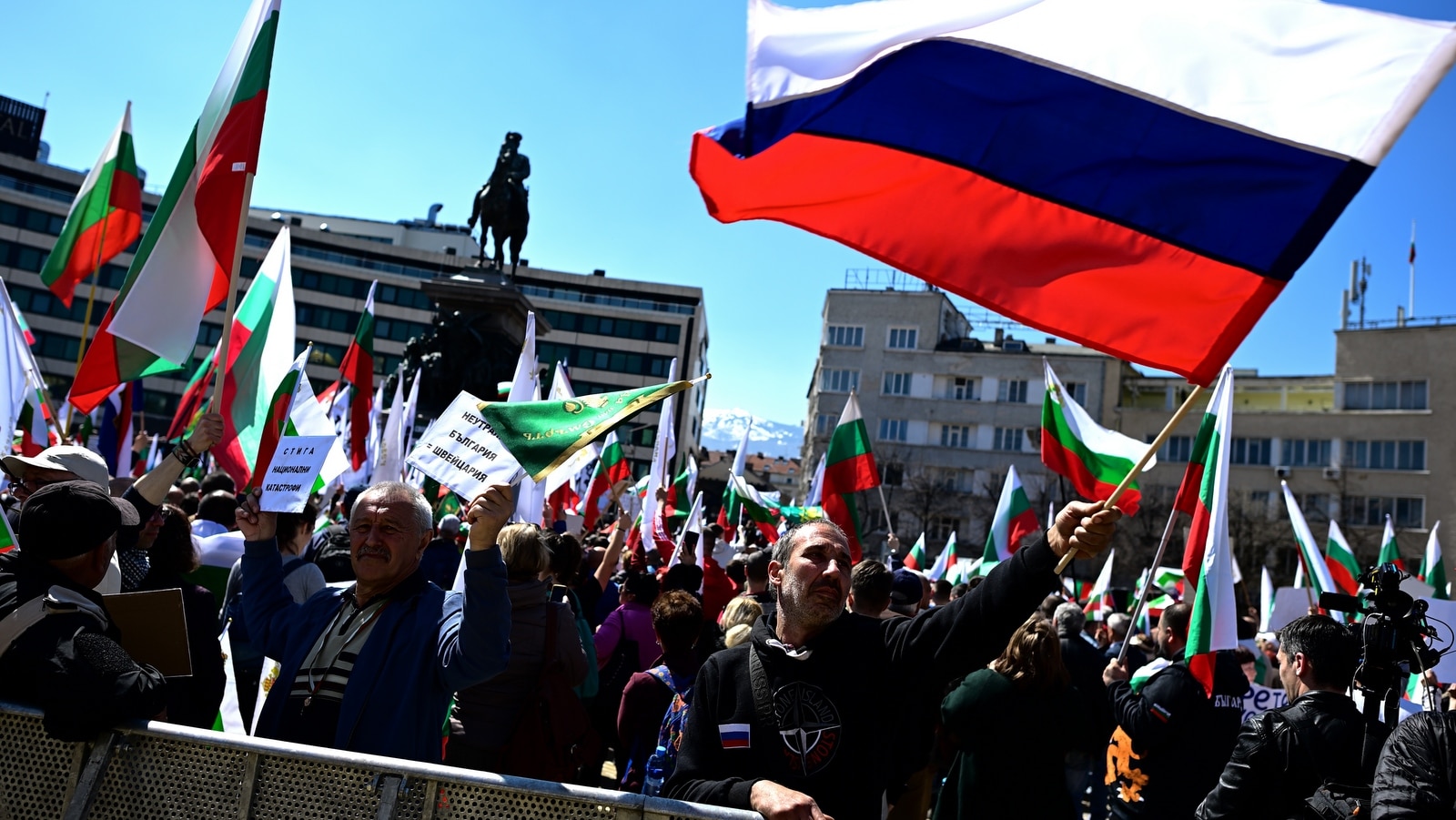
Bulgaria’s case demonstrates how broken appointment processes and stalled reforms signal to citizens that governance is ineffective, creating a vacuum that misinformation operators eagerly exploit. The country has become what some analysts describe as a “backdoor” for Kremlin-aligned narratives entering the European Union’s media space.
The EMFA, a relatively new legislative framework, shows promise in addressing these challenges if properly implemented. The regulation aims to protect media independence, establish funding transparency, and promote sustainable business models for news organizations. However, its effectiveness depends entirely on rigorous implementation and enforcement at the national level.
Experts suggest the EU should approach Bulgaria not merely as a vulnerability but as an instructive case study for building information resilience in candidate countries with similar structural issues. Montenegro, currently considered the frontrunner for EU accession among Western Balkan nations, recently emerged from political paralysis that nearly derailed its membership bid. The crisis was resolved through what observers characterize as “half-baked” media and justice reforms.
“What we’re seeing in Bulgaria could easily be replicated in accession countries if the focus remains solely on passing legislation rather than ensuring its proper implementation,” noted Vanesa Valcheva, operations coordinator at the Balkan Free Media Initiative and an Oxford University researcher.
Media freedom advocates argue that the EU cannot view the passage of legislation like the EMFA as the end goal. Rather, what’s needed is sustained political commitment to enforce existing rules, particularly in countries where institutional credibility is already compromised.
The real test for Europe’s information resilience strategy will be whether regulatory frameworks like the EMFA can strengthen institutional credibility in the regions where it’s most under threat. This challenge becomes increasingly urgent as disinformation campaigns grow more sophisticated and targeted.
Bulgaria’s experience offers an important lesson for EU policymakers: legal frameworks alone cannot address disinformation if the underlying governance structures lack public trust and operational effectiveness. Building local implementation capacity while maintaining accountability to core democratic principles must become central to the EU’s strategy for combating disinformation across the bloc.
As the European Union continues to refine its approach to media freedom and information integrity, Bulgaria’s ongoing challenges serve as both a warning and an opportunity to develop more effective mechanisms for ensuring democratic resilience across the continent.
Fact Checker
Verify the accuracy of this article using The Disinformation Commission analysis and real-time sources.

9 Comments
The lack of enforcement measures is problematic. The EU should consider tougher sanctions for non-compliant member states to incentivize reforms and protect the integrity of the digital space.
Absolutely. Without consequences, some countries may have little motivation to uphold important regulations like the DSA and EMFA.
This is a concerning issue for the EU. Disinformation can spread rapidly across borders and undermine democratic institutions. Stronger accountability mechanisms may be needed to ensure member states comply with regulations like the DSA and EMFA.
The EU’s warning to Bulgaria highlights the need for greater vigilance. Disinformation can undermine public trust and exacerbate political divisions. Strengthening democratic institutions should be a priority.
Agreed. Restoring faith in governance is crucial to combat the spread of misinformation and protect the integrity of the EU’s information landscape.
This is a complex challenge that goes beyond Bulgaria. The spread of disinformation is a threat to the entire EU. A coordinated, region-wide approach may be necessary to address these systemic vulnerabilities.
This is a worrying trend that deserves close attention. Disinformation can have far-reaching consequences, both domestically and across borders. The EU must act decisively to address these challenges.
Institutional dysfunction seems to be the root cause here. Without effective governance and oversight, misinformation can thrive. The EU will need to address these systemic weaknesses to create a more resilient information ecosystem.
Agreed. Sustainable solutions require addressing the underlying governance issues, not just fact-checking failures.