


Listen to the article
The Digital Age Debate: Social Media’s Impact on Truth and Democracy
In an era dominated by digital communication, the role of social media in shaping public discourse continues to spark intense debate among experts, politicians, and everyday citizens. While traditional media once held a near-monopoly on information distribution, the democratization of voices through social platforms has fundamentally altered how Americans consume and interpret information.
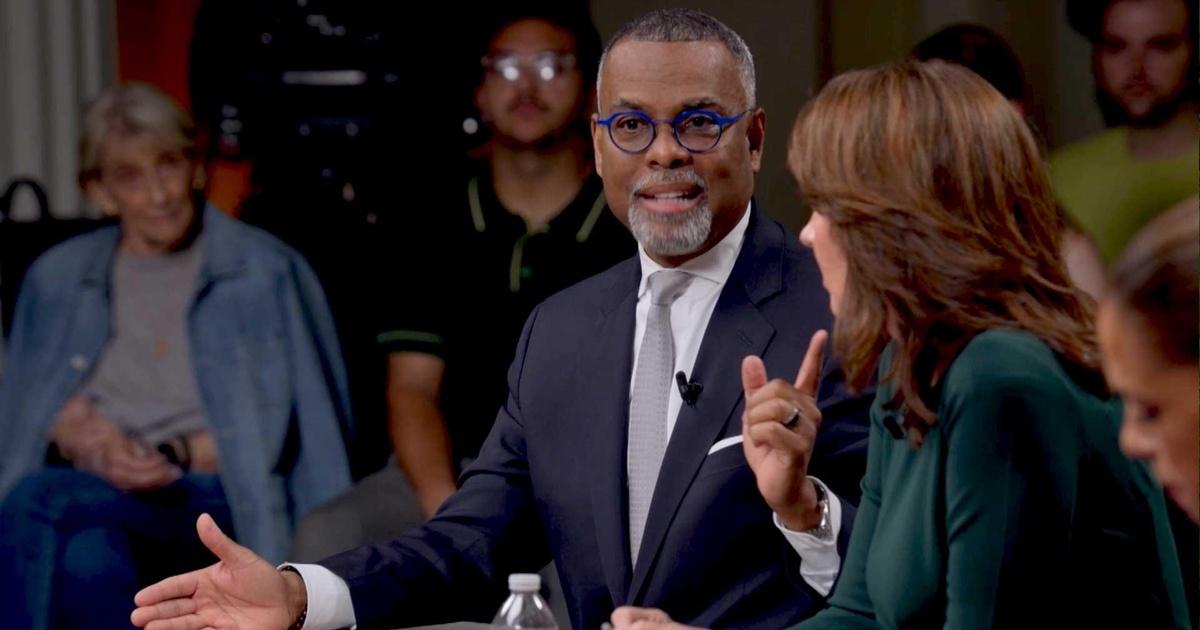
Supporters of social media point to its ability to challenge established narratives. “The dinosaur media has been able to push a lot of lies on us, and social media, because of the competition, it’s infinite voices,” one observer noted during a recent panel discussion. “That’s why I think we are getting a lot more truth today.”
This perspective highlights a fundamental shift in information flow. Where traditional media outlets once served as gatekeepers, social platforms have created spaces for previously marginalized voices and alternative viewpoints to reach broad audiences.
However, critics distinguish between social media’s potential benefits and the concerning behaviors it can facilitate. “It’s not anti-social media. It’s anti an angry mob,” explained one participant. “Social media is incredible that it democratizes this and that so many people can have a voice, but moving in an angry mob that’s nameless and faceless is something very different.”
The anonymity offered by many platforms creates environments where accountability can be difficult to enforce. As one panelist questioned: “Do we know what their names are, their faces are, what their standards are?” This lack of transparency can undermine meaningful discourse.
The speed at which information—both accurate and inaccurate—spreads presents another challenge. Referencing Benjamin Franklin’s famous quote about lies traveling faster than truth, a commentator noted this dynamic has only accelerated: “That’s particularly true in the digital age. It goes faster, but in the end, the truth comes out and people are held accountable.”
Yet this optimistic view may underestimate the sophistication of modern information ecosystems. As another expert cautioned: “Human cognition is not tuned to the power of the social media algorithm that controls so much more of our lives than it ever has.” These algorithmic systems, designed to maximize engagement rather than promote accuracy, can amplify divisive content and reinforce existing beliefs.
At the heart of these debates lies a more fundamental concern about shared reality. “The truth is the truth. It doesn’t change,” one participant insisted. “The problem we have in America right now is we have a segment of society that has wiped that out. There is no truth.”
This erosion of consensus on basic facts threatens democratic functioning. Without agreement on foundational truths that Americans “have agreed on for 249 years,” the speaker questioned how society can “move forward together.”
The discussion reflected growing concerns about polarization in American society. Rather than dismissing opposing viewpoints, participants advocated for greater empathy. “We can’t look to our opponents and think, how could they think that they’re Neanderthals,” one noted. “We would all do a little bit good to reach over and actually try to understand where they’re coming from.”
The consequences of failing to bridge these divides could be profound. As one speaker warned: “If we can’t engage in that deliberation that is at the heart of self-governance… democracy can’t work.” The speaker emphasized that as long as Americans view each other as enemies rather than “fellows trying to live a life together,” the nation cannot fulfill its potential.
The conversation underscores how social media has become both a symptom and driver of broader societal challenges. While these platforms offer unprecedented opportunities for connection and information sharing, they also reflect and sometimes magnify existing tensions in American democracy.
As citizens navigate this complex landscape, the ability to distinguish truth from falsehood, engage respectfully across differences, and maintain shared democratic values may determine whether digital communication ultimately strengthens or undermines the nation’s social fabric.
Fact Checker
Verify the accuracy of this article using The Disinformation Commission analysis and real-time sources.

14 Comments
This is an important discussion for the energy and mining sectors. Social media can be a powerful tool for raising awareness and sharing information, but the risk of misinformation is high. Striking the right balance will be critical.
As someone with an interest in mining and commodities, I’m curious to see how this debate evolves. Social media could be a double-edged sword – amplifying important industry news, but also potentially fueling false narratives. Moderation and transparency will be crucial.
You raise some interesting points about how social media has democratized information flow. I can see the potential benefits, but also the risks of unchecked and unverified content spreading rapidly. Finding the right balance will be an ongoing challenge.
I agree, the spread of misinformation on social media is a real concern that needs to be addressed. Promoting media literacy and robust fact-checking will be key.
This is a thought-provoking topic. Social media’s impact on truth and democracy is certainly complex, with valid arguments on both sides. It’s crucial to find ways to balance free speech with combating misinformation.
This is a thought-provoking discussion with important implications for the mining, energy, and commodities sectors. The role of social media in shaping public discourse is complex, and finding the right balance between free speech and truth will be an ongoing challenge.
This is a complex and nuanced issue, with valid arguments on both sides. I’m curious to see how the role of social media in shaping public discourse continues to evolve, particularly in industries like mining and energy.
Agreed, it’s a delicate balance. Promoting media literacy and responsible social media use will be crucial to ensuring the benefits of open dialogue while mitigating the risks of misinformation.
You raise some excellent points about the potential upsides and downsides of social media when it comes to truth and democracy. As someone with a keen interest in the mining and commodities industries, I’m closely following this debate and looking forward to seeing what solutions emerge.
I agree, this is a critical issue that will continue to evolve. Promoting media literacy and responsible social media use will be key to ensuring the benefits of open dialogue while mitigating the risks of misinformation.
As a follower of the mining and commodities sector, I’m interested to see how this debate plays out. Social media has undoubtedly democratized information flow, but the challenge of combating misinformation remains significant. Thoughtful solutions will be needed.
As someone with a background in mining and commodities, I’m closely following this debate. Social media has undoubtedly disrupted traditional information flows, but managing the spread of misinformation remains a significant challenge. Thoughtful approaches will be needed.
This is a fascinating and complex issue. The role of social media in shaping public discourse around topics like mining and energy is an important one that deserves careful consideration. Balancing free speech with truth and accountability will be crucial.
You raise some valid points about the potential upsides and downsides of social media when it comes to truth and democracy. I’m interested to see what solutions emerge to address the challenges, while preserving the benefits of open dialogue.